
Arboriculture is one of the most safety-conscious industries in the UK. Whether carrying out tree surgery, vegetation management, or aerial operations, arborists regularly work in environments where preparation, training, and safe working practices are essential. This is why first aid training for arborists plays such an important role in maintaining safety standards across the industry.
While risk assessments, specialist equipment, and experienced teams help minimise hazards, the reality is that tree work can present unpredictable situations. Having trained first aiders on site ensures that if an incident does occur, the team is prepared to respond quickly and effectively.
Working Safely in Arboriculture
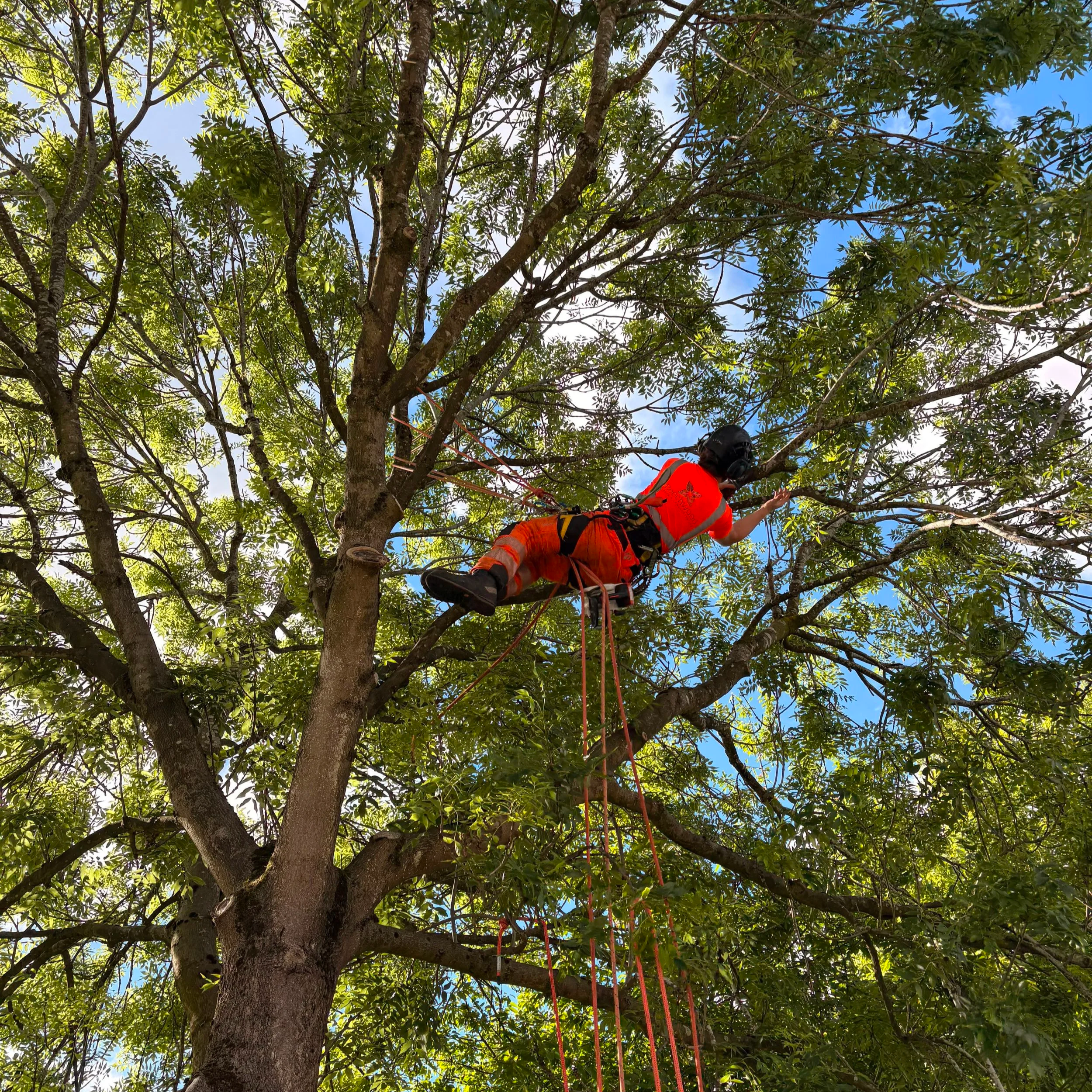
Arborists often work at height, operate chainsaws and machinery, manage roadside projects, and carry out work in remote locations. These environments require careful planning and a strong focus on health and safety.
Even with robust procedures in place, accidents can happen. When they do, the actions taken in the first few minutes can make a significant difference.
First aid training provides arborists with the knowledge and confidence needed to assess situations, provide immediate assistance, and support an injured person until professional medical help arrives.
Why First Aid Training for Arborists Is Essential
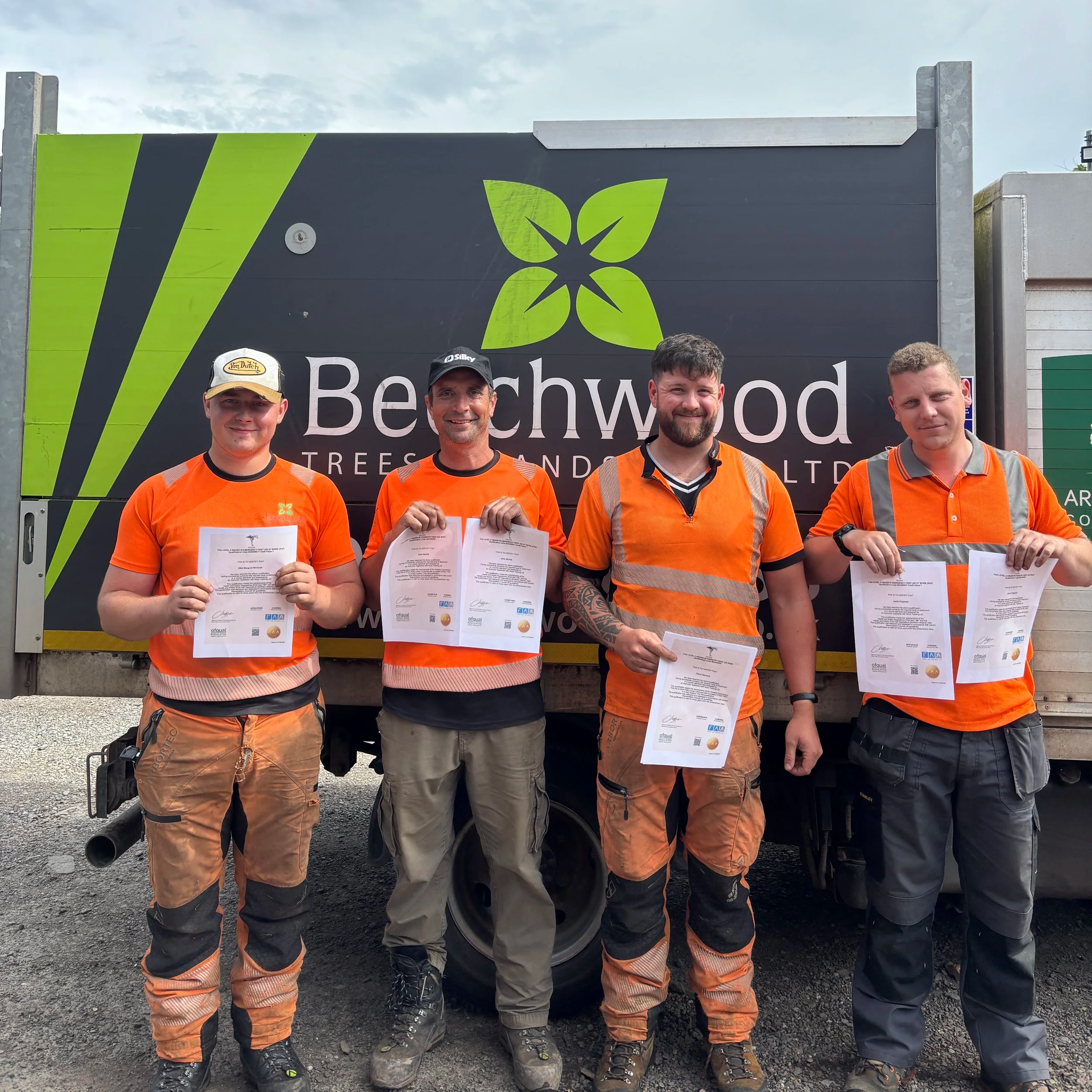
First aid training is about far more than meeting industry requirements. It helps create a workforce that is prepared, confident, and capable of responding in emergency situations.
Training enables team members to:
Assess incidents quickly and safely
Provide immediate care for injuries
Manage emergency situations calmly
Support colleagues until emergency services arrive
Reduce the severity of injuries through early intervention
For arborists working in challenging environments, these skills can be invaluable.
Supporting a Positive Safety Culture
Health and safety in tree work extends beyond policies and procedures. It relies on every member of the team understanding their responsibilities and being committed to maintaining safe working practices.
Investing in arborist first aid training demonstrates a commitment to employee wellbeing and helps strengthen a positive safety culture across an organisation.
When training becomes part of everyday operations, safety becomes a shared responsibility rather than simply a compliance requirement.
Emergency Response in Arboriculture
One of the unique challenges within arboriculture is the nature of the environments where work takes place.
Tree surgery projects may be carried out in parks, schools, highways, commercial sites, private gardens, or remote woodland locations. Access to emergency services can vary significantly depending on the location.
This makes emergency response planning in arboriculture particularly important.
Having trained first aiders on site helps ensure that immediate assistance can be provided while emergency services are contacted and directed to the location.
Combining First Aid with Other Safety Training
First aid training forms one part of a wider approach to arboriculture safety.
Many organisations also invest in:
Aerial rescue training
Chainsaw safety training
Traffic management training
Manual handling training
Emergency planning exercises
Together, these measures help create safer working environments and improve preparedness across the team.
By combining technical skills with emergency response knowledge, arborists are better equipped to manage risks effectively.
Protecting Colleagues and the Public
Tree work is often carried out in locations used by members of the public. Whether working alongside roads, footpaths, schools, or commercial premises, arborists have a responsibility to maintain safe environments for everyone around them.
While the primary focus is always the safety of the workforce, having trained first aiders on site provides additional reassurance that assistance can be provided if required.
Professional arboriculture is about planning for every eventuality, including those that are unlikely to occur.
Training with Industry Specialists
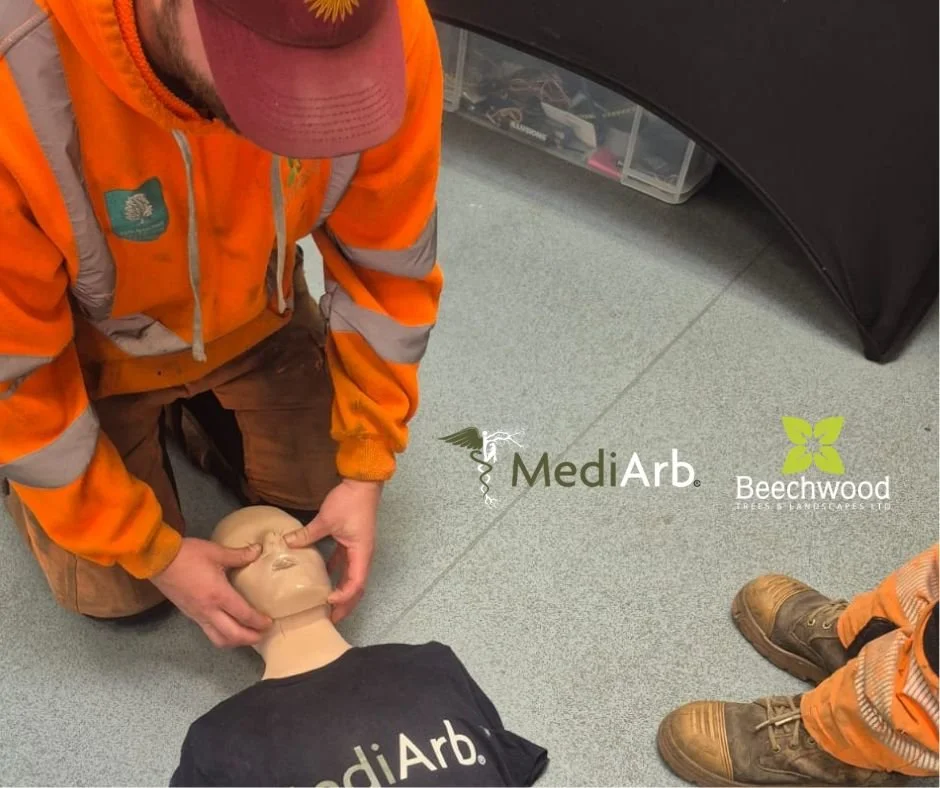
At Beechwood Trees and Landscapes, we believe first aid training is most effective when it's delivered by people who understand the realities of arboriculture.
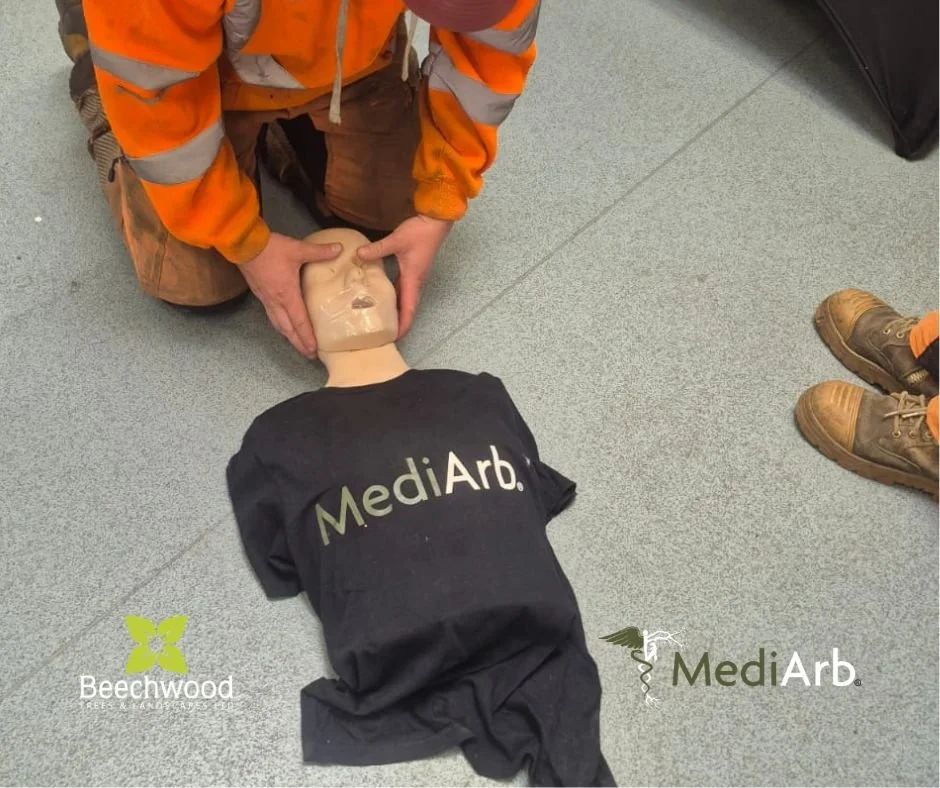
That's why we work with MediArb, a specialist training provider that delivers first aid training tailored to the arboricultural industry. Their courses are designed around the types of situations arborists may encounter on-site, helping to ensure our teams receive practical, relevant training that reflects the environments they work in every day.
By investing in industry-specific training through experienced providers such as Medi Arb, we can help ensure our teams are prepared to respond effectively in emergencies while maintaining the high safety standards our clients expect.
First Aid Training at Beechwood Trees and Landscapes
At Beechwood Trees and Landscapes, health and safety are central to everything we do.
We regularly invest in first aid training, aerial rescue training, and ongoing professional development to ensure our teams have the skills and knowledge needed to work safely and respond effectively should an emergency arise.
Continuous training helps us maintain high standards across our operations while supporting the well-being of our employees, clients, and members of the public.
Being Prepared Matters
The goal of every project is for everyone to return home safely at the end of the day.
While nobody wants to face an emergency situation, being prepared is a fundamental part of working in arboriculture. First aid training for arborists helps create confident teams, strengthens safety culture, and ensures that the right actions can be taken when they matter most.
By investing in training and prioritising health and safety in tree work, organisations can continue delivering professional services while protecting the people who make them possible.
