
Why Aerial Rescue Training Saves Lives
In arboriculture, safety doesn't stop once a risk assessment has been completed or the climbing equipment has been checked.
Working at height comes with inherent risks, which is why preparation and ongoing training are so important.
At Beechwood Trees and Landscapes, our commitment to safety includes regular practical training sessions led by our Technical Adviser, who works closely with our teams on site to develop and maintain essential skills, including aerial rescue.
Why Aerial Rescue Matters
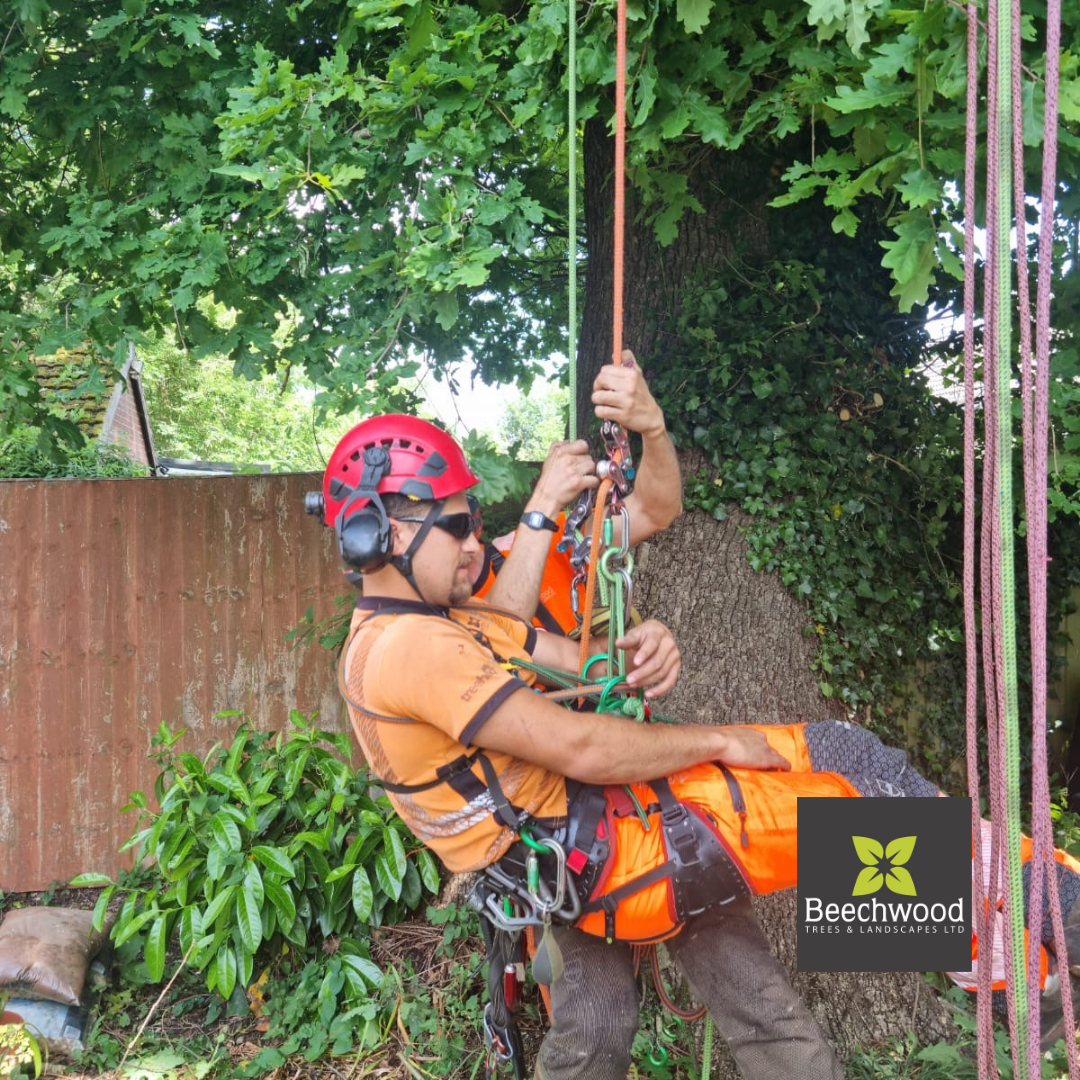
Corey
An aerial rescue is the process of safely recovering a climber from a tree if they become injured, incapacitated, or unable to descend independently.
While everyone hopes these situations never occur, arborists must be prepared to respond quickly and effectively if they do.
In an emergency, every minute matters. The ability to reach a casualty, assess the situation, and safely bring them to the ground can have a significant impact on the outcome.
That's why aerial rescue is a core skill for professional climbing teams.
Training In Real Working Environments
Rather than only learning rescue techniques in a classroom setting, our teams regularly take part in practical training exercises in real-world environments.
Our Technical Adviser visits operational teams on site, providing guidance, support, and opportunities to practise a variety of rescue scenarios.
These sessions help climbers build confidence and ensure rescue procedures remain fresh in their minds.
Training may include:
Accessing an injured climber
Emergency descent techniques
Casualty handling
Rescue equipment use
Communication during emergency situations
Site-specific rescue planning
By practising regularly, teams become more familiar with the actions required during a real emergency.
Building Confidence Through Practice
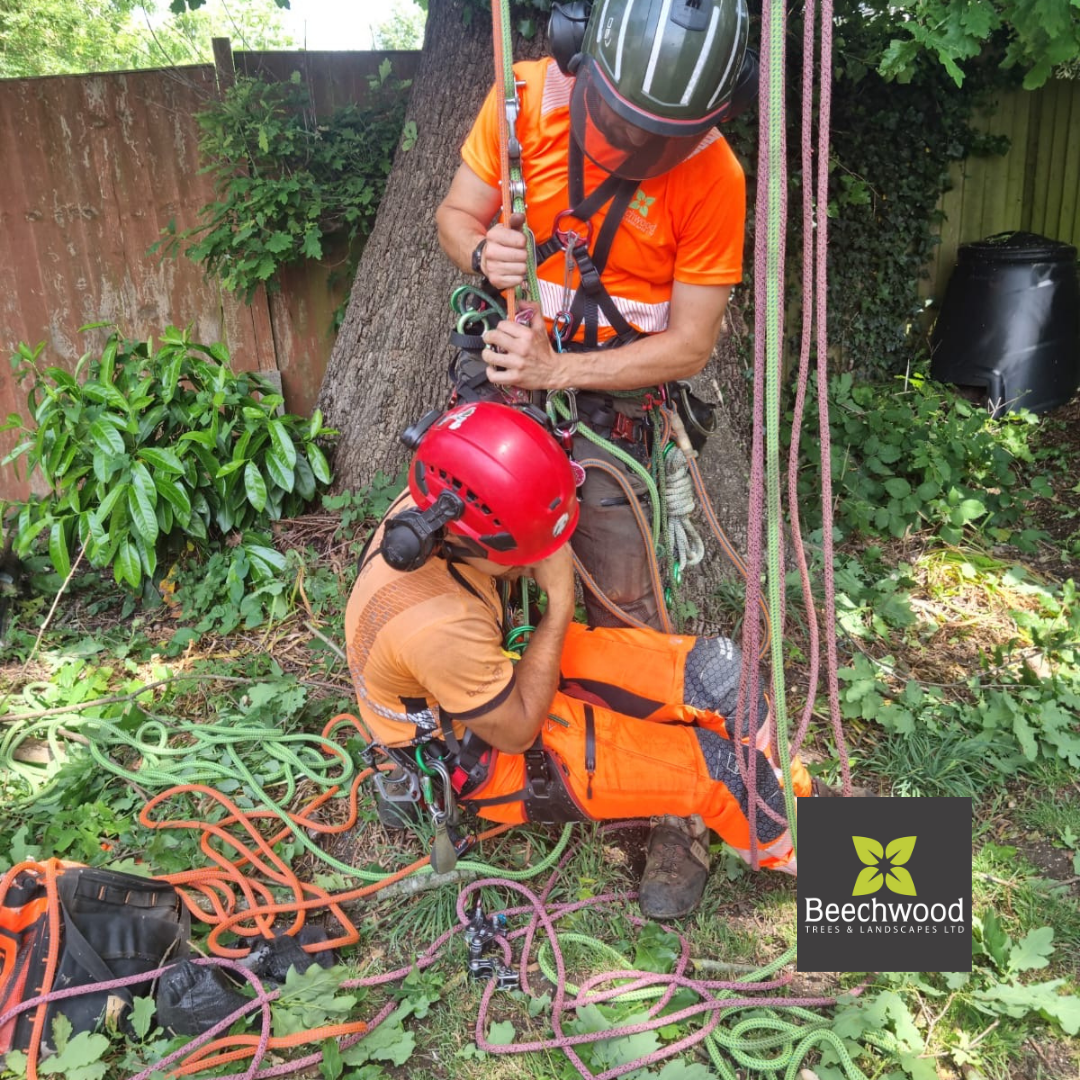
Like any skill, aerial rescue requires regular practice.
The more frequently teams train, the more instinctive their response becomes when faced with a challenging situation.
Regular exercises also allow our teams to:
Refine rescue techniques
Improve teamwork and communication
Identify potential issues before they arise
Stay up to date with industry best practice
Most importantly, training helps ensure everyone understands their role should an emergency occur.
Safety Is A Continuous Process
At Beechwood, training isn't viewed as a one-off exercise.
Continuous professional development plays an important role in maintaining high standards across our operations, whether that's climbing techniques, machinery operation, first aid, or aerial rescue.
By investing in ongoing training, we're investing in the safety of our workforce and the quality of the service we provide.
Preparing For The Worst While Hoping For The Best
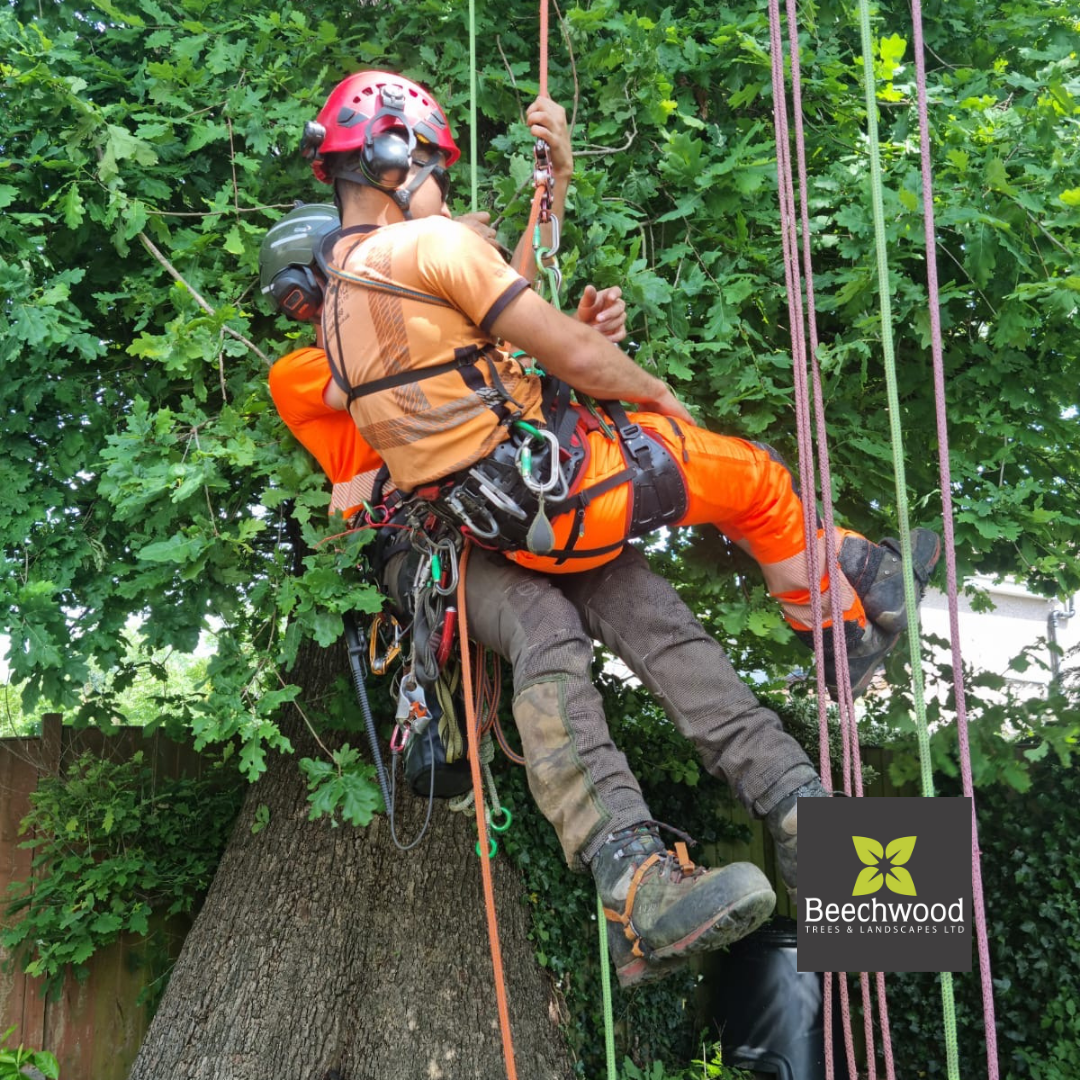
No arborist wants to perform a real aerial rescue.
However, being prepared for that possibility is an important part of working safely at height.
Through regular site visits and practical training exercises, our Technical Adviser helps ensure our teams have the skills, confidence, and experience needed to respond effectively if they're ever called upon.
Because when it comes to safety, preparation can make all the difference.
Final Thoughts
Aerial rescue training is about more than meeting industry requirements.
It's about protecting colleagues, developing confidence, and ensuring our teams are prepared for the unexpected.
By regularly practising rescue scenarios and investing in ongoing training, Beechwood continues to prioritise the safety of its people and the standards of its work.
