
🌳 The Life of a Tree
Understanding the Journey from Seedling to Ancient Giant
Trees are among the longest living organisms on Earth, quietly shaping landscapes, supporting wildlife, and enriching our environment for generations. But every towering oak, graceful birch, or sturdy pine begins its life as a tiny seed. Understanding the life cycle of a tree helps us appreciate the incredible resilience and importance of these natural giants.
🌱 1. Seed Stage
Every tree starts with a seed or seedling. Inside each seed lies a complete blueprint for a mature tree, along with stored nutrients to kickstart its growth. When the conditions are right, (moisture, temperature, and soil) the seed germinates and sends out its first root, anchoring itself into the ground.
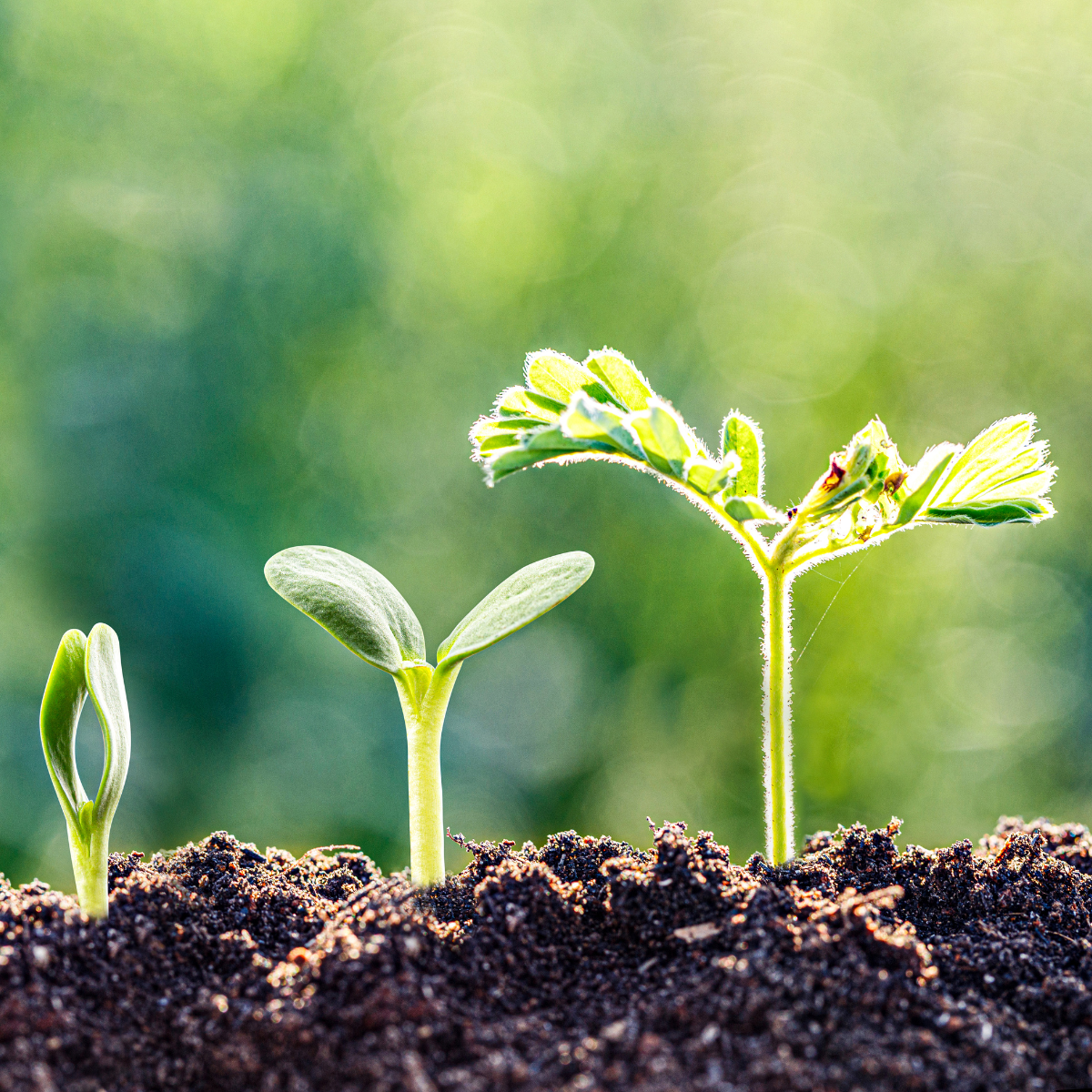
Seeds beginning to sprout
🌿 2. Seedling Stage
As the seedling pushes through the soil, it develops its first leaves and starts to photosynthesise. At this stage, the young tree is delicate and vulnerable to damage from things like the weather, pests, or competition from other plants.
The seedling learns to survive and adapt.
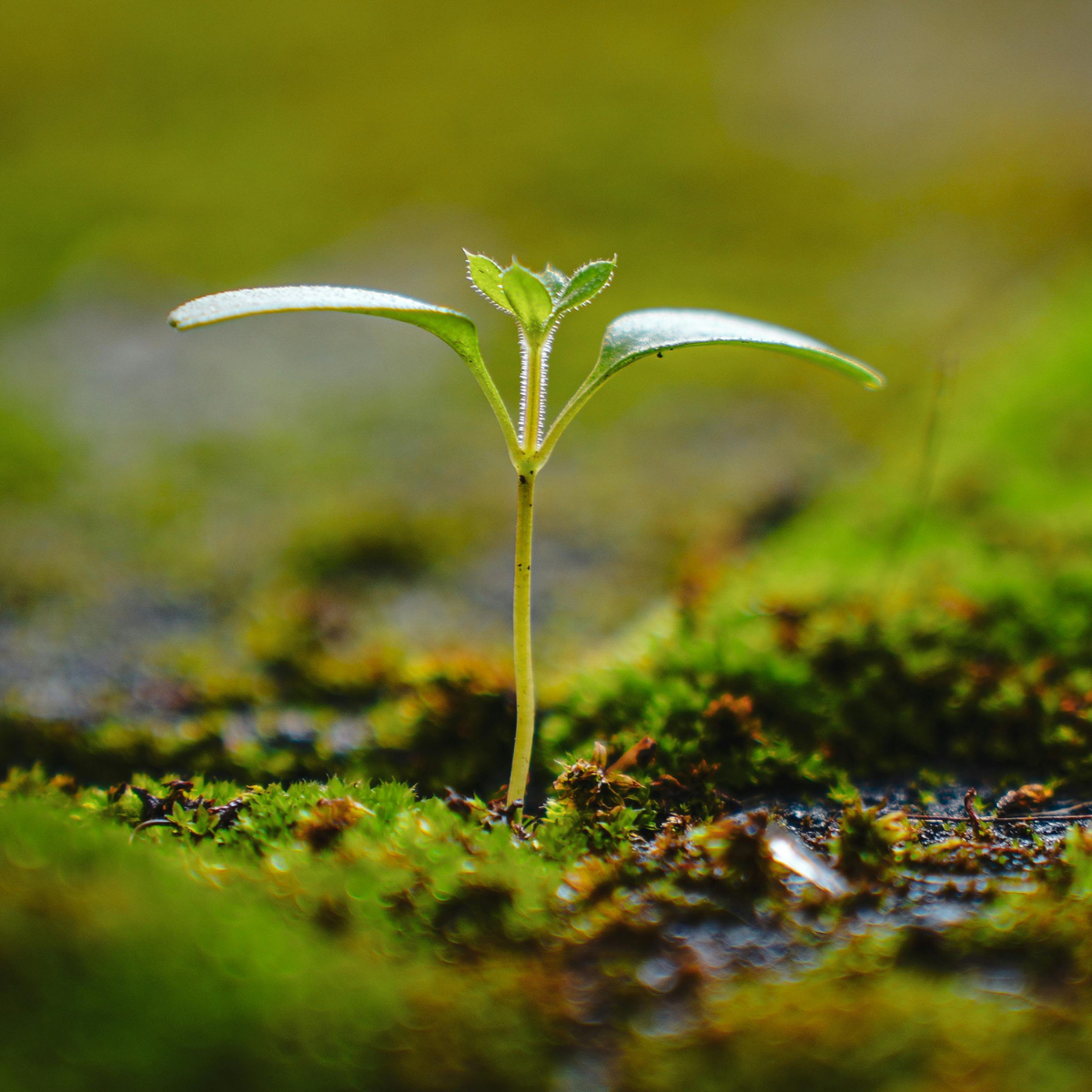
Young tree seedling beginning to establish its roots and growth.
🌳 3. Sapling Stage
Between around 1 to 10 years old (depending on species), the tree enters the sapling phase. It grows taller, develops a stronger trunk, and forms more branches. Saplings often need a good amount of space and sunlight to thrive.
This is the “teenage” phase of a tree, full of growth.
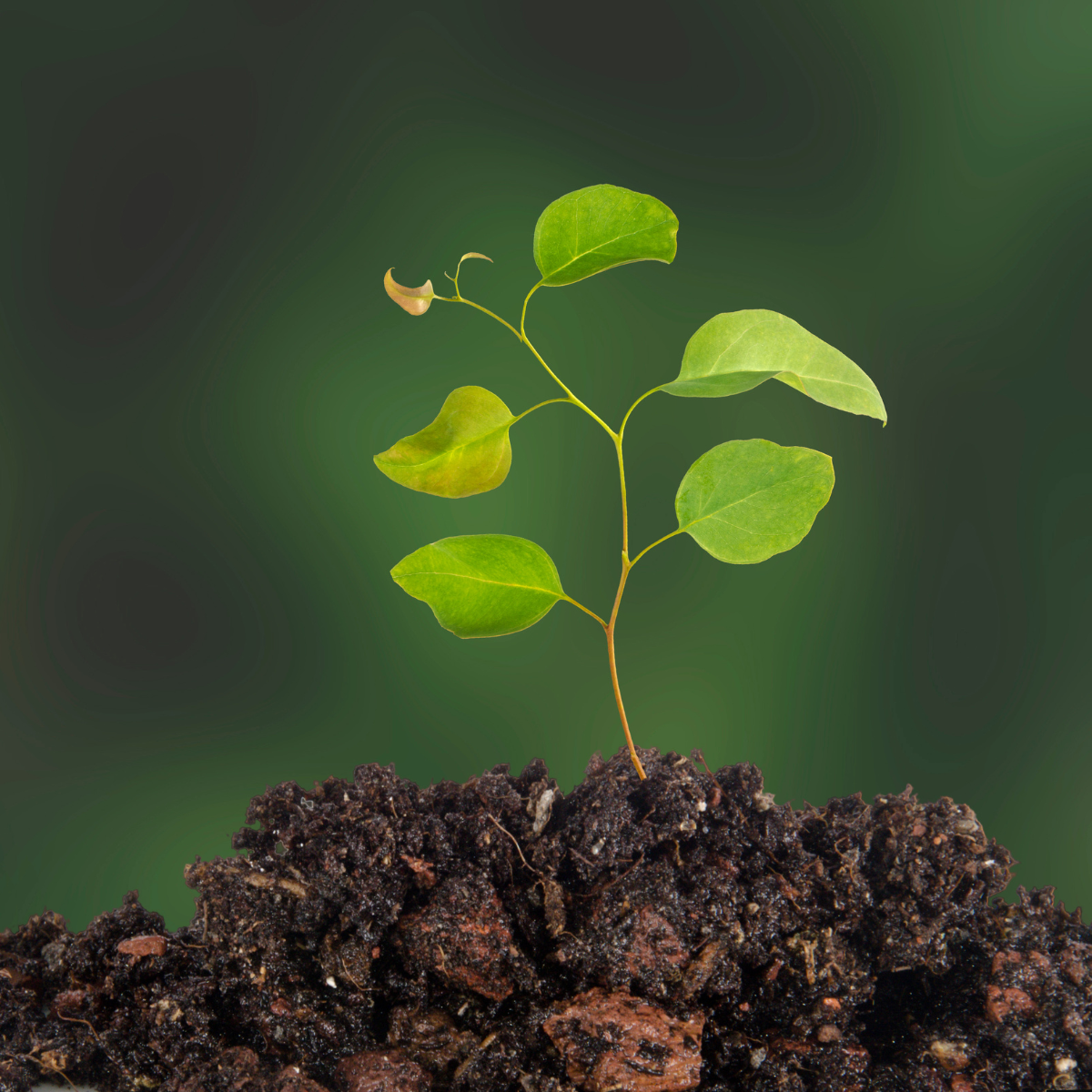
Tree sapling, a young and tender tree just beginning its growth journey.
🌲 4. Mature Tree
The tree reaches maturity once it can reproduce, which may take anywhere from 10 to 50 years and beyond.
Mature trees:
Produce seeds
Provide habitats for wildlife
Store large amounts of carbon
Offer shade, beauty, and structure in landscapes
This is when a tree is at its strongest and most valuable for the ecosystem.
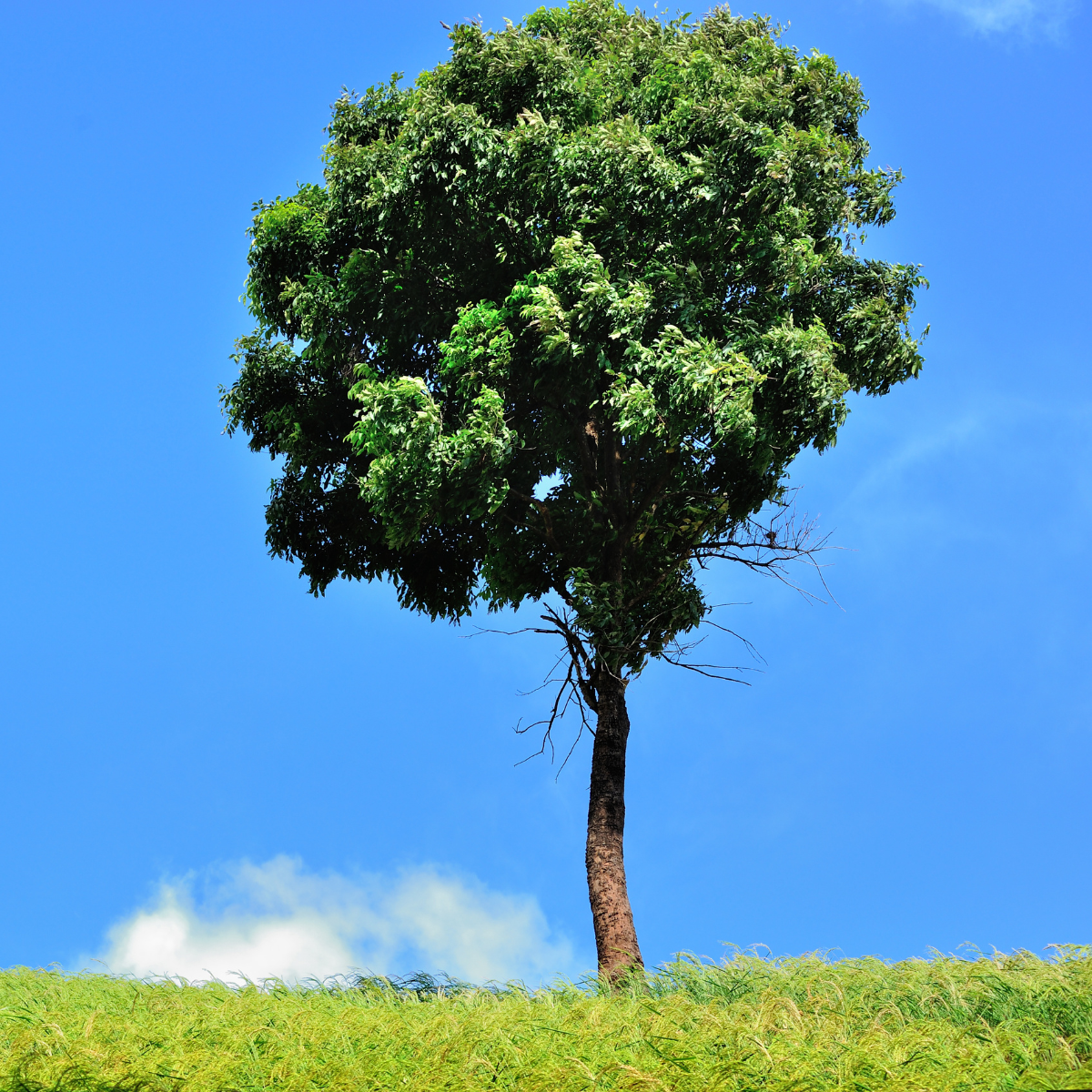
A mature tree, standing tall on a clear day
🌳 5. Old Age
Over time, trees naturally slow their growth. Hollow trunks, deadwood, and reduced foliage may appear, but this is a normal part of ageing. Older trees remain incredibly valuable, supporting fungi, insects, birds, mammals, and biodiversity.
Ancient trees often become entire ecosystems of their own.
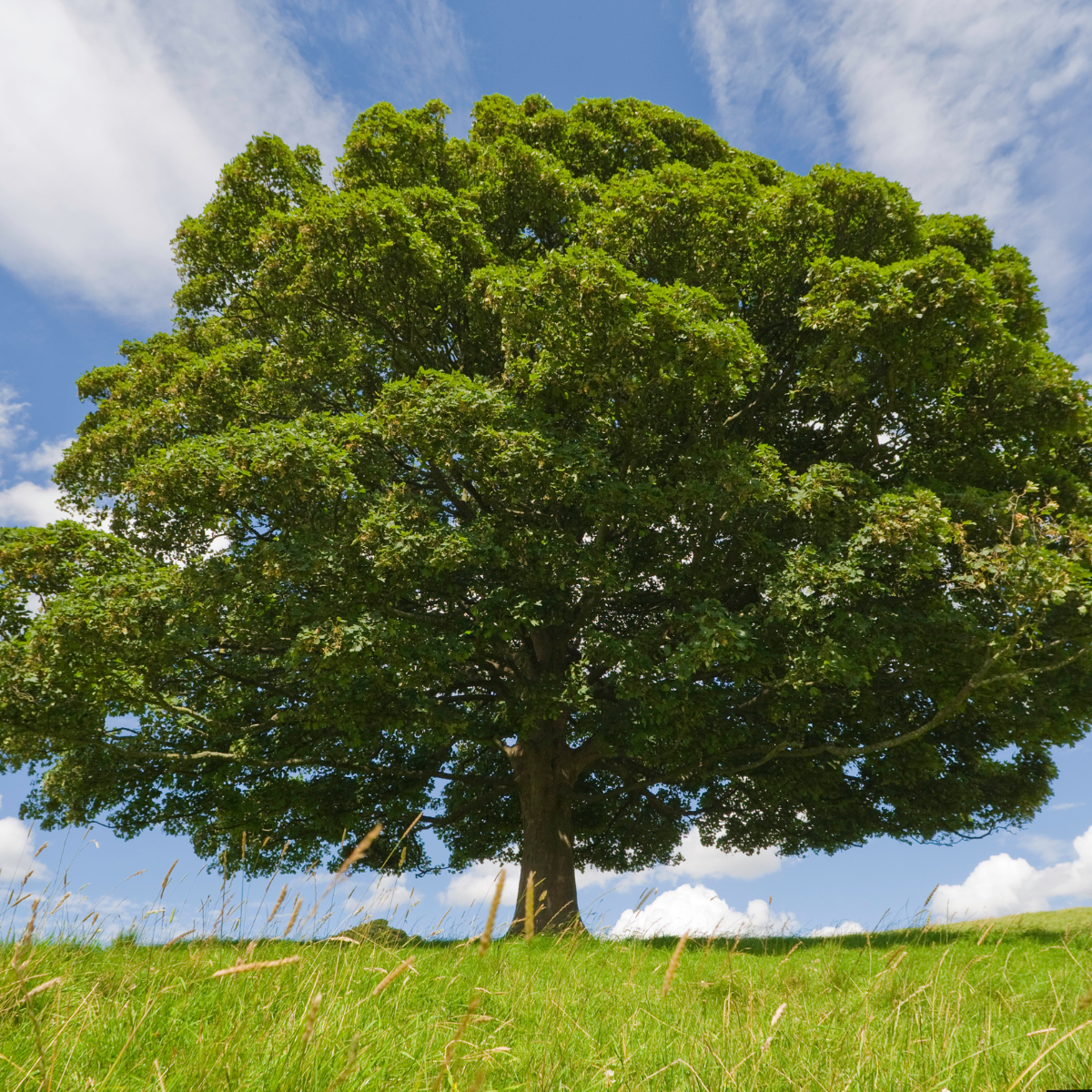
Mature, old healthy tree with strong roots and vibrant foliage
🍂 6. Decline & Decomposition
Eventually, disease, storms, pests, or natural ageing may cause the tree to decline. Deadwood forms, branches fall, and eventually the tree collapses. But its story doesn’t end there. The fallen tree becomes a habitat and nutrient source, enriching the soil and feeding new life.
Nothing goes to waste in nature’s cycle.
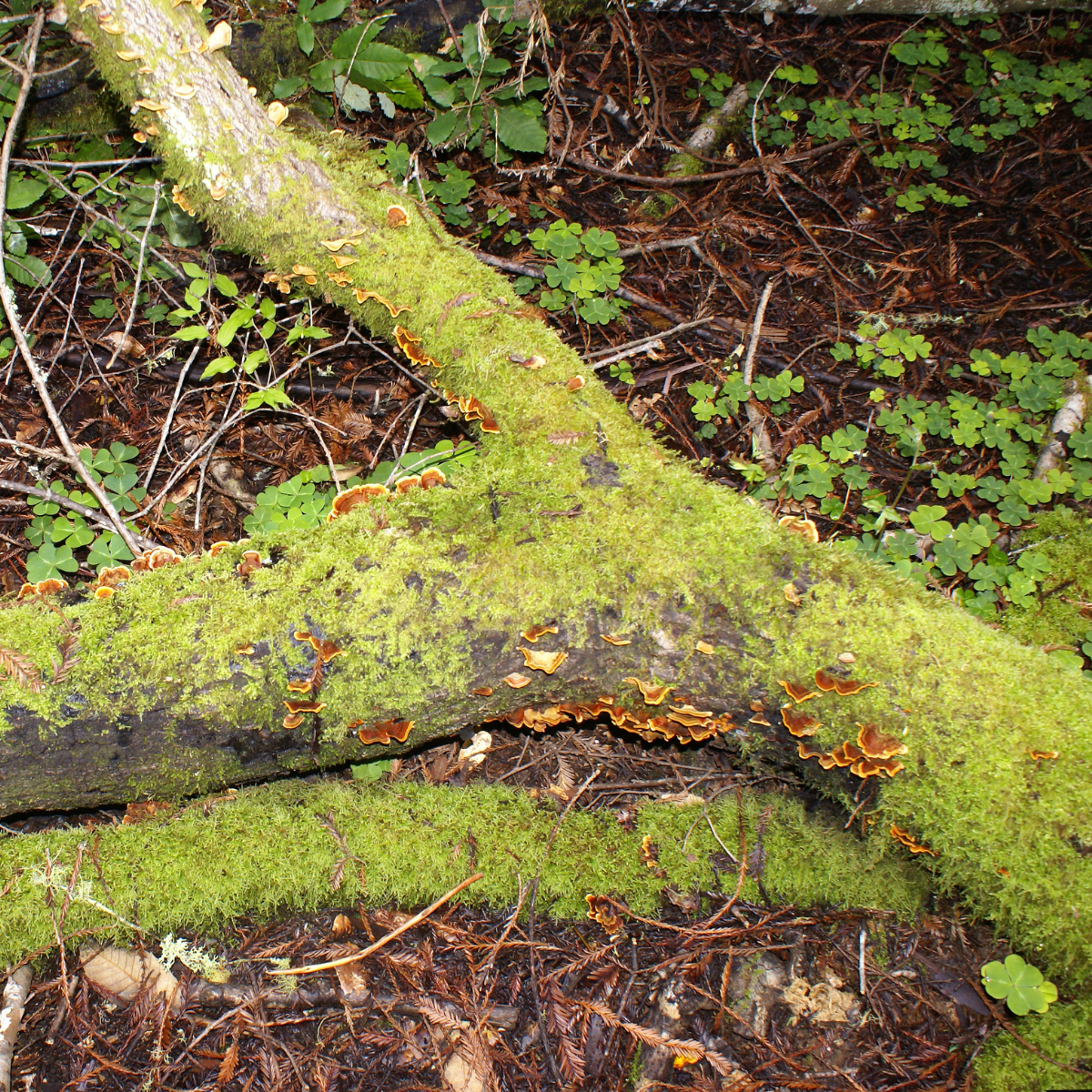
Tree decomposing in a forest
🌼 The Cycle Continues
As old trees break down, they support the growth of new seedlings nearby — starting the life cycle all over again. Each generation of trees helps shape the landscape, enhance biodiversity, and create a healthier environment.
