
What a Mild Autumn Really Means for UK Trees and Wildlife in 2025
Autumn used to be predictable: cooler days, a sharp drop in temperature, and the steady shift from green canopies to deep gold and rust. Across the UK, 2025 has delivered yet another mild autumn — softer temperatures, fewer early frosts, and trees hanging onto their leaves far longer than expected.
For most people, it feels pleasant. For nature, it’s a sign that the seasonal rhythm is changing.
At Beechwood Trees and Landscapes, we’re seeing the effects first-hand across the Midlands. A mild autumn may seem harmless, but its impact on trees, gardens and wildlife is far-reaching.
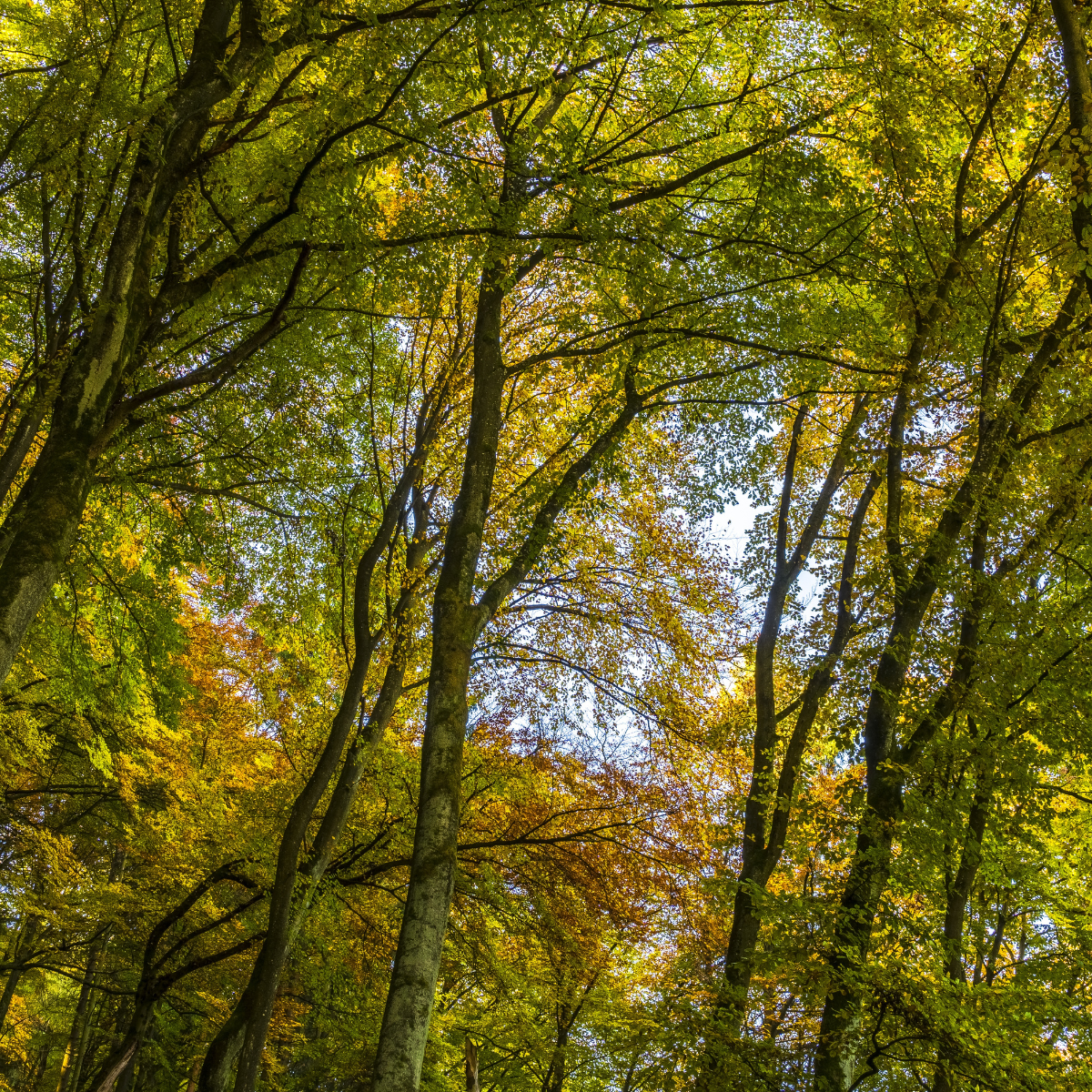
The trees are gradually turning vibrant shades of orange, red, and yellow on a bright, sunny autumn day. The clear sky and warm sunlight highlight the rich colours, creating a picturesque seasonal scene.
Trees Are Taking Longer to Power Down
Trees rely on consistent seasonal cues to prepare for winter. When temperatures stay warm well into October and November, several things happen:
Delayed leaf-drop
Many broadleaf species hold onto their foliage for weeks longer. Without the usual cold trigger, chlorophyll takes longer to break down, so leaves cling on instead of turning and falling.
Interrupted dormancy
Trees normally use autumn to harden off, slow growth, and protect buds ahead of winter. A mild season can delay this shift, leaving trees underprepared if a sudden cold snap hits in December.
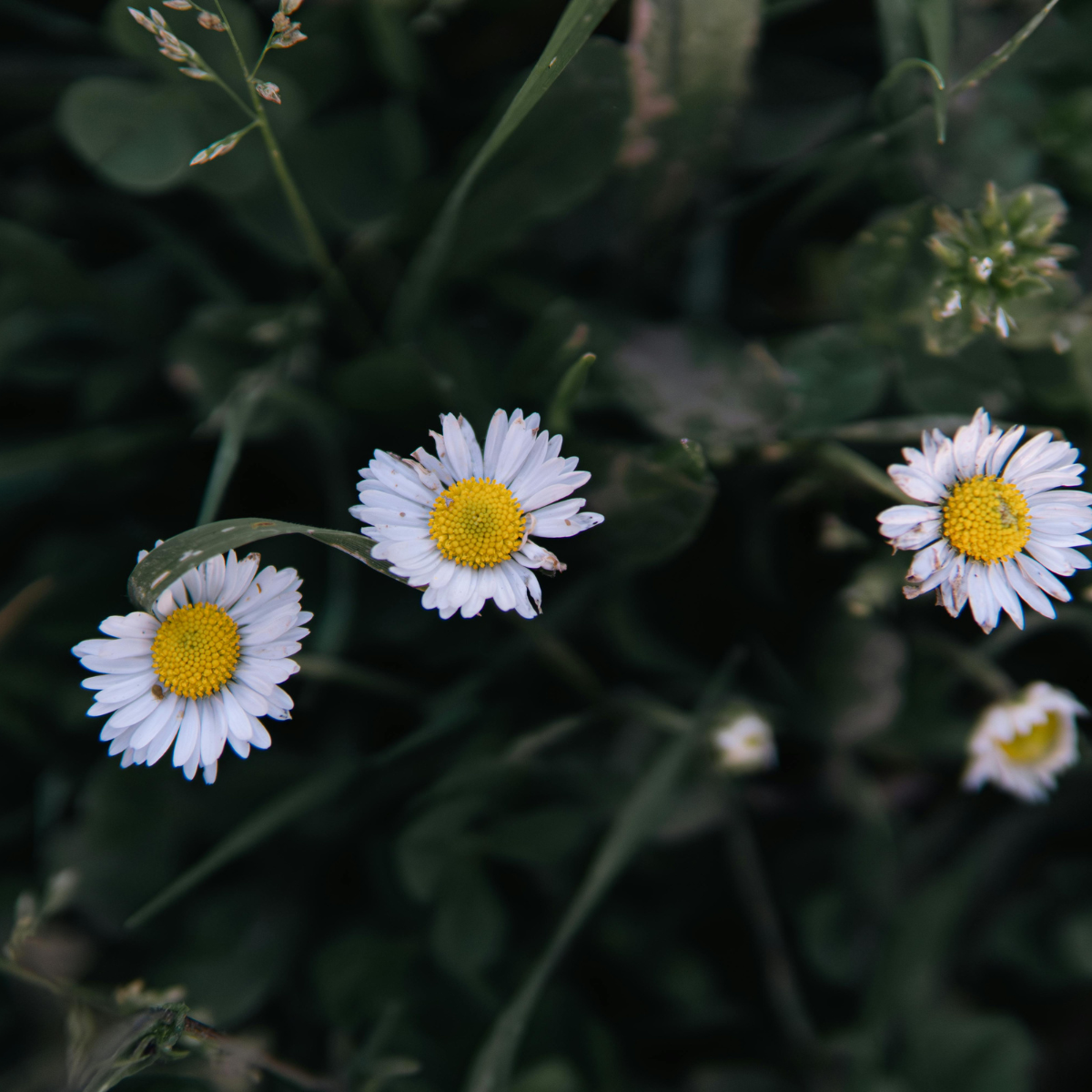
Daisies are blooming beautifully, adding a fresh and cheerful touch to the landscape.
Unexpected late growth
Some trees attempt a late flush of leaves or even produce flowers out of season. While it’s interesting to see, it can drain energy reserves that trees rely on through winter.
These shifts don’t just alter how trees look — they influence their long-term resilience. Young trees and stressed specimens are particularly vulnerable when seasonal patterns lose their reliability.
Wildlife Is Out of Step With the Season
Wildlife across the UK takes its cues from temperature as much as daylight. When autumn doesn’t cool as expected, animals and insects adjust their behaviour — not always for the better.
Insects remain active longer
Butterflies, moths and wasps have been seen much later in the year than usual, extending their life cycles and, in some cases, increasing populations of pest species.
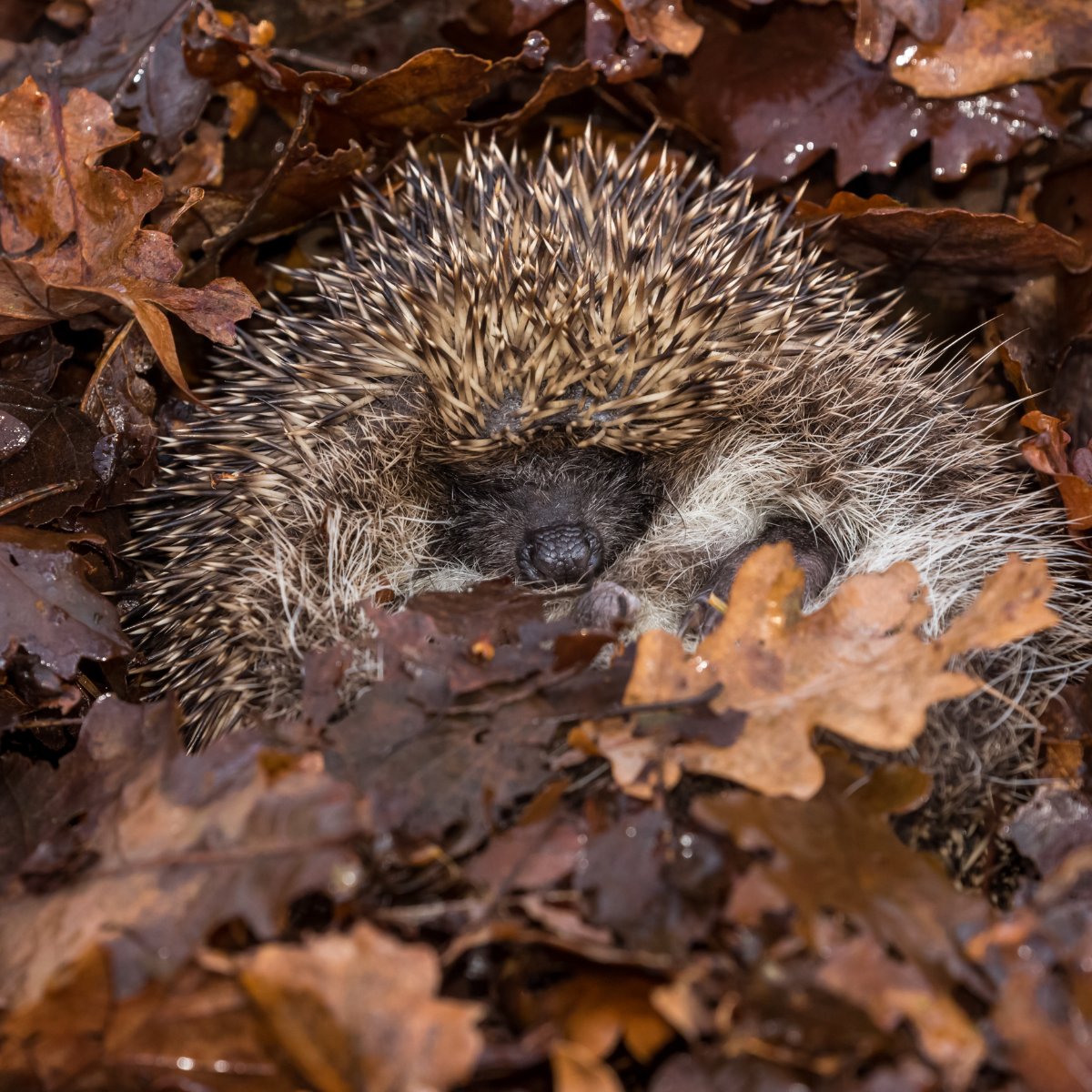
A hedgehog is gently nestled among the fallen brown autumn leaves, tucked away in a cosy, natural shelter, sleeping.
Delayed hibernation
Hedgehogs, amphibians and small mammals may postpone hibernation because food sources remain available. If temperatures suddenly drop, they may be caught without the fat reserves needed for winter survival.
Food availability becomes unpredictable
A mismatch begins to appear: berries and nuts may ripen earlier or later, while birds and mammals follow their instinctive schedules. When supply and demand fall out of sync, wildlife is pushed to adapt under pressure.
These changes may seem subtle, but year-on-year they contribute to wider declines in biodiversity — a trend highlighted across conservation groups in 2025.
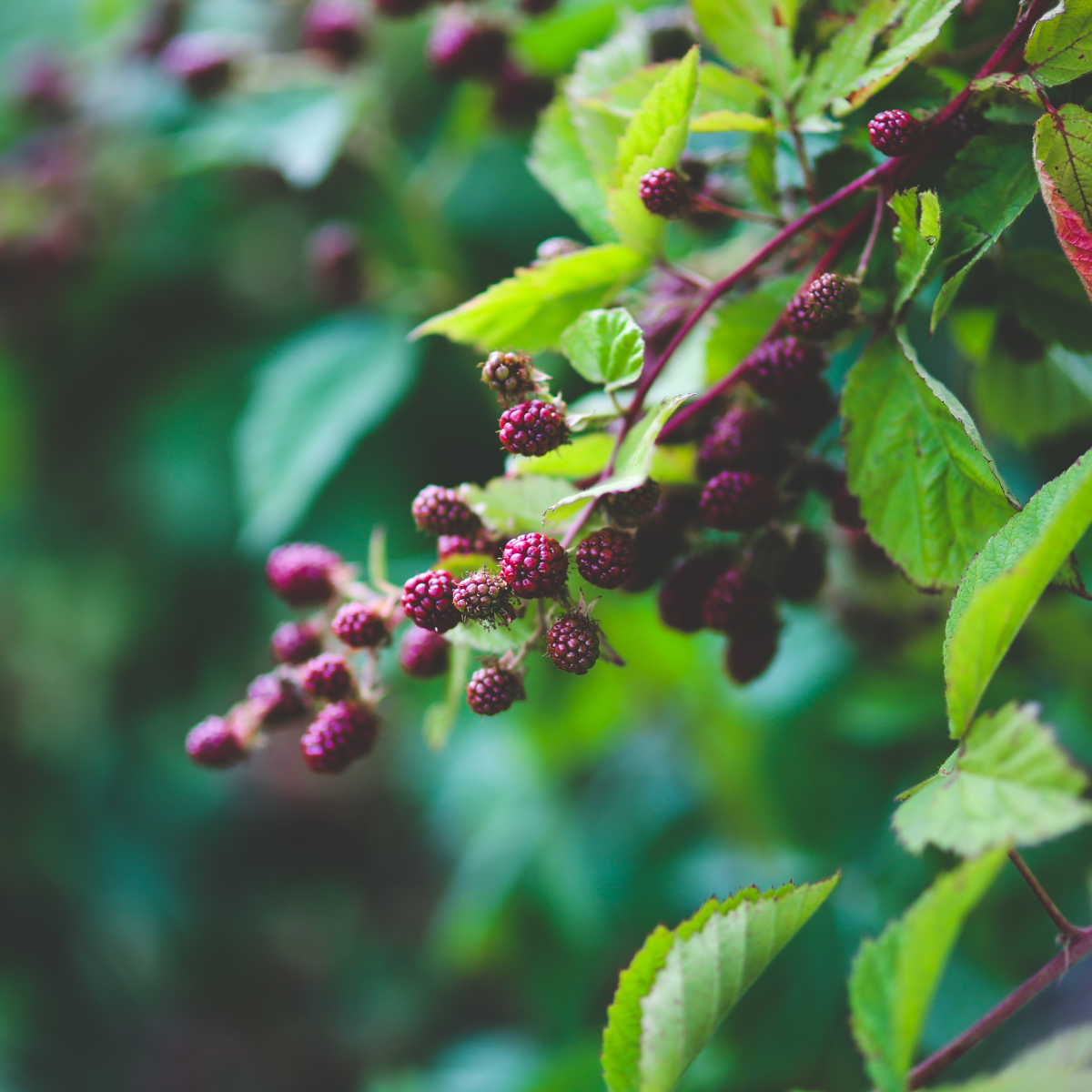
Blackberries growing in autumn, still vibrant red but gradually ripening and beginning to develop their rich, deep purple hue.
How This Affects Gardens, Woodlands and Managed Landscapes
For homeowners, estates, local authorities and land managers, a mild autumn changes how we plan and care for green spaces.
Pruning and maintenance windows shift
With trees remaining active later, the traditional early-autumn pruning period can be less suitable. Waiting for true dormancy avoids unnecessary stress.
Higher disease and pest risk
Extended warmth allows pests and pathogens to remain active. Tree inspections become even more valuable during a mild autumn.
Soil conditions fluctuate
A warm, wet autumn — common in recent years — keeps soil soft, which can increase wind-throw risks for shallow-rooted trees during storms.
Planting decisions need to reflect reality
Species selection matters more than ever. Trees and shrubs that handle seasonal unpredictability, drought stress and temperature swings are becoming essential choices for resilient landscapes.
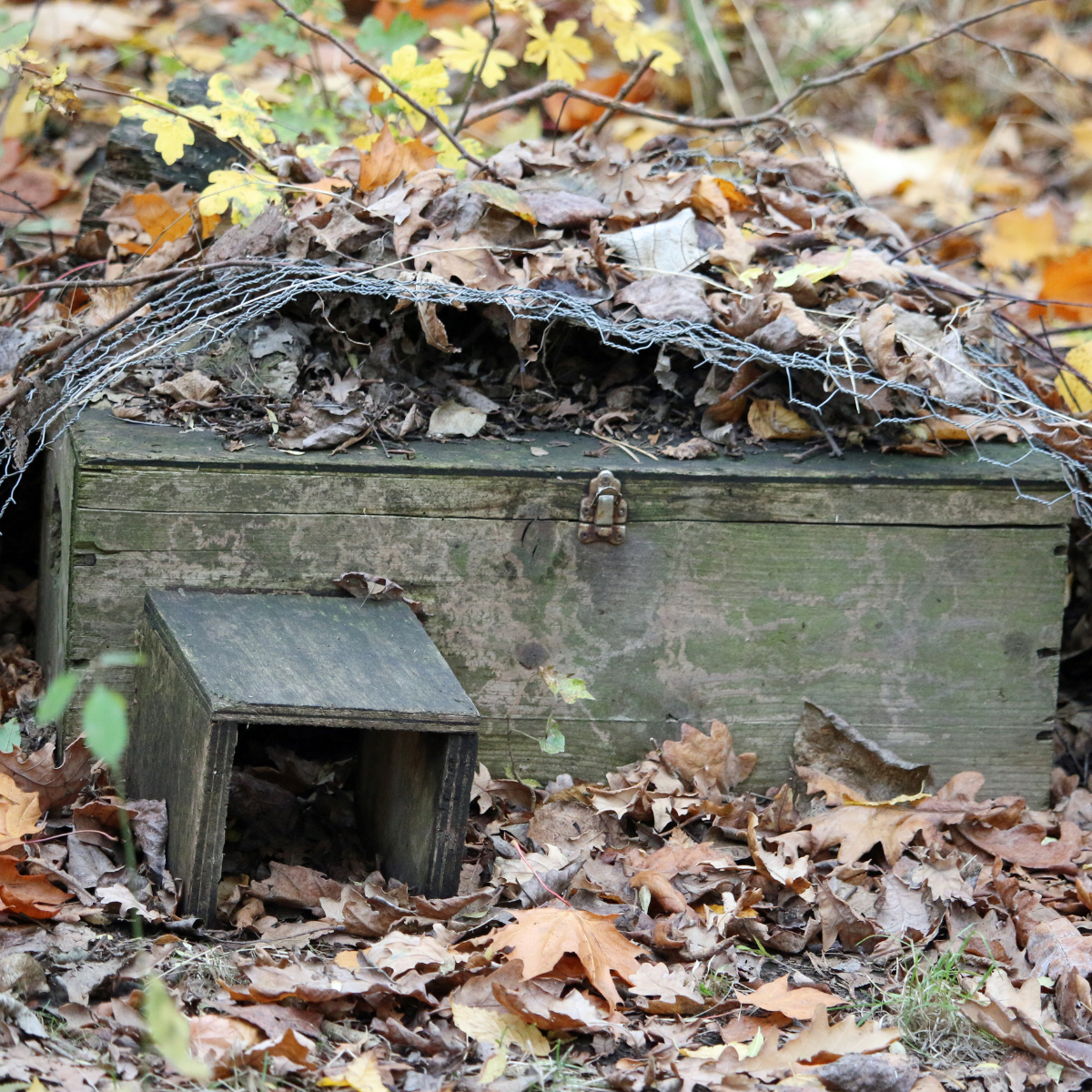
Supporting wildlife by carefully creating a safe home and providing ample covering to ensure their protection and well-being.
What You Can Do to Support Your Garden or Green Space
A few intentional steps can make a genuine difference:
Monitor trees for late leaf retention or unusual growth.
Hold off major pruning until dormancy is clear.
Support soil health with mulch and consistent moisture management.
Choose diverse, native species built to cope with shifting conditions.
Create wildlife-friendly areas that offer shelter and food through unpredictable seasons.
If something about your landscape feels “off-season”, trust your instinct — you’re probably right.
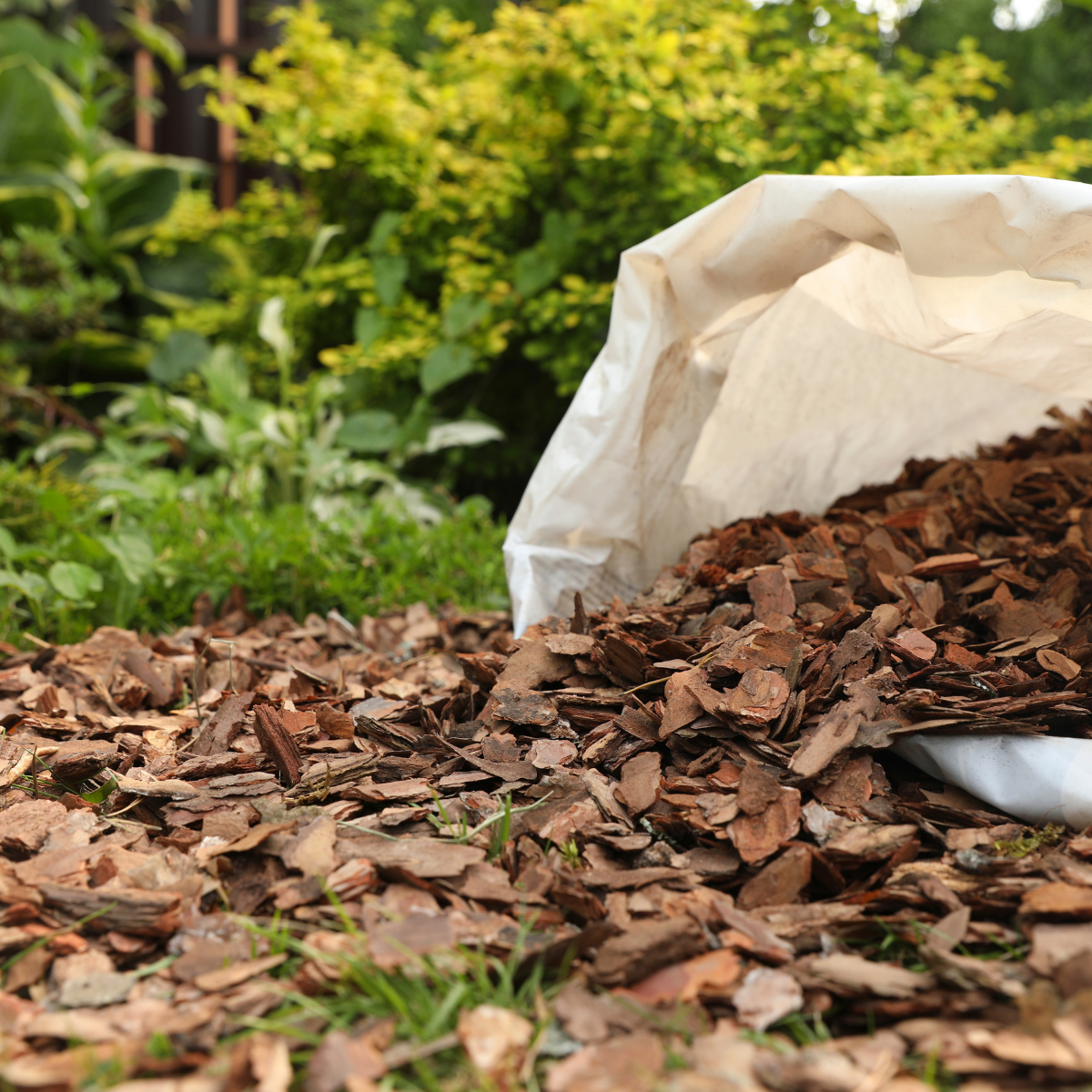
Mulch being carefully put down to protect the surrounding area and maintain soil health.
Looking Ahead: A New Normal for UK Seasons
Mild autumns aren’t one-offs anymore. They’re becoming a defining feature of the UK climate. While this brings uncertainty, it also reinforces the importance of good tree care, ecological awareness and adaptive landscaping.
At Beechwood Trees and Landscapes, we’re committed to supporting clients through these changing seasons — with informed guidance, proactive management and a focus on nature-positive outcomes.
If you’ve noticed unusual growth, leaf behaviour or wildlife activity this autumn, our team is here to help you understand what’s happening and how to respond.
