
Wildlife Returns and Here’s How to Support It
As winter fades and the first hints of spring appear, wildlife begins to stir. Birds start scouting nesting sites and other animals emerge from hibernation, and gardens come alive with new growth. Timing your garden maintenance correctly can make a huge difference, helping local wildlife thrive while keeping your outdoor spaces healthy and beautiful.
Plan Maintenance Around Nesting 🪺
Early spring is prime nesting time for birds. Removing hedges, trimming shrubs, or cutting back trees too early can destroy nests or disturb breeding birds. Always check for signs of nesting, such as twigs in bushes or small cavities in trees, before starting work.
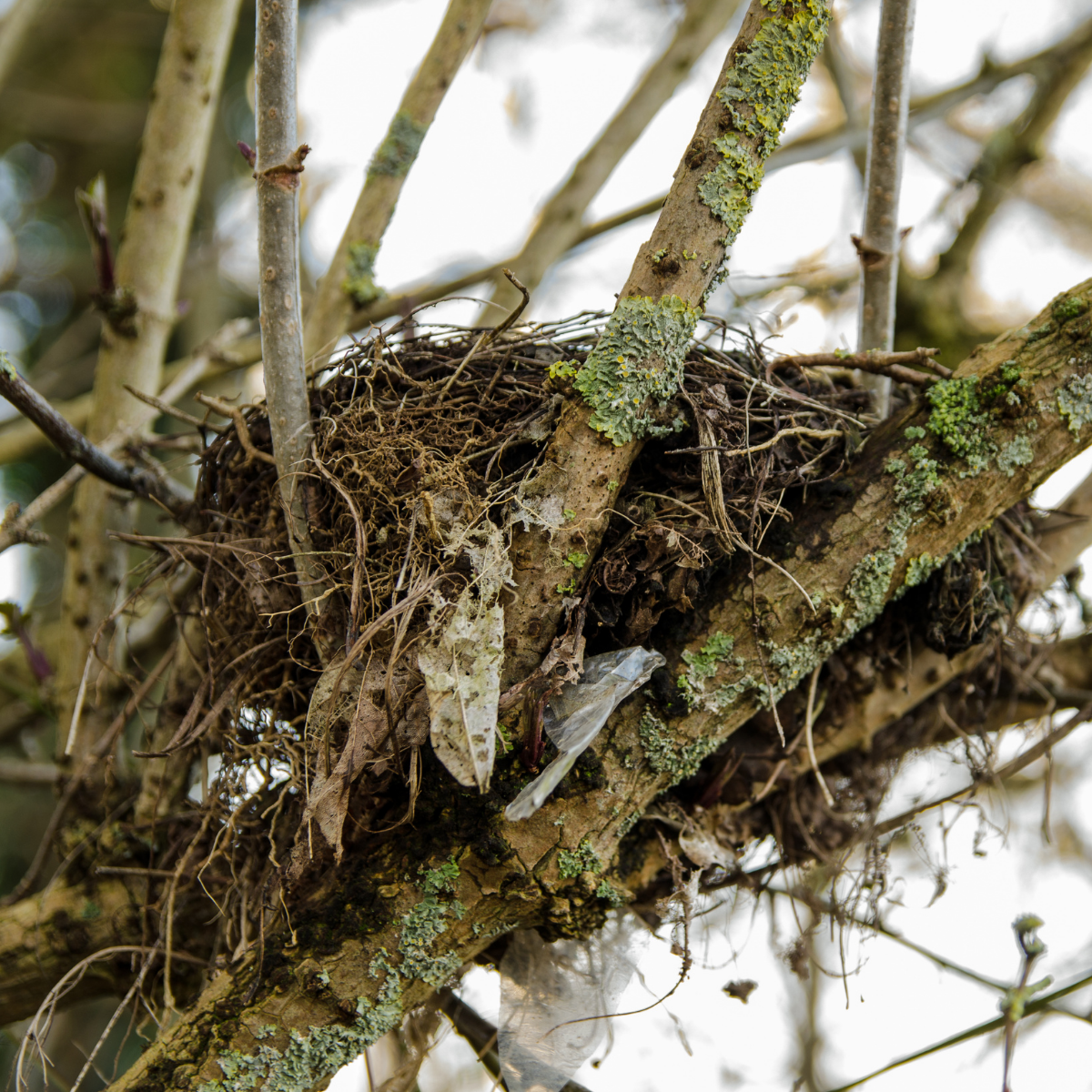
A small birds’ nest sat high up in a leafy UK tree, carefully woven from tiny twigs.
Leave Natural Habitats 🍁
Deadwood, leaf piles, and long grass may look untidy, but they provide essential shelter for hedgehogs and other small creatures emerging from winter dormancy. Consider leaving areas of your garden natural, or creating designated wildlife zones.
Tip: You can clear paths and essential access areas while leaving wildlife refuges intact.
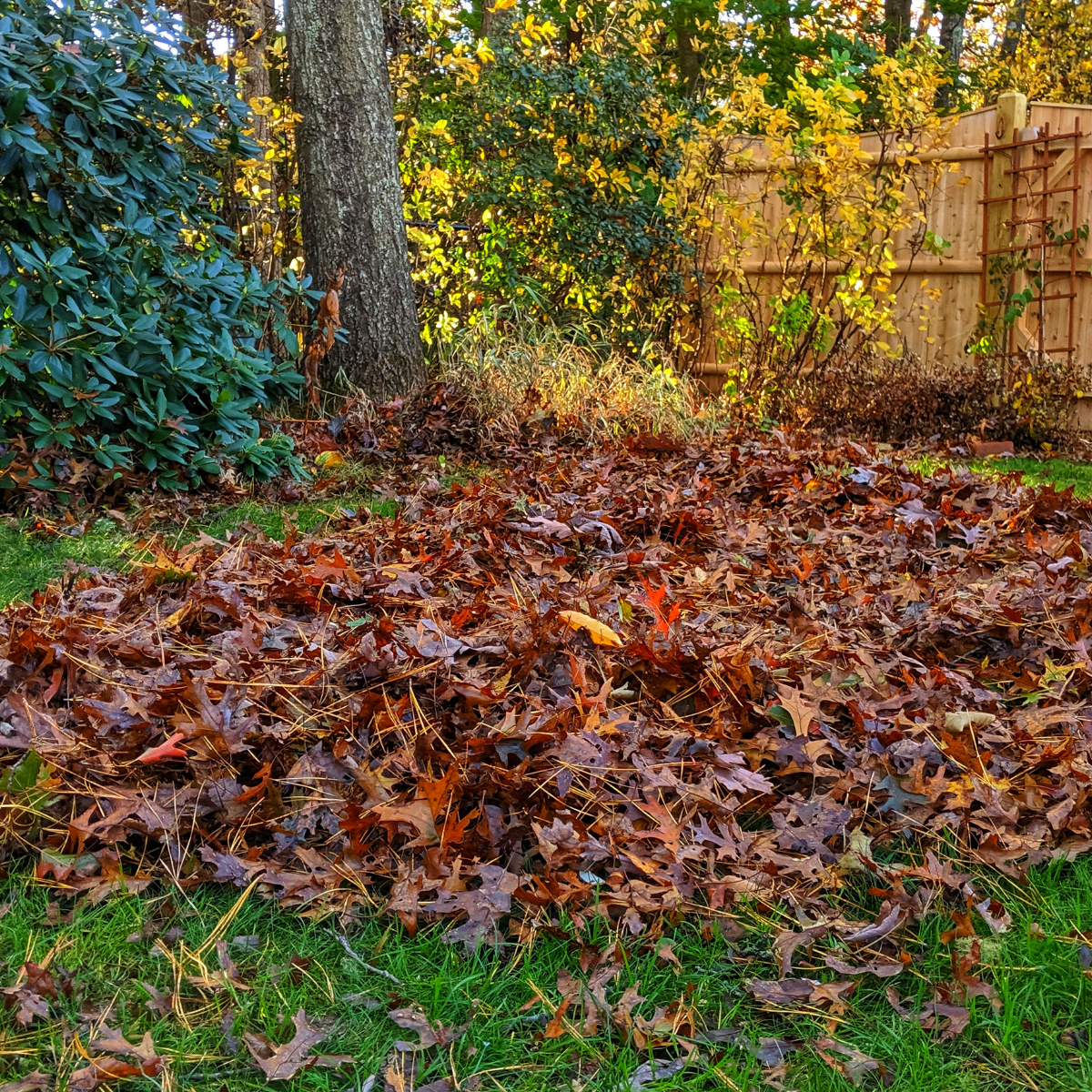
A bright pile of autumn leaves, vibrant in colour and full of rich, warm tones.
Provide Food and Water 🌰
Early spring can be a challenging time for wildlife, as natural food sources may still be scarce. Offering clean water dishes, bird feeders, or planting nectar-rich early flowers helps birds and pollinators survive until plants fully bloom.
Tip: Keep feeders and water topped up daily, and avoid giving bread to birds as it’s low in nutrition.
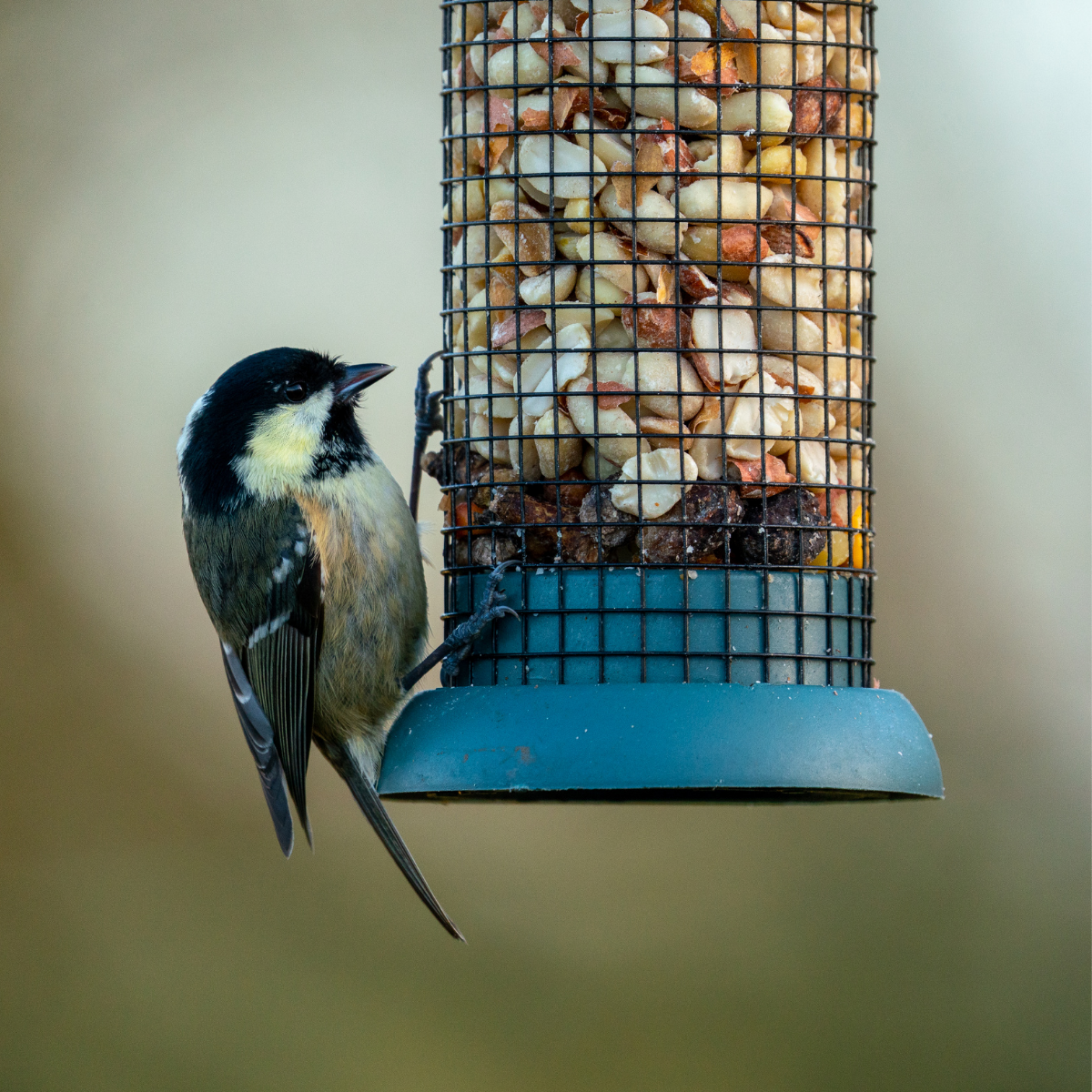
A Coal Tit delicately pecking at nuts from a small garden bird feeder.
Plant With Wildlife in Mind 🌳
Native plants, early-flowering bulbs, and shrubs provide shelter, pollen, and nectar at exactly the time wildlife needs it most. Consider planting a variety of species to create year-round support for birds, bees, and other wildlife.
Tip: Trees like hawthorn and blackthorn provide early berries and nesting opportunities for birds, while flowers like crocus and primrose are excellent for early pollinators.
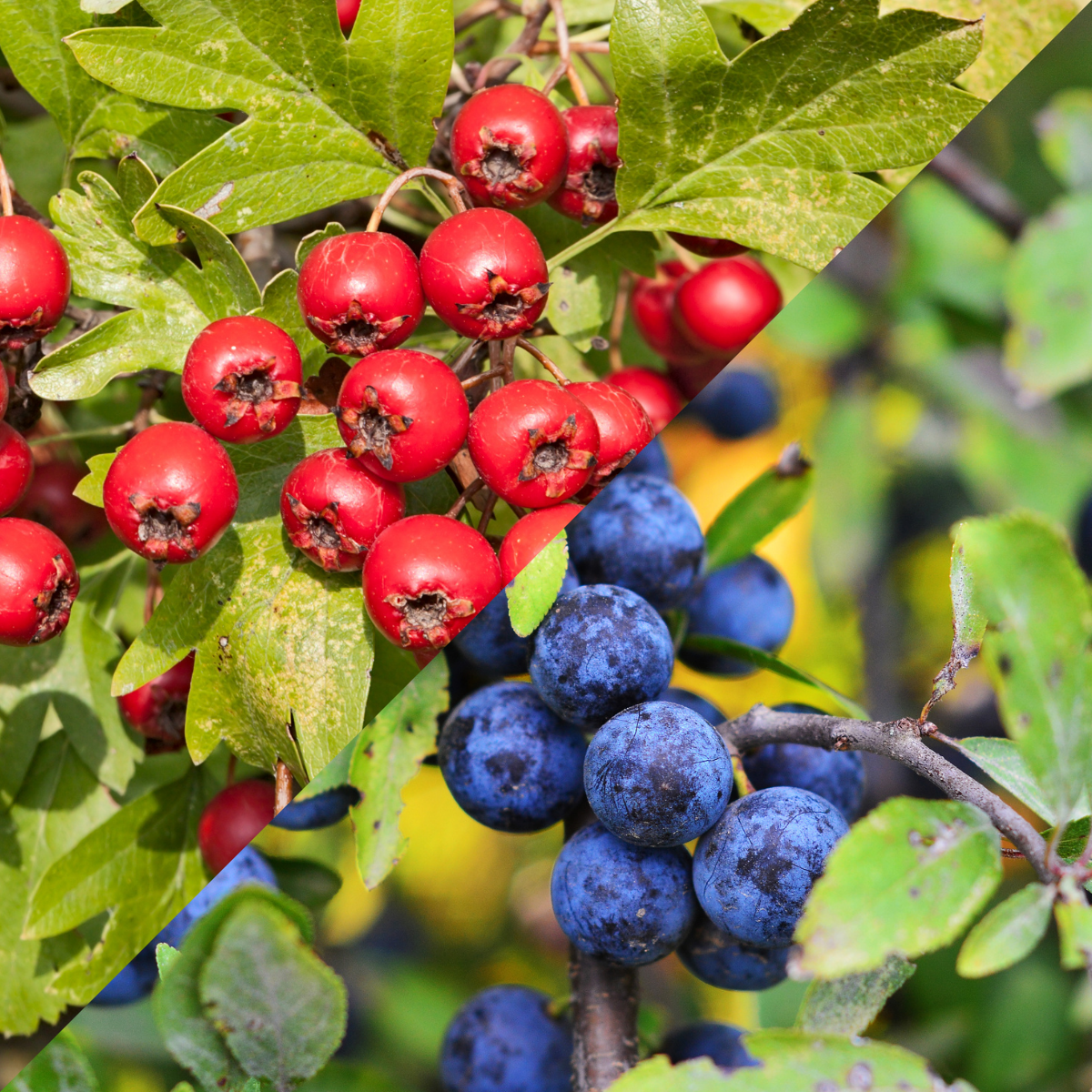
Hawthorn and Blackthorn berries growing side by side, ripe and glistening
Use Chemicals Responsibly 🧪
Avoid spraying pesticides, herbicides, or fertilisers during early spring when birds are particularly active. Organic or wildlife-friendly alternatives protect your plants without harming creatures returning to your garden.
By being mindful of timing and creating a supportive environment, your garden can become a haven for birds and other wildlife just as spring begins. Small changes now make a big difference for the health of your garden and the ecosystem around it.
Want more tips? Check out our other blogs on seasonal tree care and landscaping to help your garden thrive while supporting nature.
