
Why Has My Grass Turned Brown? Understanding Grass During Hot, Dry Weather
If you’ve noticed grass turning brown across your local area this summer, you might be wondering whether it has died or why it isn’t being cut as regularly.
The good news is that brown grass doesn’t necessarily mean dead grass.
Following prolonged periods of hot and dry weather, established grass can naturally enter a state called dormancy. This is one of the ways grass protects itself when there isn’t enough water available to keep growing.
Why does grass turn brown?
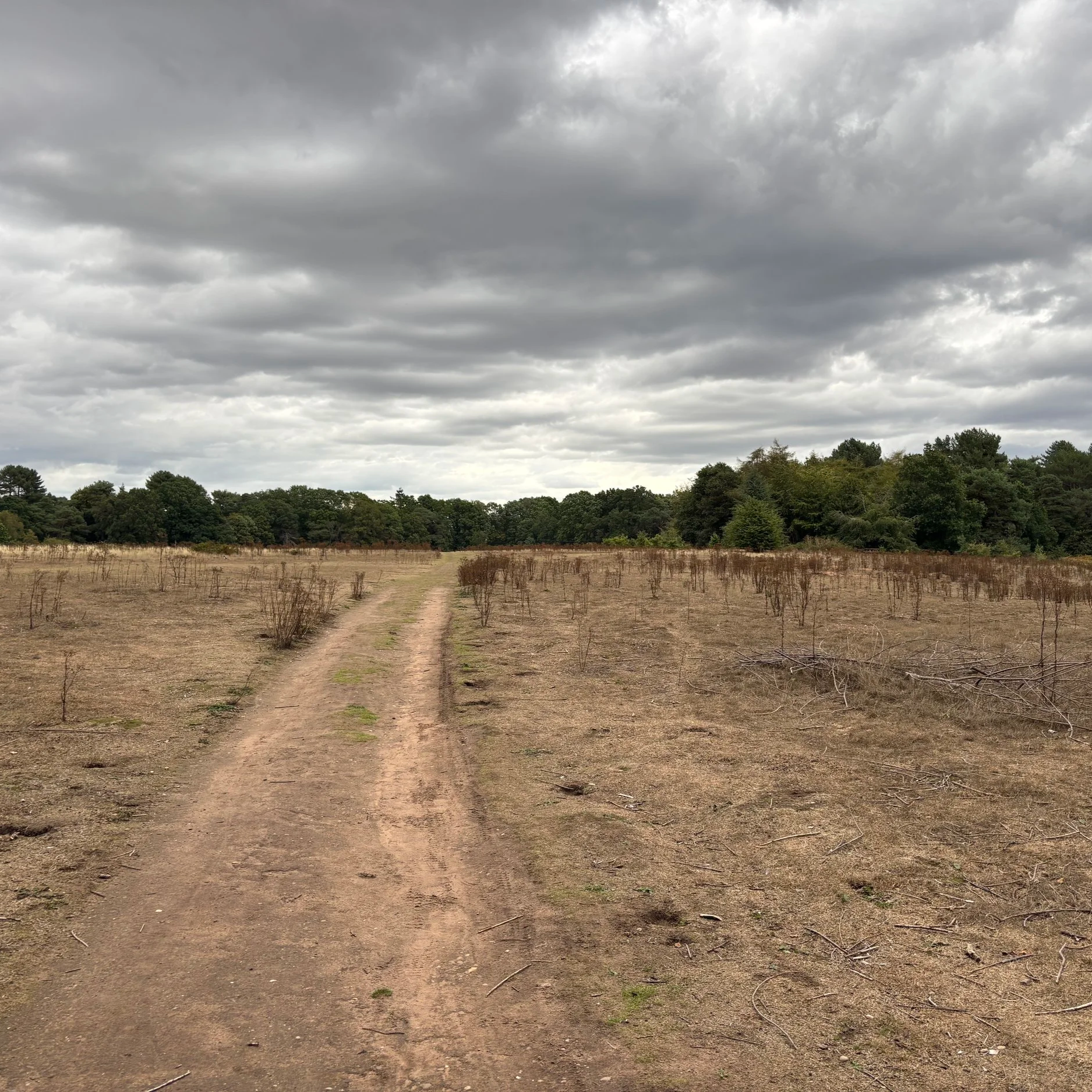
A large field of brown, dry grass with small but noticeable patches of green beginning to show after recent continuous rainfall.
During periods of heat and low rainfall, grass has to conserve the moisture it has available.
Rather than continuing to grow as normal, the plant can become dormant. The visible leaves dry out and turn brown, while the plant protects the parts that are most important for its survival, including the crown and roots.
To the eye, this can make an area of grass look dead, dry or neglected. In many cases, however, the grass is simply waiting for the right conditions to return.
This is a natural response to prolonged dry weather.
Why isn't the grass being cut?
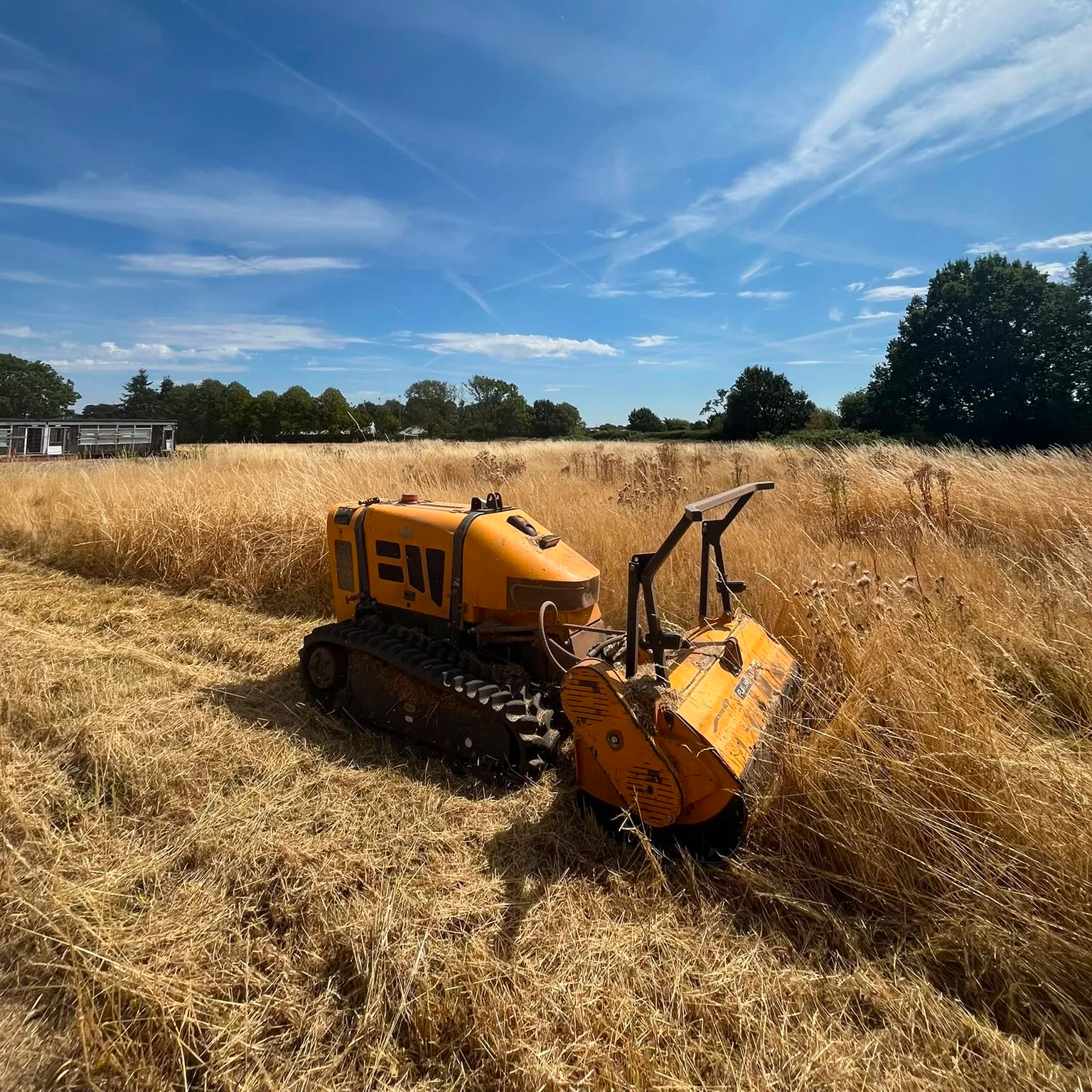
Robo flail mows tall grass to reduce fuel and help prevent fires from spreading.
You may also notice that grassed areas aren't being mown as frequently during very dry conditions.
That doesn't necessarily mean the grounds maintenance team has stopped attending.
When grass has stopped growing, continuing to mow it can do more harm than good. Cutting dormant grass unnecessarily can place additional stress on the plant and potentially damage the crown, making recovery more difficult.
Instead, grounds maintenance teams can focus on other essential seasonal work while continuing to monitor the grass and waiting for conditions to improve.
Sometimes, not cutting the grass is the right thing to do.
What happens when the rain returns?
It can be tempting to expect brown grass to turn green again as soon as the rain arrives, but recovery usually takes longer than that.
One or two short showers may not provide enough moisture to properly reach the roots, particularly if the ground has been very dry for an extended period.
Sustained rainfall and cooler temperatures are more likely to give dormant grass the conditions it needs to begin growing again.
As a general guide:
7 to 14 days: New green shoots may start to appear following sustained rainfall.
3 to 6 weeks: Healthy grass could become noticeably greener.
6 to 12 weeks: Fuller recovery and improved density may begin to develop.
These are only general timeframes. Every site is different, and some areas will recover more quickly than others.
Why doesn't all grass recover at the same rate?
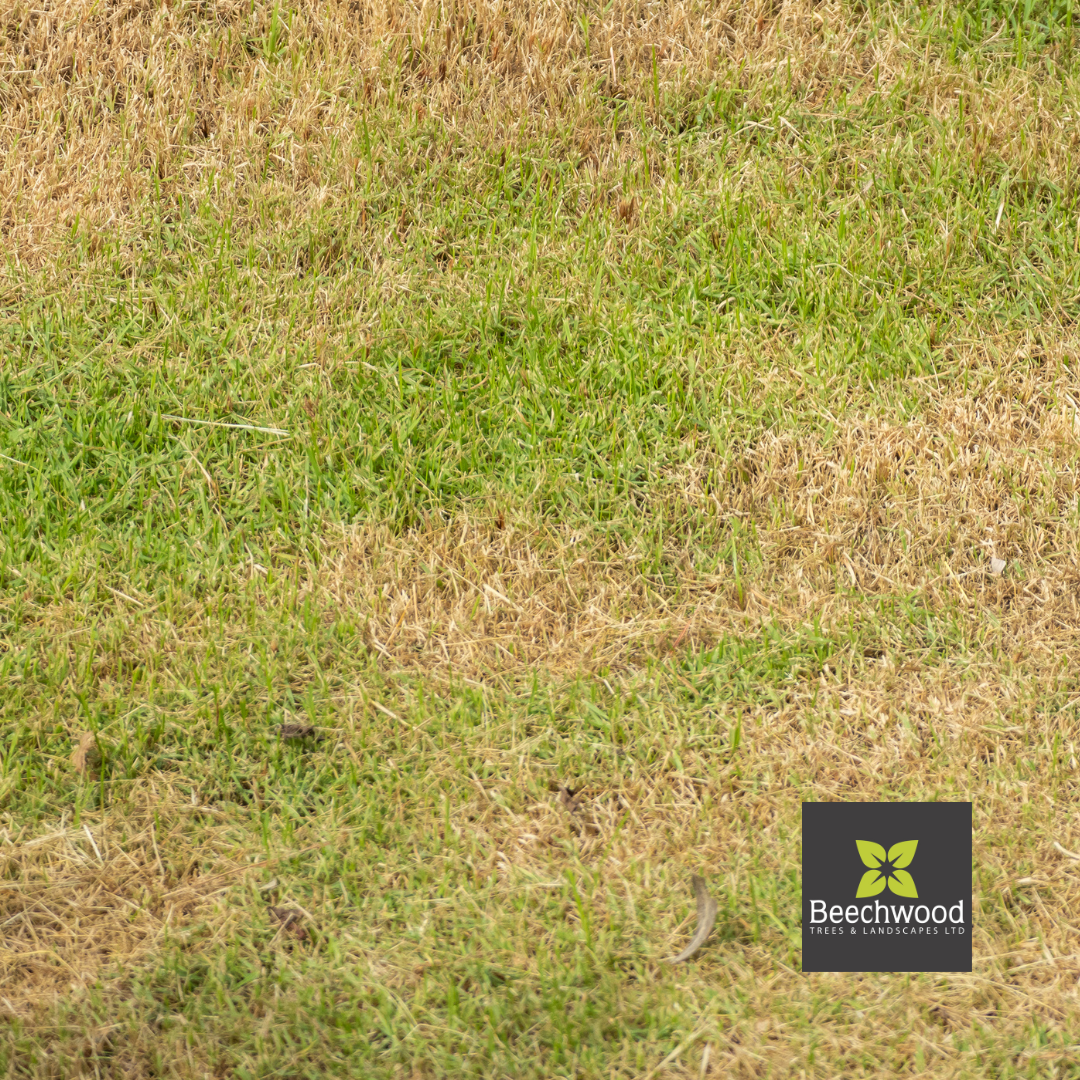
You may notice that one area starts turning green while another nearby area remains brown.
There are several reasons for this.
Grass growing in shallow soil, on south-facing slopes, beneath trees or around heavily used areas can be affected differently by hot and dry weather.
Areas along well-used pedestrian routes or around play areas may also take longer to recover because they experience more foot traffic and compaction.
Some areas may have suffered more significant damage during the dry period and could need additional work before they fully recover.
What about weeds?
Dry weather can also change the balance between grass and weeds.
Some weeds are able to continue growing when surrounding grass is dormant, making them much more noticeable than they would normally be.
As grass begins to recover, it may become easier to identify areas where weeds have become excessive and where additional treatment could be considered.
What if the grass doesn't recover?
Not every brown area will recover completely.
If an area remains bare or fails to show signs of recovery after sustained rainfall and cooler conditions return, it may be worth having it assessed.
Depending on the condition of the ground and grass, remedial work could include:
Aeration
Overseeding
Soil improvement
Other remedial treatments
It is often easier to assess the true condition of an area after the weather has improved and the grass has had a reasonable opportunity to recover.
Brown doesn't always mean dead
The most important thing to remember is that brown grass isn't necessarily dead grass.
During prolonged hot and dry weather, dormancy is a natural survival response. Once there is enough sustained rainfall and temperatures become more favourable, many established grassed areas will begin to recover.
It won't happen overnight, and recovery won't necessarily be uniform across every area.
So, if you see brown grass during a prolonged dry spell, it doesn't automatically mean that it has been neglected or that something has gone wrong.
Sometimes, the grass is simply resting and waiting for the rain. 🌱
