
Why Does It Look Like Autumn in Summer?
Why Trees Are Dropping Their Leaves
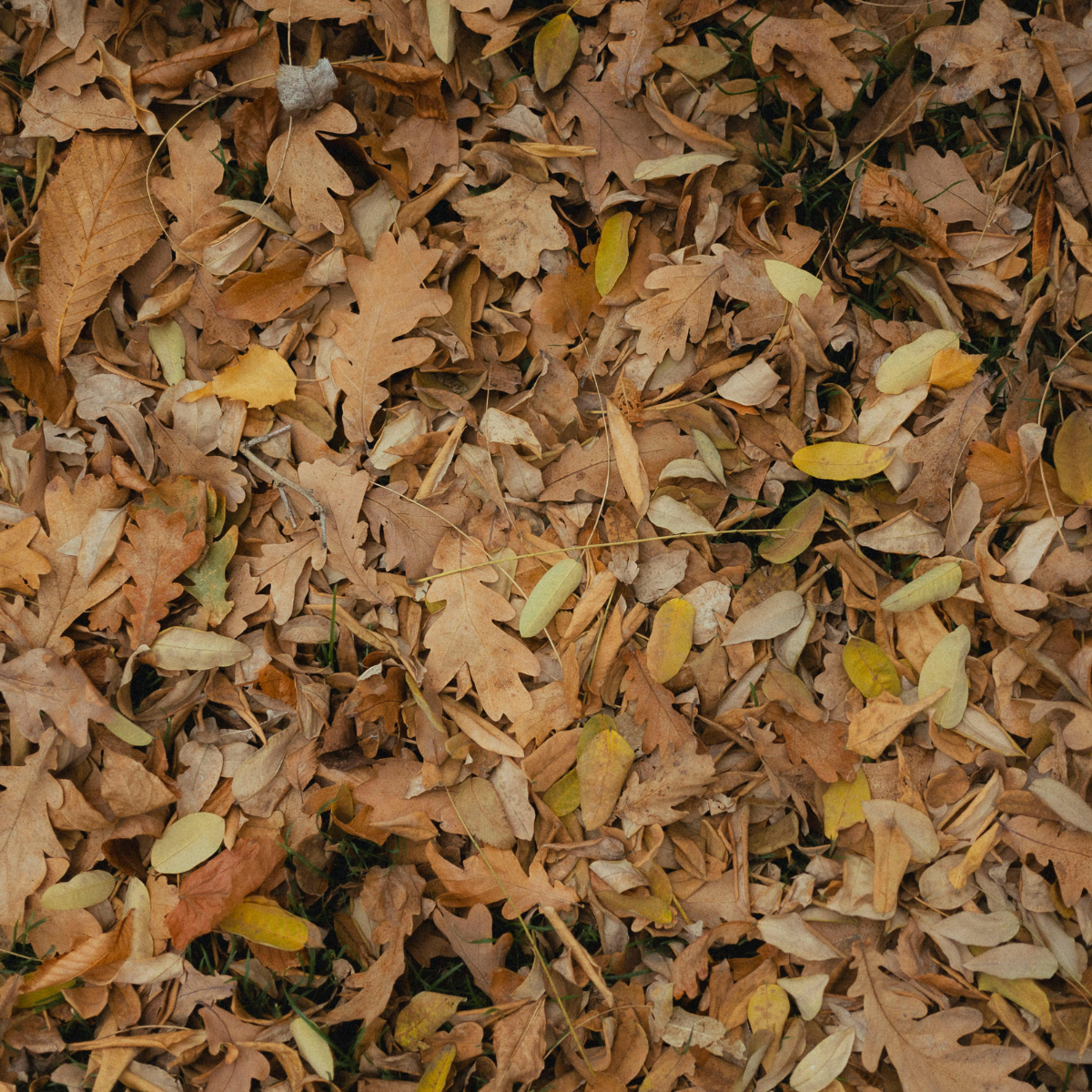
An area is carpeted in a thick layer of fallen, brown leaves.
Walk through a park or down your street at the moment, and you could be forgiven for thinking autumn has arrived early.
Brown leaves are scattered across pavements and pathways, yet the sun is shining, temperatures are high, and the grass is dry and crisp underfoot.
It feels like two seasons have collided.
So, why does it look like autumn in the middle of summer?
The answer lies in how trees respond to prolonged periods of hot, dry weather. While early leaf fall can look alarming, it's often a natural survival strategy rather than a sign that a tree is dying.
Why are trees dropping their leaves in summer?
Trees rely on their leaves to produce energy through photosynthesis, but leaves also lose water through a process known as transpiration.
During long periods of hot, dry weather, trees can lose water faster than they can replace it through their roots. To reduce this water loss, many species will begin shedding some of their leaves earlier than normal.
Think of it as the tree's way of conserving resources.
By reducing the size of its canopy, the tree needs less water to survive until conditions improve.
While it may look concerning, a moderate amount of early leaf drop is often a sign that the tree is adapting rather than failing.
Why does the grass look burnt too?
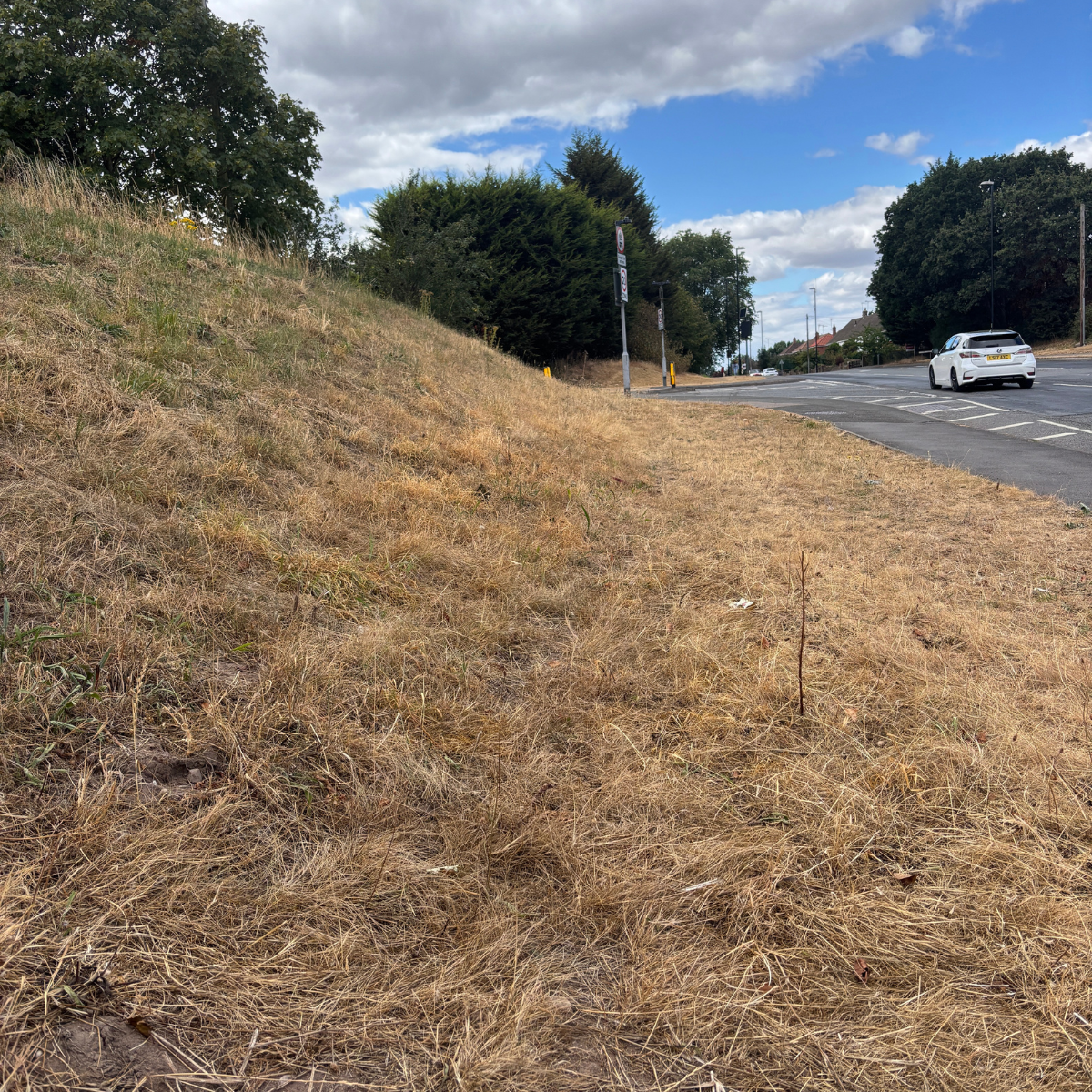
A bank in the Midlands covered in dried grass and sun-bleached vegetation.
Trees aren't the only plants feeling the effects of prolonged hot weather.
Across the UK, many lawns, verges and open spaces have turned brown or straw-coloured after extended periods without significant rainfall.
Although it can appear dead, grass often enters a dormant state during drought.
Rather than continuing to grow, it slows down to conserve moisture. Once rainfall returns, many lawns recover naturally and begin growing again.
The combination of brown grass beneath green trees and fallen leaves on the ground creates the unusual appearance of autumn in the middle of summer.
Are all trees affected?
Some trees cope with hot, dry conditions better than others.
Young trees are particularly vulnerable because their root systems are still developing and cannot reach deeper sources of moisture.
Trees that have been planted within the last three years often require additional watering during prolonged dry periods.
Urban trees can also struggle more than those growing in woodland. Hard surfaces such as roads, pavements and car parks absorb and reflect heat while limiting the amount of water reaching the soil.
Even mature trees, which generally cope well with drought, can begin shedding leaves if conditions remain hot and dry for an extended period.
Is my tree dying?
Not necessarily.
Early leaf drop on its own is not usually a cause for concern.
Many healthy trees will recover once cooler temperatures and rainfall return.
However, there are situations where a professional inspection may be worthwhile.
Signs to look out for include:
Large sections of the canopy losing leaves.
Dead branches appearing throughout the crown.
Cracks or splits developing in the trunk.
Fungal growth around the base of the tree.
Branches that appear weak or begin to fail.
Trees that do not produce healthy new growth once conditions improve.
If you're unsure whether a tree is healthy, it's always better to seek professional advice rather than wait for the problem to worsen.
How does hot weather affect wildlife?
The impact of prolonged hot weather extends beyond trees.
Wildlife also relies heavily on healthy green spaces for food, shelter and water.
As temperatures rise, natural water sources can begin to dry up, making it more difficult for birds, insects and small mammals to find drinking water.
Trees provide valuable shade that helps regulate temperatures for countless species, while their canopies offer protection during the hottest parts of the day.
Pollinating insects may also struggle if flowering plants begin to dry out earlier than usual.
Simple actions such as leaving shallow water for wildlife or allowing parts of gardens to remain more natural can make a real difference during periods of extreme weather.
Should I water my trees?
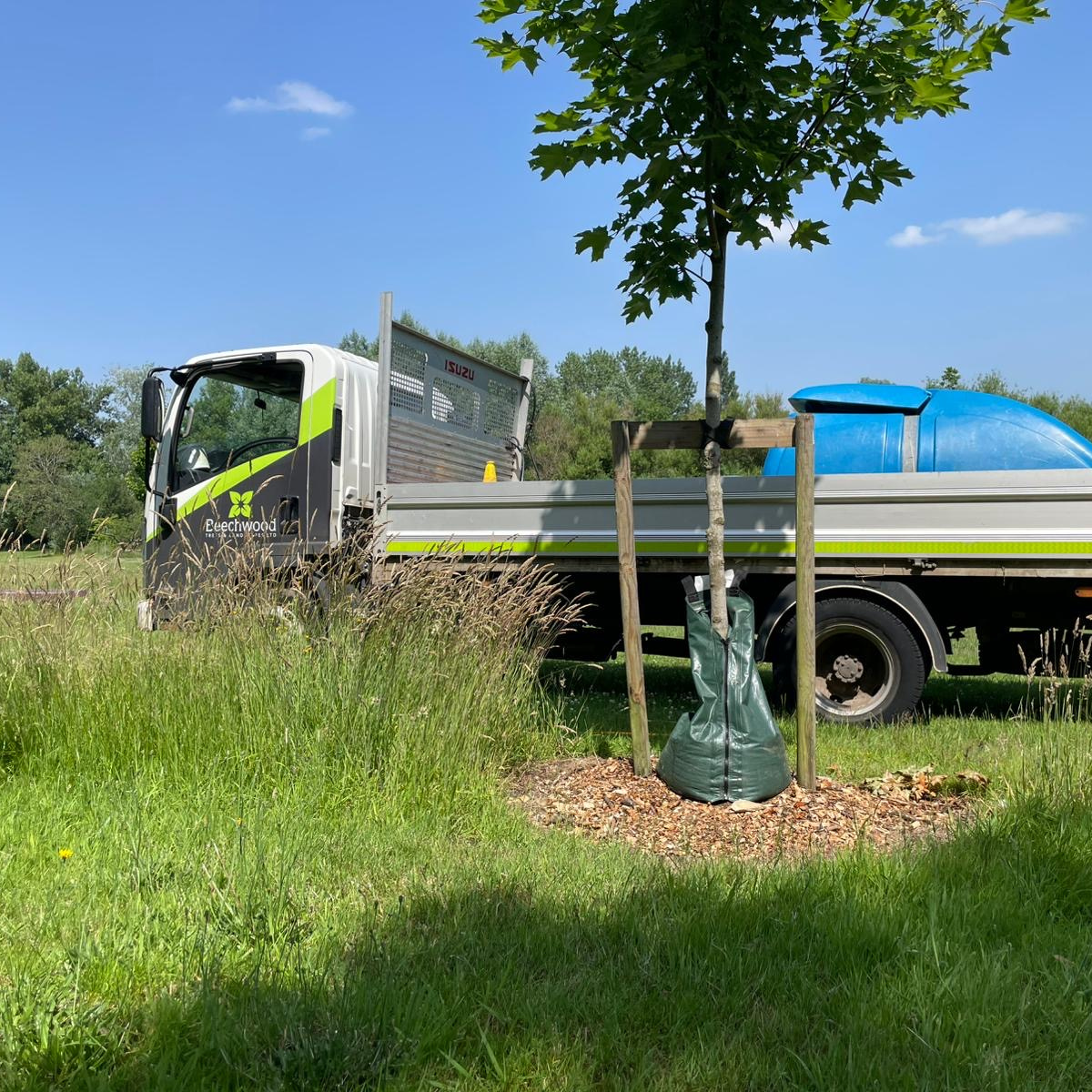
A young tree is using a water bag to help it through the hot summer months, while a Beechwood van sits in the background.
If a tree has been planted recently, the answer is usually yes.
Young trees benefit greatly from regular, deep watering during dry weather.
It's better to water thoroughly once or twice a week than to apply small amounts every day, as this encourages roots to grow deeper into the soil.
Established trees generally require less intervention, although prolonged drought can still place them under significant stress.
Avoid watering during the hottest part of the day, as much of the water will evaporate before it reaches the roots.
Can hot weather make trees unsafe?
While heat alone doesn't usually cause trees to fail, prolonged drought can weaken them over time.
Trees already affected by decay, disease or structural defects may become more vulnerable when placed under additional stress.
Dry conditions can also increase the likelihood of deadwood developing within the canopy.
Combined with strong winds or heavy rainfall later in the year, weakened branches may become more likely to fail.
This is one reason why regular tree inspections remain important, particularly for trees located near roads, footpaths, schools, parks and commercial premises.
What we're seeing on site
Across many of the sites we maintain, we've noticed an increase in early leaf drop, dry ground conditions and signs of drought stress.
It's understandable that many property owners become concerned when they see leaves falling weeks before autumn.
In most cases, this is a natural response to prolonged hot weather.
However, every tree is different.
Where trees have existing defects, decay or structural issues, the additional stress caused by drought can make underlying problems more apparent.
That's why routine inspections continue to play an important role in responsible tree management.
How Beechwood can help
Whether you manage a commercial site, public space, school or private property, monitoring tree health throughout the year helps identify potential issues before they become more serious.
At Beechwood Trees and Landscapes, our qualified arborists provide:
Tree inspections and condition surveys.
Tree surgery and pruning.
Deadwood removal.
Hazardous tree management.
Grounds maintenance.
Commercial vegetation management.
Planned maintenance programmes.
Emergency tree works.
By taking a proactive approach, it's often possible to improve tree health, reduce risk and extend the lifespan of valuable trees.
Frequently Asked Questions
Why are trees dropping their leaves in summer?
Many trees shed leaves early during prolonged hot, dry weather to reduce water loss and conserve energy.
Does early leaf fall mean my tree is dying?
Not usually. Early leaf drop is often a natural drought response, although additional symptoms such as dead branches or fungal growth should be investigated.
Should I water my trees during hot weather?
Recently planted trees usually benefit from regular deep watering. Mature trees are generally more resilient but can still suffer during prolonged drought.
Why does it look like autumn when it's still summer?
The combination of brown fallen leaves, dry grass and prolonged hot weather creates the appearance of autumn, even though temperatures remain high.
When should I contact an arborist?
If you're concerned about the health, safety or condition of a tree, or you've noticed cracks, dead branches, fungal growth or significant canopy decline, it's worth arranging a professional inspection.
