
What Is Tree Surgery? Answering the Most Common Questions About Arboriculture
When Emilia and Catherine attended the Finham Park School Careers Fair, we expected plenty of questions about climbing trees, chainsaws, and working outdoors.
Instead, the questions that came up time and time again were much simpler.
"What is tree surgery?"
Followed closely by:
"Do you just cut down trees?"
The second question was particularly interesting. Many of the students clearly cared about the environment and wanted to know whether tree surgery meant removing healthy trees. When we explained that our role is actually to manage, maintain, and care for trees, there was a noticeable sense of relief.
It reminded us that these are questions many people probably ask, not just students. So, we thought we'd answer the most common ones here.
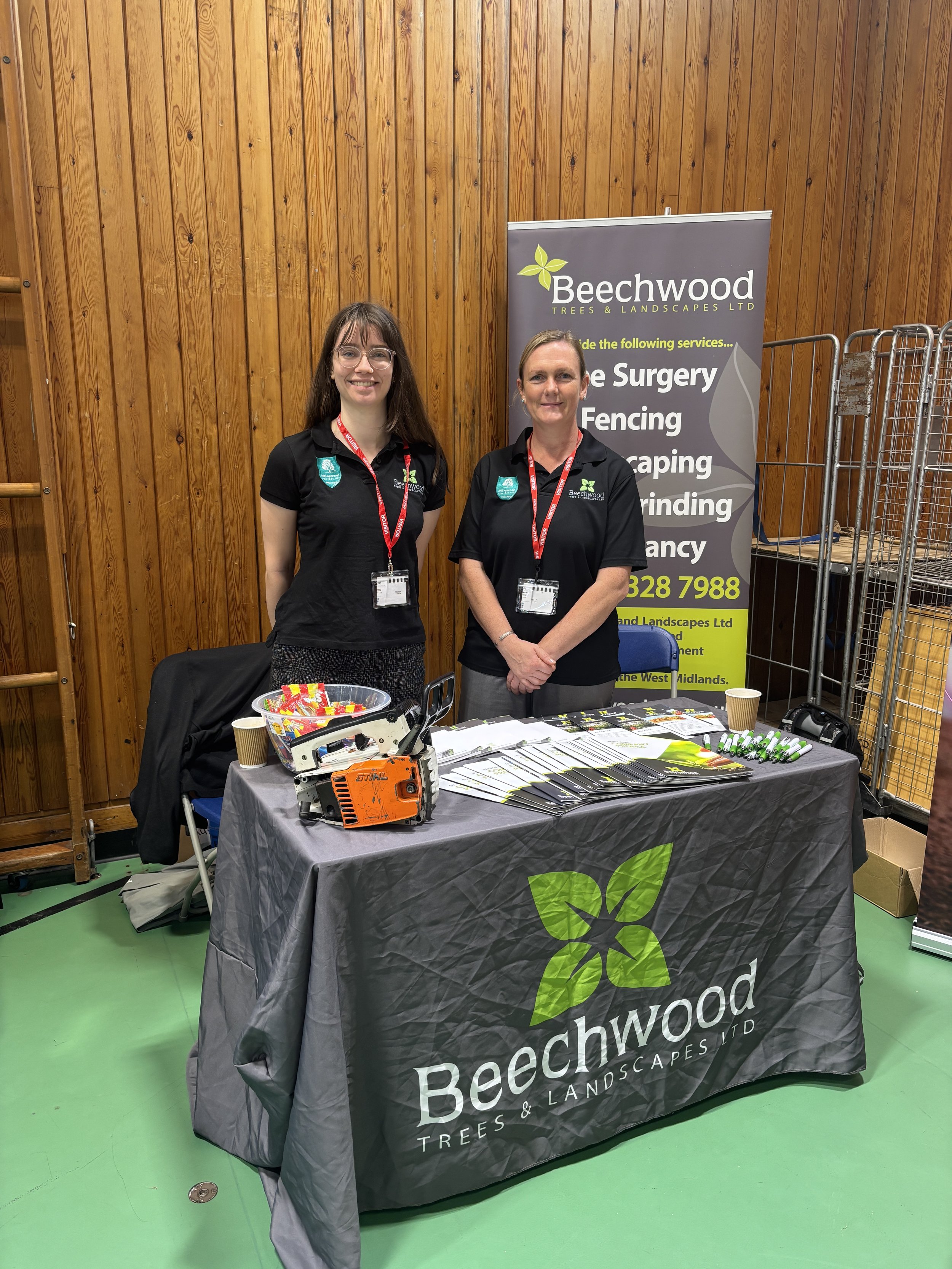
Emilia and Catherine at a career fair in Coventry
What is tree surgery?
Tree surgery is the professional care and management of trees.
Just like a doctor helps people stay healthy, a tree surgeon helps trees remain healthy, safe, and suitable for the environment around them.
The work can involve inspecting trees, pruning branches, removing deadwood, improving clearance over roads and footpaths, planting new trees, and responding to storm damage.
Every decision is made with one goal in mind: to manage trees responsibly while protecting people, property, and wildlife.
If you'd like to learn more about the services we provide, explore our Tree Surgery page.
Do tree surgeons just cut down trees?
No.
In fact, removing a tree is often the last option.
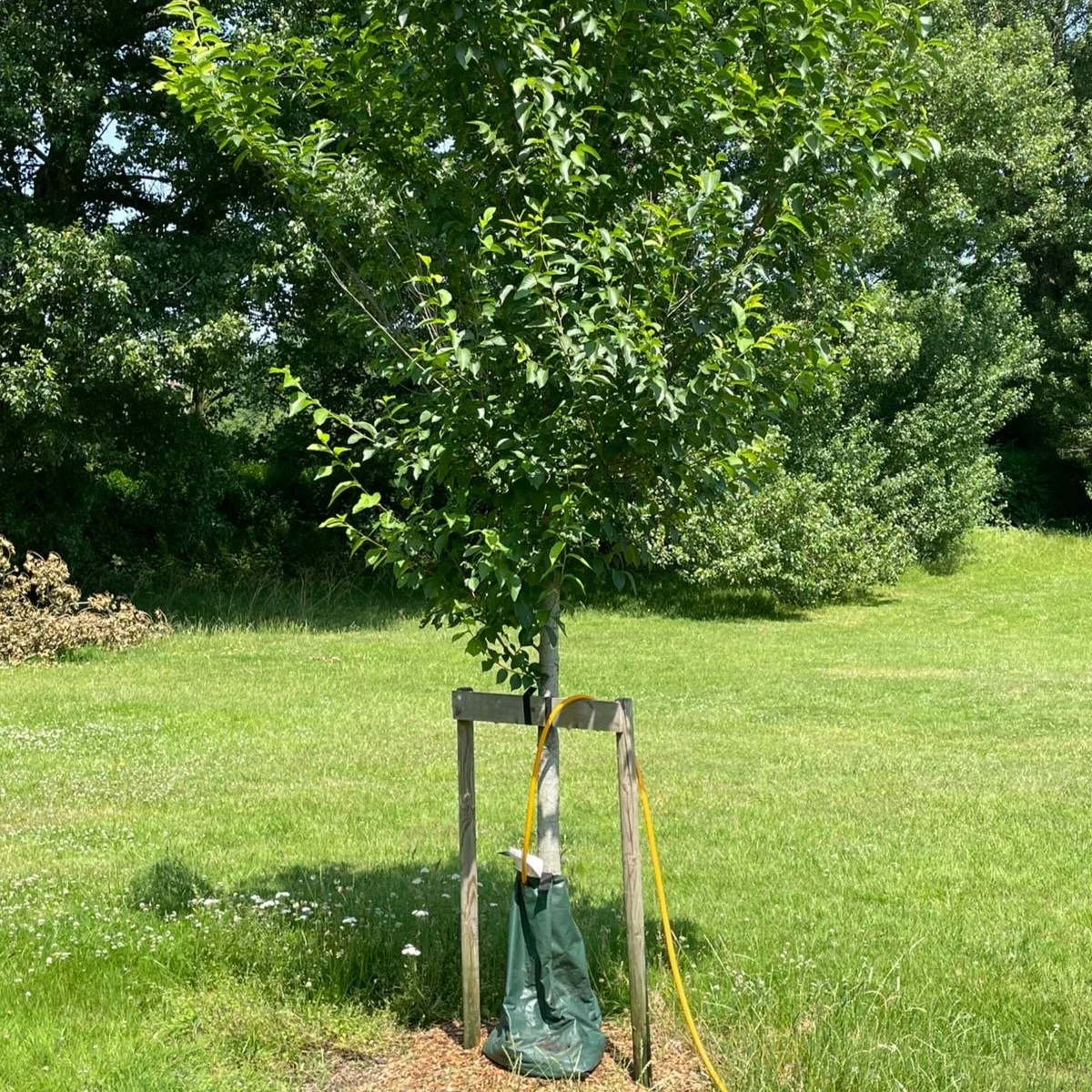
Watering a coventry City Council Tree as part of the maintenance programme
Most of our work is focused on helping trees continue to grow safely for years to come. This might involve reducing the weight of large branches, removing dead or damaged limbs, improving clearance for vehicles or pedestrians, or carrying out routine maintenance.
Trees are valuable. They improve air quality, provide habitats for wildlife, reduce flooding, create shade, and make our communities greener. Whenever appropriate, the aim is to retain and manage them rather than remove them.
Trees are only removed when they have become unsafe, are affected by disease, have failed structurally, or cannot reasonably be retained.
Why do trees need tree surgery?
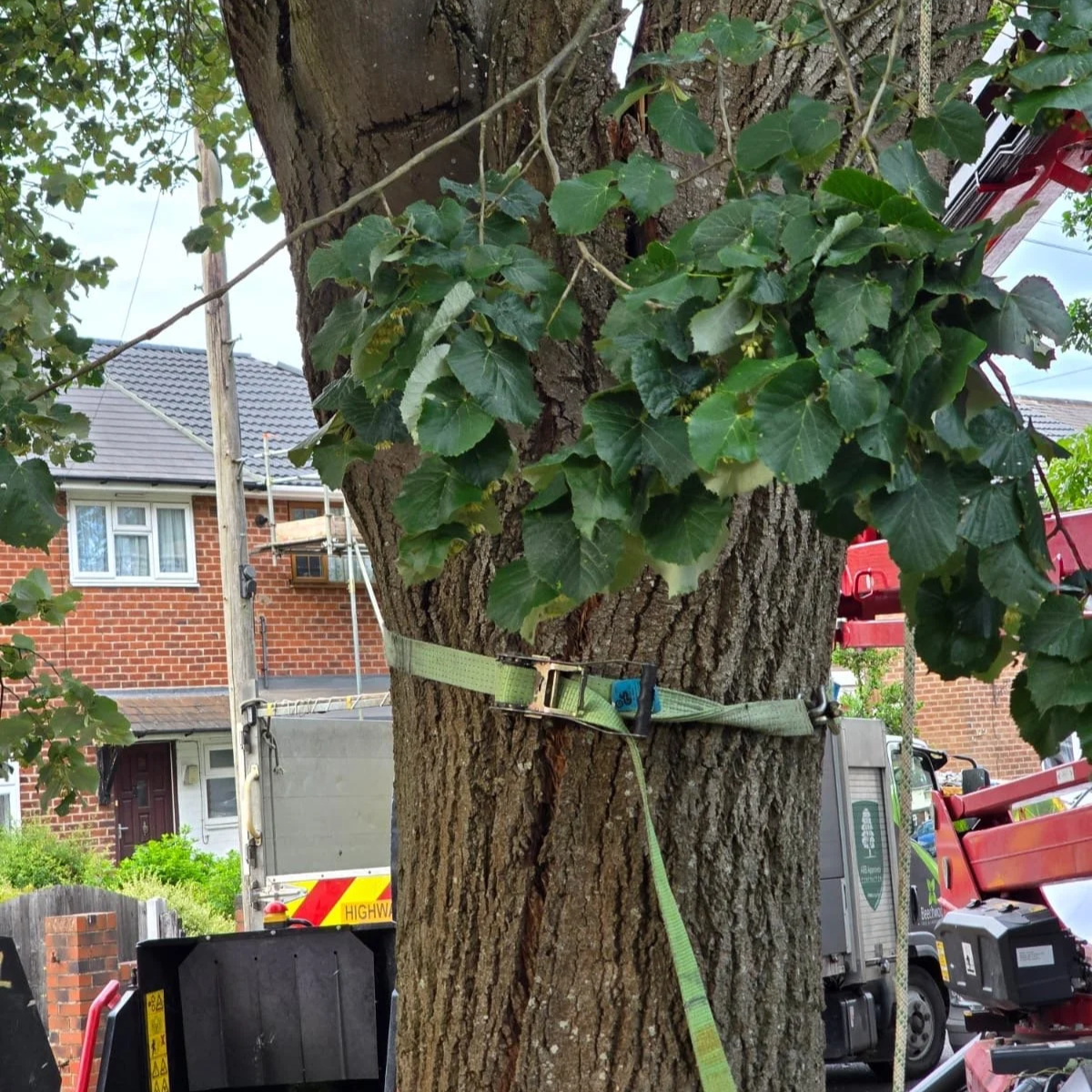
A tree has a split down the middle making it structurally unsound
Trees face many of the same challenges throughout their lives as people do.
Storms can damage branches. Disease can weaken their structure. Heavy limbs can become unstable, and growth over roads, footpaths, or buildings can create safety concerns.
Tree surgery helps identify these issues before they become bigger problems.
By carrying out planned maintenance, tree surgeons can often extend the life of a tree while reducing the risks it may pose to the public.
Is tree surgery good for trees?
When carried out correctly by qualified professionals, yes.
Professional tree surgery is designed to improve the health, structure, and safety of trees.
Removing deadwood can reduce the risk of falling branches. Careful pruning can encourage healthy growth and improve the tree's natural shape. Regular inspections can also identify pests, diseases, or structural defects before they develop further.
Poor or unnecessary pruning, however, can have the opposite effect, which is why using experienced arborists is so important.
Is tree surgery dangerous?
Tree surgery can involve working at height, operating specialist equipment, and working near roads or public spaces.
That's why planning is such an important part of every project.
Before work begins, risk assessments are completed, equipment is checked, and the safest method of working is established. Depending on the job, this may involve climbing with ropes and harnesses or using specialist equipment such as a MEWP (Mobile Elevated Work Platform).
Every member of the team plays an important role in ensuring work is carried out safely.
What does a typical day look like?
One of the things we enjoy most about arboriculture is that no two days are the same.
One day might involve maintaining trees in a public park.
The next could involve responding to storm damage, removing dangerous branches over a road, installing wildlife habitats, or helping maintain the grounds of schools, businesses, or historic sites.
Alongside tree surgery, many companies also provide Grounds Maintenance, Landscaping, vegetation management, and environmental improvement projects, creating a huge variety of work throughout the year.
Do you have to climb trees to work in arboriculture?
Not at all.
This surprised many of the students we spoke to.
While climbing arborists are an important part of the team, there are many different career opportunities within the industry.
These include:
Grounds staff
Landscapers
Machine operators
Surveyors
Contract managers
Health and safety professionals
Administrators
Marketing teams
Customer service and office support
Every role contributes to delivering successful projects.
How can you become a tree surgeon?
There are several routes into the industry.
Many people begin through an apprenticeship, combining practical experience with classroom learning.
Others join as grounds staff before progressing into climbing roles through additional training and qualifications.
Work experience is another excellent way to discover whether a career in arboriculture is right for you.
Like many industries, learning never stops, with arborists regularly completing additional training throughout their careers.
Inspiring the next generation
One of the most rewarding parts of attending the careers fair was seeing how engaged the students were.
Many genuinely cared about protecting trees and were pleased to learn that arboriculture is centred around managing and preserving them whenever possible.
Hopefully, we helped challenge a common misconception.
Tree surgery isn't simply about cutting trees down.
It's about understanding trees, caring for them, protecting the people around them, and helping ensure they continue to thrive for future generations.
We'd like to thank Finham Park School for inviting us to their Careers Fair. We enjoyed meeting so many enthusiastic students and hope we inspired a few future arborists, landscapers, and outdoor professionals along the way.
If you'd like to learn more about our services or career opportunities, get in touch with our team.
Frequently Asked Questions
What is tree surgery?
Tree surgery is the professional care and management of trees to keep them healthy, safe, and suitable for their surroundings.
Do tree surgeons just cut down trees?
No. Most tree surgery involves maintaining trees through pruning, inspections, and deadwood removal. Tree removal is usually a last resort when a tree has become unsafe or cannot reasonably be retained.
Why is tree surgery important?
Professional tree surgery helps improve tree health, reduce safety risks, manage disease, and ensure trees can continue to thrive in public and private spaces.
Is tree surgery good for trees?
Yes. When carried out by qualified arborists, tree surgery supports healthy growth, removes dead or damaged branches, and helps maintain the long-term health of a tree.
How do you become a tree surgeon?
Many people begin through an apprenticeship, work experience, or by joining a company as a grounds person before progressing into climbing and specialist arboricultural roles.
