
Tree Risk Management for Commercial Properties
Trees are one of the most valuable assets on a commercial site. They improve the appearance of offices, retail parks, schools, industrial estates, and public spaces while providing environmental and wellbeing benefits.
However, trees also have a responsibility attached to them. Without regular inspections and maintenance, defects can develop over time, increasing the risk of branch or tree failure.
A proactive tree risk management programme helps commercial property owners identify potential issues early, fulfil their duty of care, and protect people, property, and infrastructure.
What Is Tree Risk Management?
Tree risk management is the process of inspecting, assessing, and maintaining trees to reduce the likelihood of failure while preserving healthy trees wherever possible.
Rather than removing trees unnecessarily, an experienced arborist will assess their condition and recommend the most appropriate course of action, whether that's routine monitoring, pruning, or, in some cases, removal.
Do Commercial Property Owners Have A Duty of Care?
If you own or manage land with trees, you have a responsibility to take reasonable steps to manage foreseeable risks.
This doesn't mean every tree needs constant attention, but it does mean trees should be inspected at appropriate intervals, particularly where they are located near:
Car parks
Roads
Footpaths
Schools
Commercial buildings
Public open spaces
Industrial estates
Housing developments
Routine inspections help demonstrate a proactive approach to health and safety while identifying issues before they become more serious. Check out our Consultancy Page for more information about this.
What Do Arborists Look For?
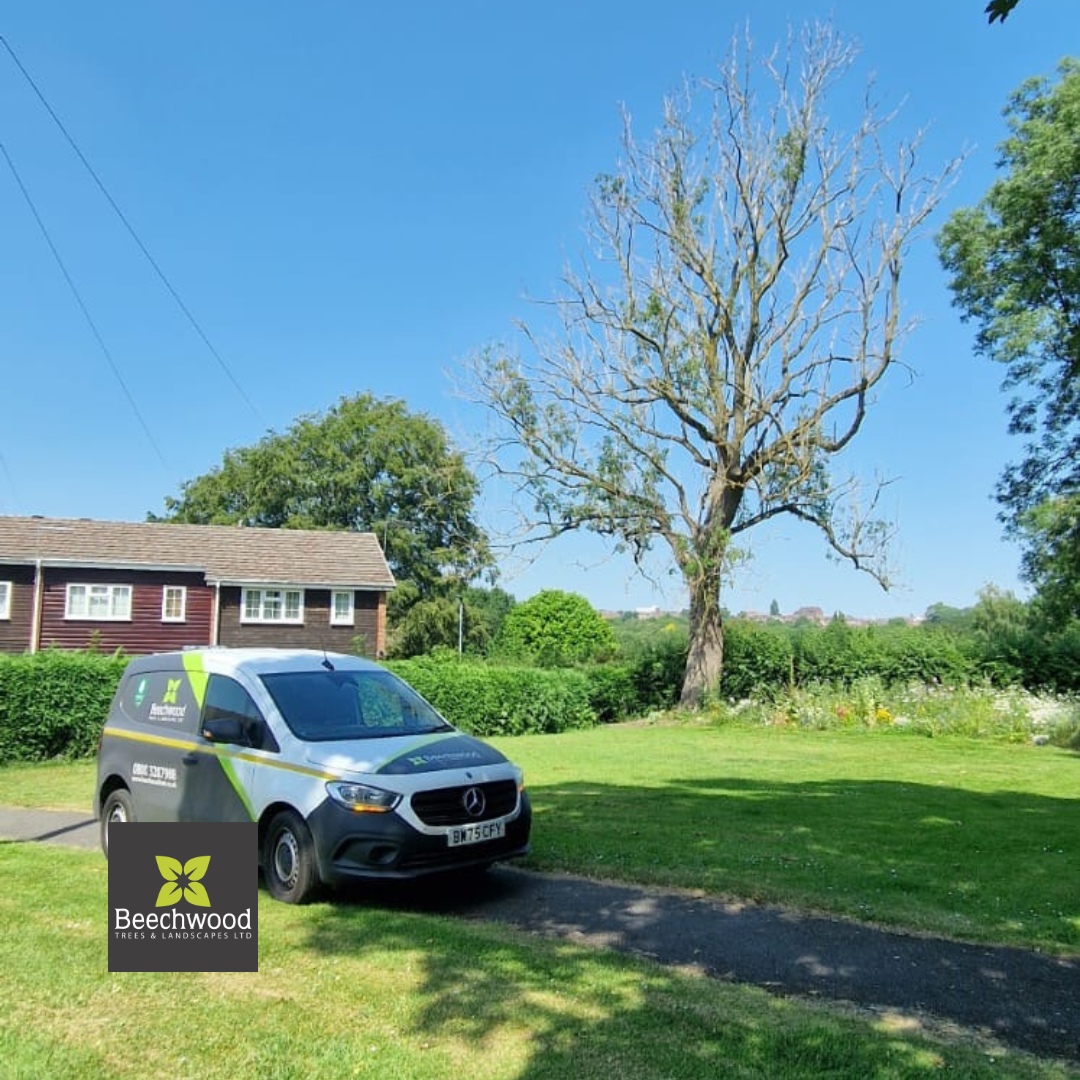
Our Contact Manager onsite filling out a quote
Every tree tells a story.
During a site inspection, an experienced arborist will assess a range of factors, including:
Deadwood
Structural defects
Cavities or decay
Cracks and weak unions
Root disturbance
Signs of pests or disease
Previous pruning quality
Storm damage
Site access
Targets beneath the tree, such as buildings, vehicles, footpaths or roads
Understanding these factors allows informed decisions to be made about the safest and most appropriate management options.
Common Tree Management Solutions
Following an inspection, several management options may be recommended depending on the condition of the tree.
Deadwood Removal
Removing dead or damaged branches reduces the likelihood of branch failure while helping maintain the tree's overall condition.
Crown Lifting
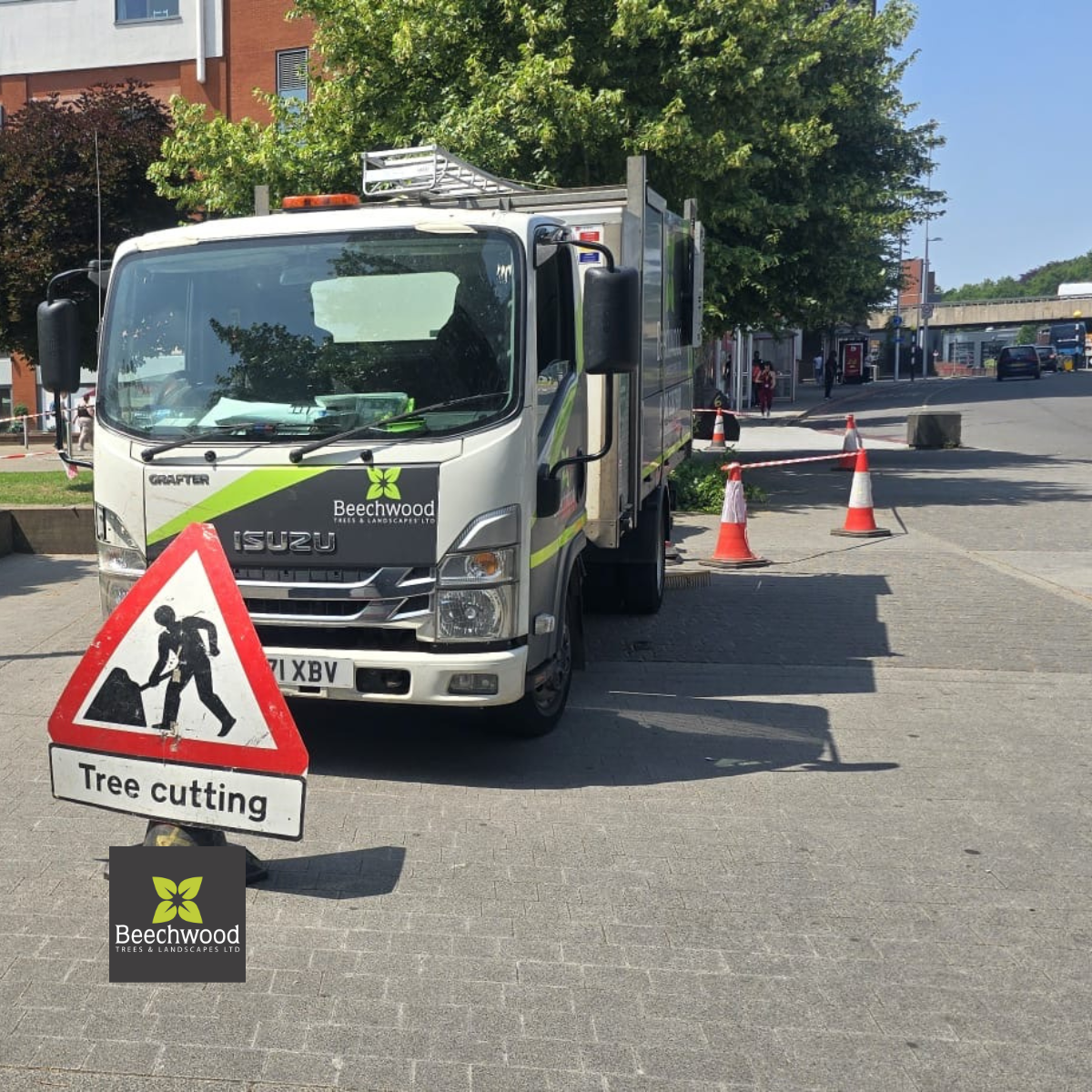
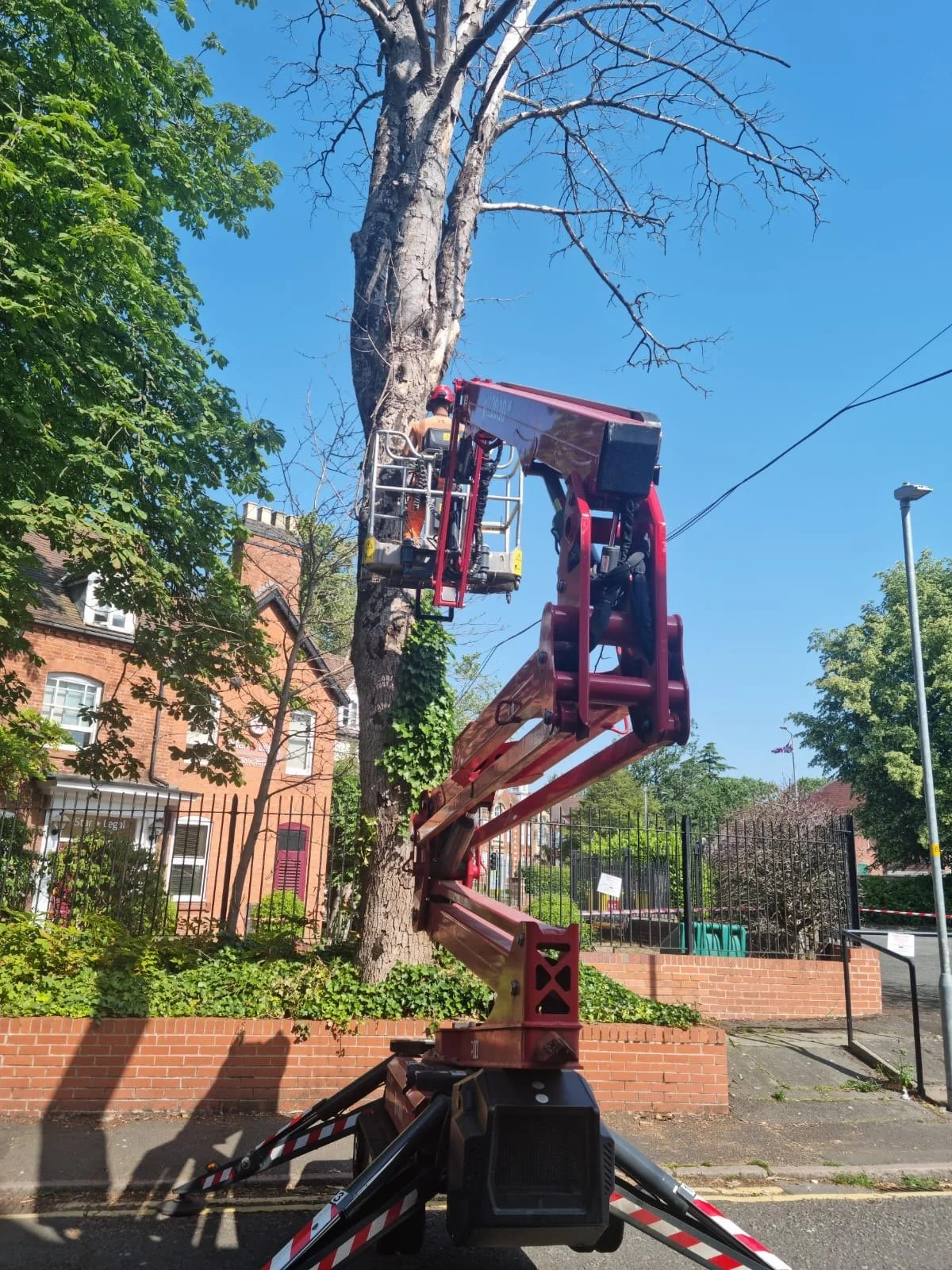
Beechwood team onsite carrying out a crown lift to improve visibility for CCTV monitoring.
Crown lifting removes selected lower branches to improve clearance over roads, footpaths, CCTV cameras, car parks, and pedestrian routes.
It is commonly used by local authorities, commercial property owners, and facilities managers to improve visibility while retaining the tree.
Crown Reduction
Where appropriate, reducing the size of the crown can lessen loading on the tree while maintaining its natural shape and long-term health.
Tree Removal
Sometimes a tree has reached the point where removal is the safest option.
Professional dismantling techniques allow trees to be removed safely, even in confined spaces or sensitive environments where buildings, roads, memorials, or utilities are nearby.
Once removed, many clients also choose to have the remaining stump ground out, leaving the area ready for future use.
Why Regular Tree Inspections Save Money
Many tree defects develop gradually.
Small issues identified during routine inspections can often be managed through relatively straightforward maintenance.
If left unnoticed, however, they can become more complex, more expensive to rectify, and potentially create avoidable safety risks.
A planned inspection programme can help:
Reduce unexpected tree failures
Protect people and property
Extend the lifespan of healthy trees
Minimise emergency call-outs
Budget for future maintenance
Demonstrate responsible tree management
Environmental Factors Also Matter
Tree condition isn't influenced by age alone.
Periods of prolonged drought, high winds, storms, and extreme temperatures can all affect tree health over time.
Understanding how weather impacts trees helps property owners recognise when additional inspections may be appropriate following unusual weather events.
Check out our blog How Does Heatwave Affect Trees in the UK? for more information
Safety Starts Long Before Work Begins
Every commercial project begins with careful planning.
Before any work takes place, our Contract Managers assess:
Site access
Pedestrian movements
Vehicle movements
Underground and overhead services
Environmental considerations
Working at height requirements
Traffic management requirements
This ensures work can be completed safely while minimising disruption to businesses, staff, visitors, and the public.
Our climbing teams also undertake regular rescue training, ensuring they're prepared to respond safely when working at height.
Supporting Commercial Sites All Year Round
Tree risk management is often just one part of maintaining a commercial site.
Many organisations combine scheduled tree inspections with wider landscape and vegetation management to keep their sites safe, compliant, and well-presented throughout the year.
Why Choose Beechwood?
At Beechwood Trees and Landscapes, we support commercial clients across the UK with professional arboricultural services tailored to their sites.
Whether you manage a school, business park, retail development, local authority estate, industrial facility, or housing development, our experienced team can help you identify potential risks and recommend practical management solutions.
From routine inspections through to large-scale tree works, we deliver safe, professional solutions designed around your operational needs.
Arrange a Commercial Tree Inspection
If you're responsible for managing trees on commercial land, regular inspections are one of the most effective ways to reduce risk and protect your site.
Contact our team today to arrange a site visit and discuss your tree management requirements.
