
The Impact of Heavy Rainfall on Tree Stability
The UK has experienced over 40 consecutive days of winter rainfall. Heavy rainfall is becoming more frequent across the UK, and while trees need water to thrive, prolonged or intense downpours can significantly affect their stability. What many people don’t realise is that the real risk often lies beneath the surface.
How Heavy Rain Affects Tree Roots
Tree roots rely on oxygen in the soil to stay healthy. When the ground becomes saturated for extended periods, oxygen levels drop. This can weaken root systems, reduce anchorage, and make trees more vulnerable to movement.
In extreme cases, waterlogged soil can lead to:
Root rot and fungal infection
Reduced nutrient uptake
Softened ground that cannot firmly hold roots in place
When strong winds follow heavy rain, trees are far more likely to lean, partially uproot, or fall.
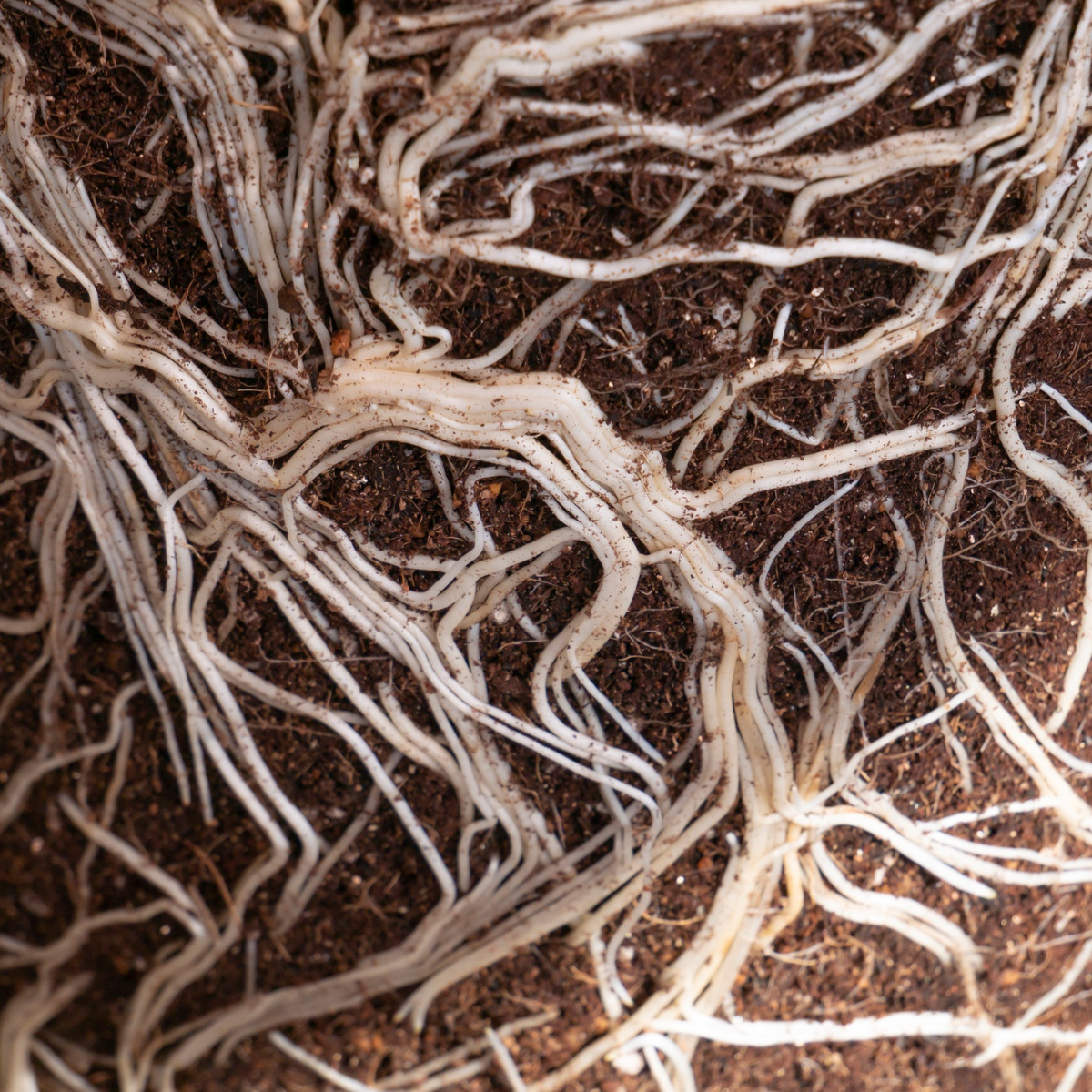
Image of root rot, showing decayed roots and soil deterioration
Soil Saturation and Windthrow
One of the biggest dangers after prolonged rainfall is windthrow. This happens when a tree is blown over because the soil around the roots has become unstable. Even healthy trees can fail if the ground is too saturated to provide support.
Signs of potential instability include:
Fresh cracks in the soil around the base
Leaning trunks
Raised or lifted root plates
Exposed roots
If you notice any of these signs, it’s important to seek professional advice promptly.
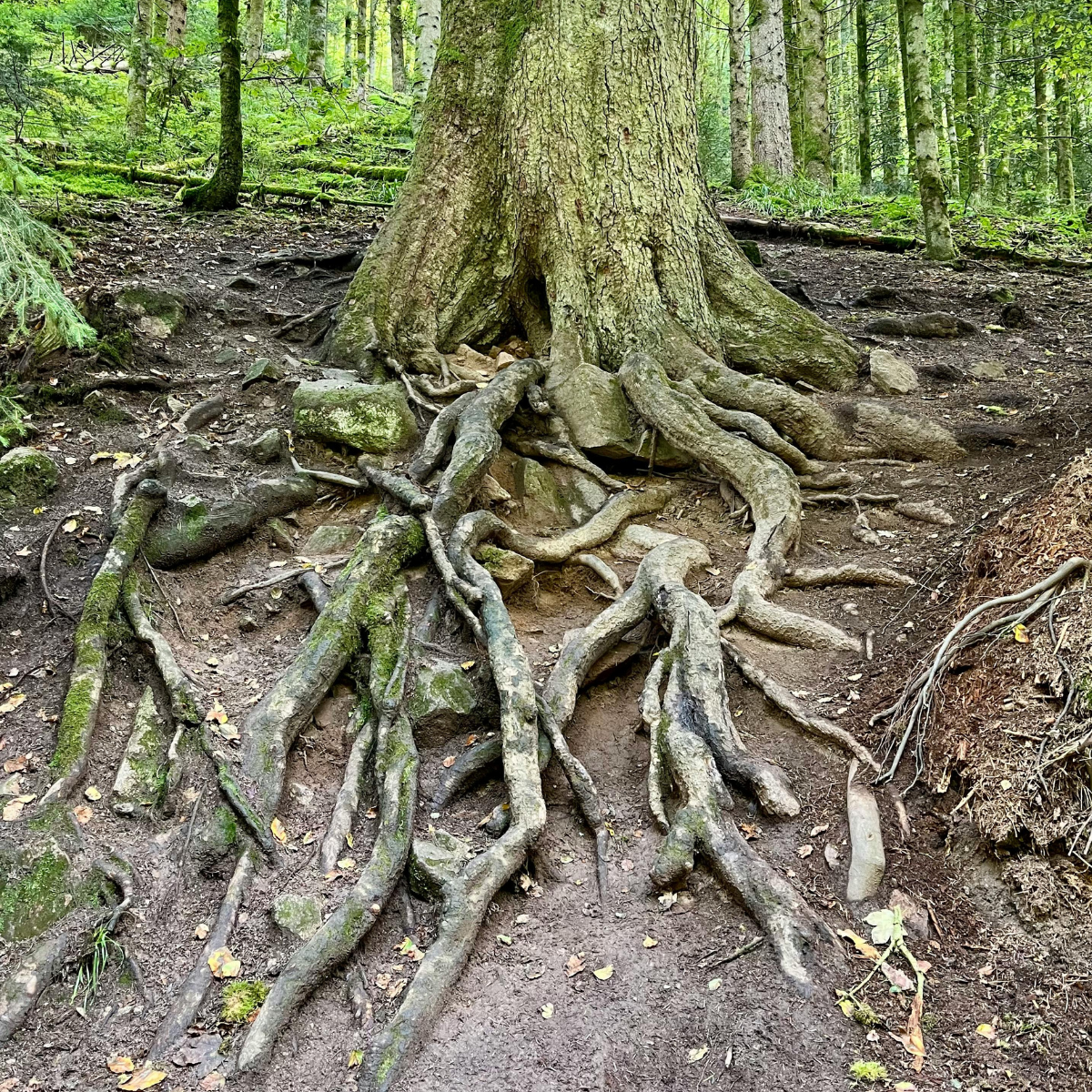
Exposed roots are visible at the soil surface
The Hidden Long-Term Effects
Heavy rainfall doesn’t just create immediate risk. Over time, repeated waterlogging can weaken overall tree health, making trees more susceptible to disease, decay, and structural failure. Compacted soils, particularly in urban areas or public parks, can make the situation worse by preventing proper drainage.
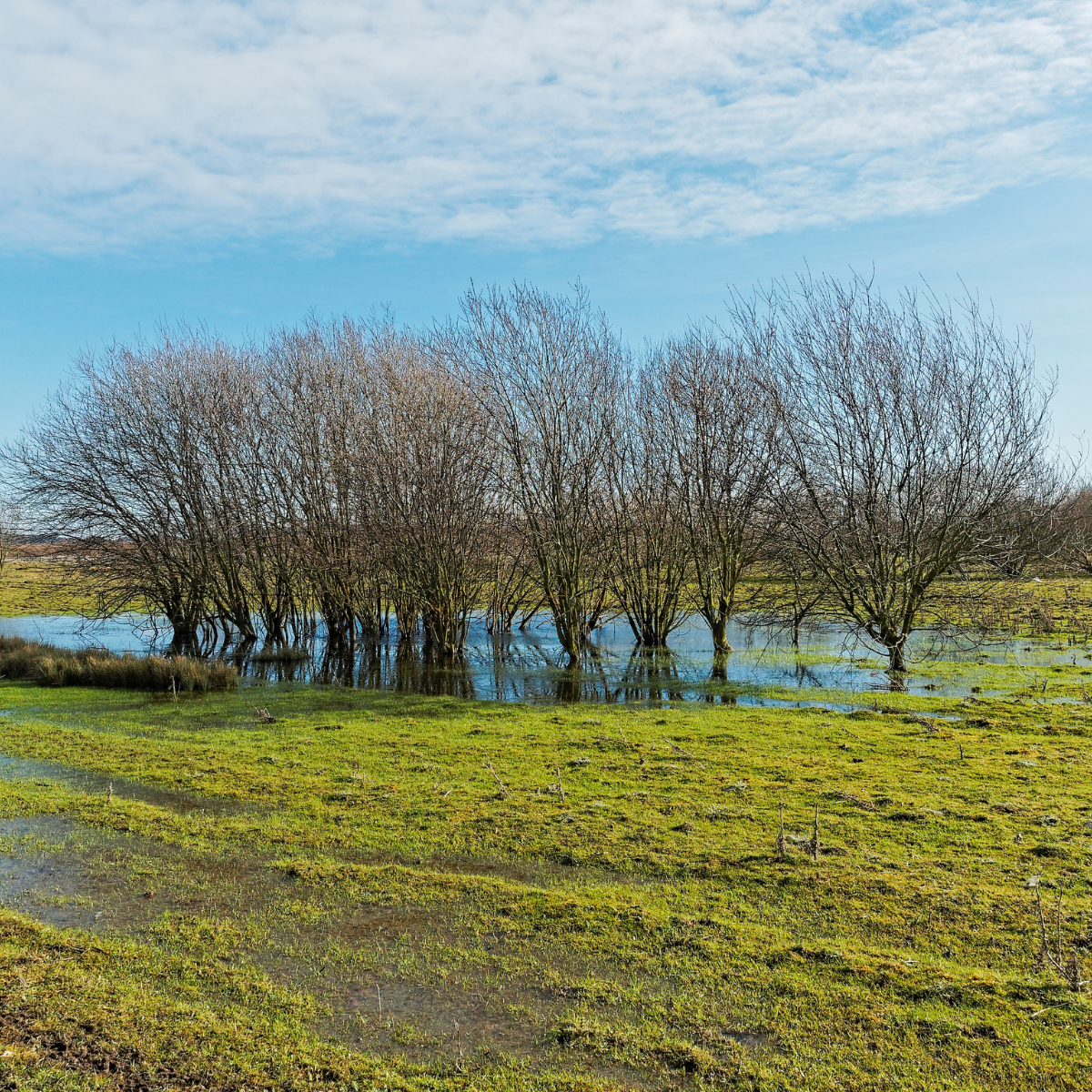
A heavily waterlogged field severely disrupting the health and stability of the surrounding trees.
Protecting Trees During Wet Periods
While we can’t control the weather, we can manage risk.
Improve drainage where possible
Avoid compacting wet soil with heavy machinery
Schedule inspections after major storms
Address deadwood or structural weaknesses before bad weather hits
Regular tree inspections are especially important in public spaces, commercial sites, and areas close to buildings or footpaths.
Staying Proactive
Heavy rainfall may seem harmless compared to high winds, but it plays a major role in tree stability. Proactive maintenance and early assessment can prevent emergencies and ensure trees remain safe, healthy, and secure throughout the changing seasons.
If you’re concerned about a tree following heavy rain, a professional inspection can provide peace of mind and reduce potential risk.
