
Diseased, Dying or Dangerous: What Are the 3 Ds in Tree Surgery?
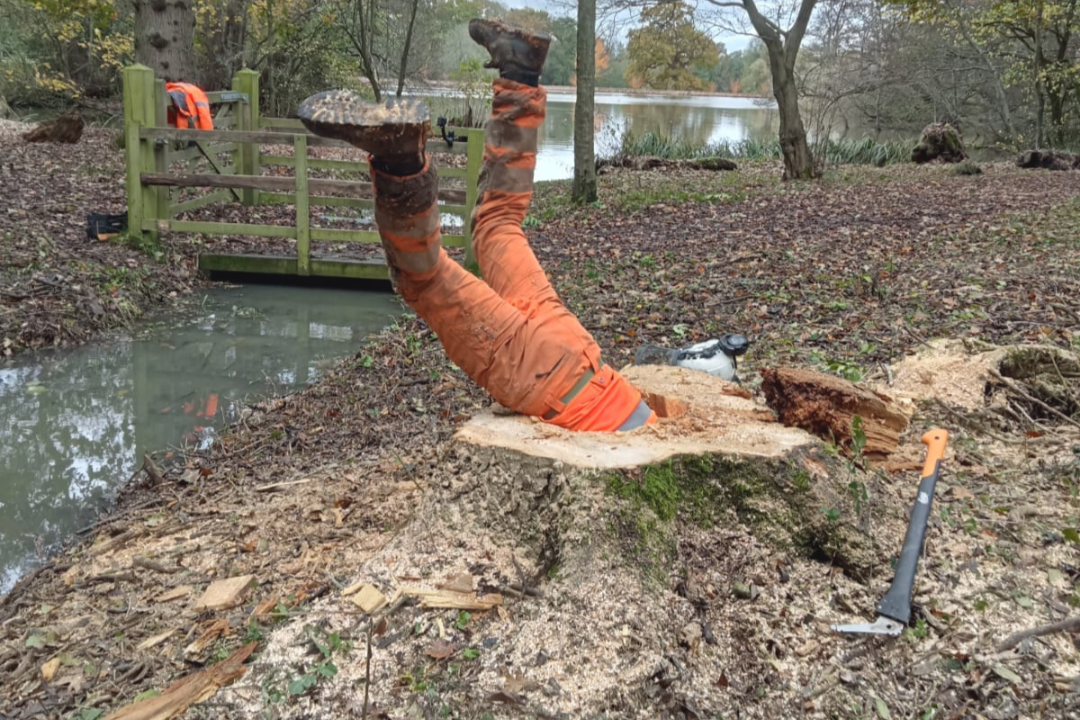
When it comes to tree surgery, you may have heard arborists refer to the “3 Ds”: diseased, dying and dangerous.
These three terms are often used when assessing the condition and safety of a tree. They can indicate that a tree requires closer inspection, remedial work or, in some circumstances, removal.
However, being described as diseased, dying or dangerous does not automatically mean that a tree needs to be felled.
Every tree needs to be assessed individually, taking into account its condition, location, surroundings and the potential risk it presents.
What Are the 3 Ds in Tree Surgery?
The 3 Ds refer to:
Diseased – the tree is affected by a disease or significant health problem.
Dying – the tree is in decline and losing its ability to remain healthy and vigorous.
Dangerous – the tree, or part of it, presents an unacceptable risk due to structural defects, instability or its surroundings.
These categories can overlap. For example, a disease may weaken a tree, which can contribute to deadwood or structural failure and ultimately increase the risk it presents.
This is why professional tree inspections are important. An arborist needs to understand not just what is wrong with a tree, but what that means for its safety, longevity and the environment around it.
1. Diseased Trees
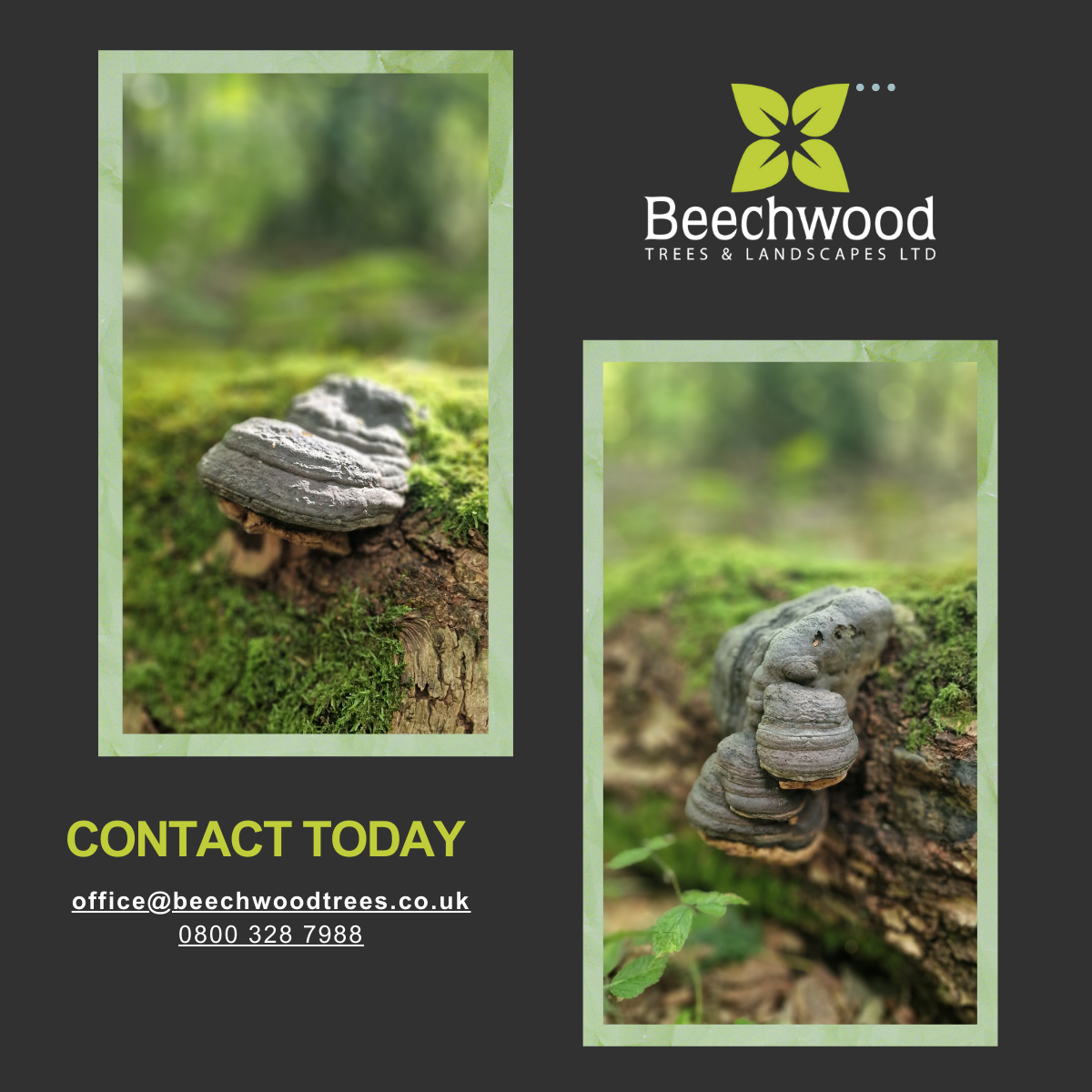
Hoof fungus is a wood-decaying fungus that breaks down the tree’s internal wood, potentially weakening its structure over time.
Trees, like all living organisms, can be affected by disease.
Some tree diseases can cause visible symptoms such as changes in leaf colour, premature leaf loss, fungal growth, dead branches, lesions, cavities or areas of dieback. Other problems may be less obvious and require closer inspection to identify.
The presence of disease does not necessarily mean that a tree needs to be removed.
The impact of the disease needs to be considered alongside the species, age, condition and location of the tree. Some trees can continue to provide significant environmental and ecological value even when affected by disease.
Depending on the circumstances, appropriate management could include monitoring, pruning, reducing the crown or removing affected material.
In other situations, where disease has significantly compromised the tree and created an unacceptable risk, removal may be recommended.
2. Dying Trees
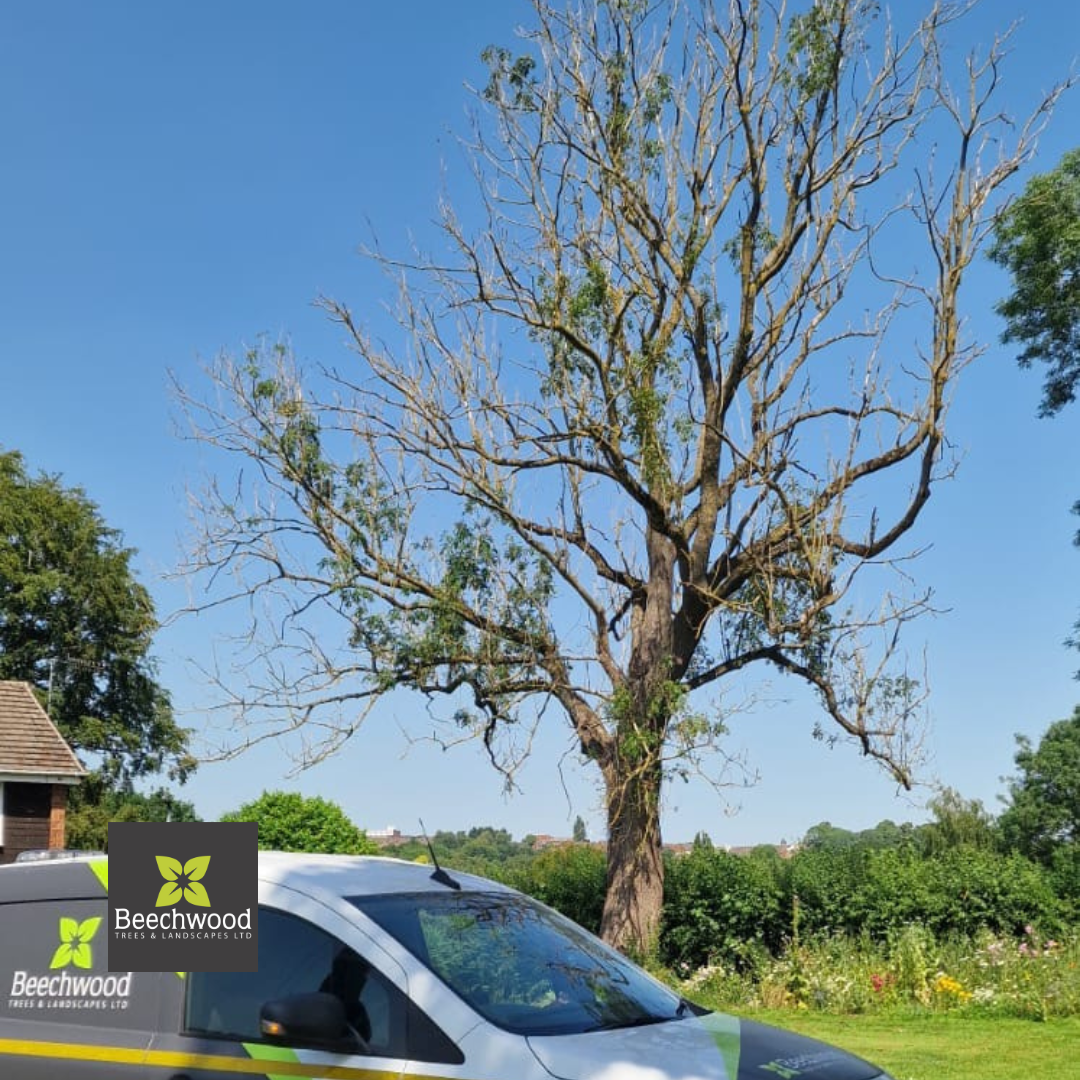
A dying tree is experiencing significant decline and is losing its ability to maintain healthy growth.
Signs can include:
Significant crown dieback
Large amounts of deadwood
Poor or reduced leaf growth
Fungal growth
Dead or declining branches
Damage to the trunk or major limbs
A noticeable reduction in overall vitality
However, it is important to understand that a tree in decline is not automatically a dangerous tree.
Some trees can remain standing for many years while declining, and dead or veteran trees can provide valuable habitats for insects, birds, bats and fungi.
Where safety allows, retaining some deadwood or standing dead trees can therefore be an important part of biodiversity management.
The question is not simply whether a tree is dying. It is whether the tree's condition creates a level of risk that needs to be managed.
3. Dangerous Trees
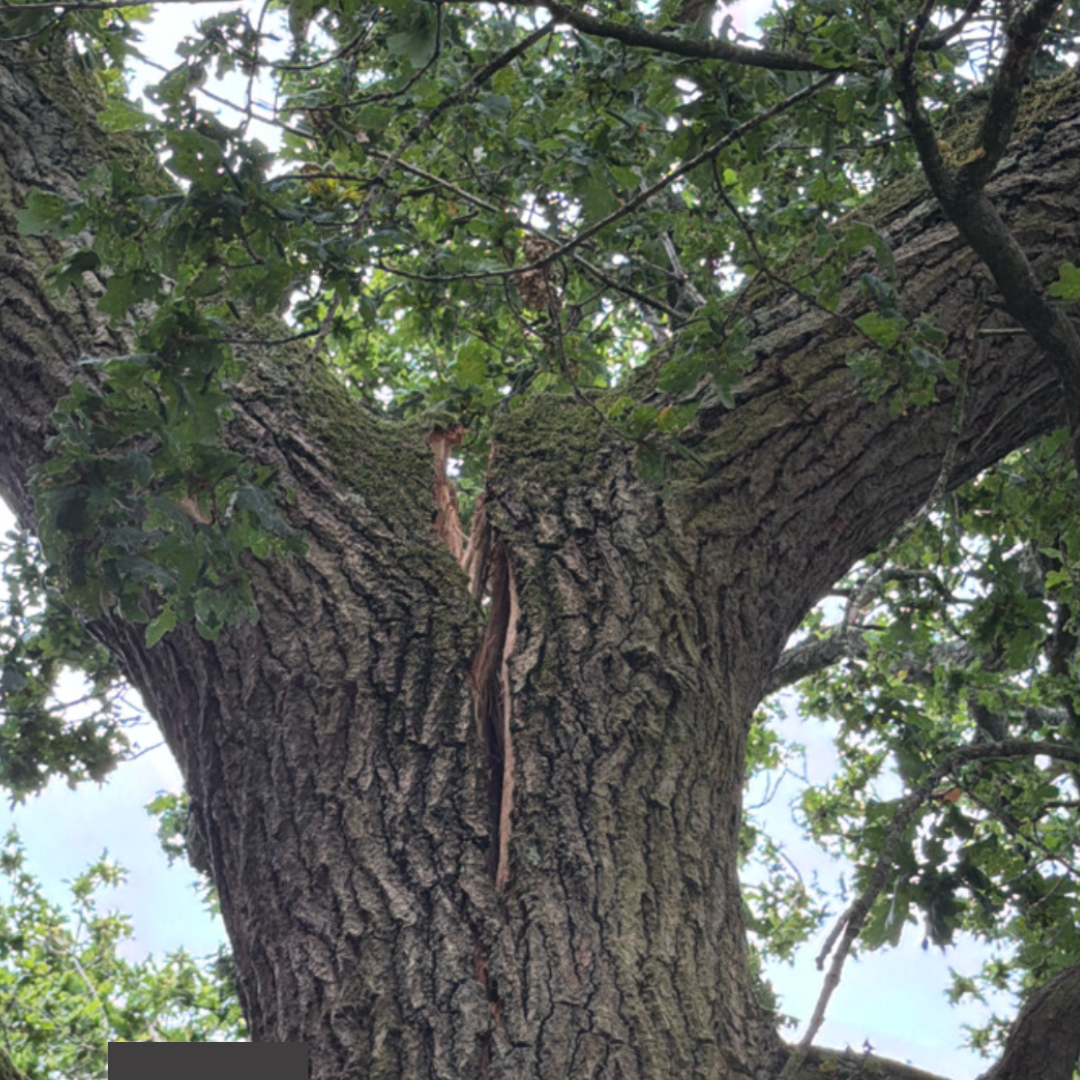
A significant split through the middle of a tree can weaken its structure and increase the risk of failure, making professional assessment essential. 🌳
Of the 3 Ds, “dangerous” is perhaps the most important from a tree safety perspective.
A tree may be considered dangerous where its condition creates an unacceptable risk of failure, particularly where people, buildings, roads, vehicles or other valuable assets could be affected.
Potential warning signs can include:
Significant cracks or splits
Large dead or broken branches
Extensive decay
Structural defects
Root damage or instability
Significant leaning combined with other defects
Major branch unions that appear compromised
Signs of recent failure or movement
A good example is a tree that has developed a significant split through its main stem or a major union.
A split does not automatically mean that the entire tree is dangerous, but it is something that should be assessed by a competent professional.
The location of the defect is particularly important. A defect over a frequently used footpath, road or building may present a very different level of risk from the same defect in an isolated area.
Does a Diseased, Dying or Dangerous Tree Have to Be Removed?
No.
This is one of the most important things to understand about the 3 Ds.
Tree surgery is not simply about removing trees that are old, diseased or declining. Good arboricultural management considers whether a tree can be retained safely and what measures could reduce the associated risks.
Depending on the individual tree, management could include:
Monitoring its condition
Removing specific dead or damaged branches
Crown reduction
Crown thinning
Removing a hazardous limb
Installing appropriate support systems where suitable
Creating a management plan
Sectional felling or removal where necessary
The correct option depends on the individual circumstances.
What Should You Do If You Think Your Tree Is Dangerous?
If you notice something unusual about a tree, don't attempt to diagnose or deal with the problem yourself.
Changes such as a significant crack, split, sudden dieback, fallen branches or changes in the ground around the tree should be taken seriously.
The best course of action is to arrange an assessment from a qualified arborist.
They can inspect the tree and consider factors such as:
Tree condition: What defects, diseases or signs of decline are present?
Tree location: What is around the tree, and could people or property be affected if part of it failed?
Likelihood of failure: How likely is the defect to result in branch or tree failure?
Consequences of failure: What could happen if the tree or part of it failed?
Management options: Can the tree be retained safely, or is further work required?
This approach allows decisions to be based on the actual risk rather than simply assuming that a tree with a defect needs to be removed.
What About Deadwood and Wildlife?
One of the reasons the 3 Ds can be misunderstood is that deadwood isn't necessarily a problem.
Dead and decaying wood can provide important habitat for fungi, insects, birds and other wildlife. Veteran and mature trees can also have significant ecological value, even when they contain areas of decay or deadwood.
Where there is no unacceptable safety risk, retaining suitable deadwood can therefore form part of responsible tree management.
Where deadwood is located above a busy area or presents a safety concern, however, removal may be appropriate.
This is where professional judgement becomes important: the aim is to balance tree safety, tree health and biodiversity rather than automatically removing anything that looks unhealthy.
What If the Tree Has a Tree Preservation Order?
If a tree is protected by a Tree Preservation Order (TPO), or is located within a conservation area, additional considerations may apply before certain tree works can be carried out.
A TPO is a legal protection placed on a tree by a local planning authority because of its amenity value.
You should therefore check whether a tree is protected before arranging works.
Even where a tree is considered unsafe, the appropriate process should be followed and the relevant local authority may need to be involved.
The 3 Ds: A Starting Point, Not a Verdict
Diseased, dying and dangerous are useful terms when discussing tree condition, but they should not be treated as an automatic checklist for tree removal.
A diseased tree may still be capable of being retained.
A dying tree may still provide valuable habitat.
A tree with a defect may not necessarily present an unacceptable risk.
The important question is what does the condition of the tree mean in its particular location?
Professional tree surgery is about making informed decisions that balance safety, tree health, environmental value and the needs of the surrounding site.
If you are concerned that a tree on your property is diseased, dying or potentially dangerous, don't wait for the problem to become an emergency. Arrange a professional assessment so that the condition of the tree can be properly understood and the appropriate management options considered.
Need Advice About a Tree?
Beechwood Trees and Landscapes provides professional tree surgery and arboricultural services across Coventry, Rugby, the West Midlands and beyond.
If you're concerned about a tree's condition, our team can assess the tree and advise on the most appropriate course of action.
