
Bonfire Night brings fireworks, bonfires and plenty of activity outdoors, but the impact does not necessarily end when the display is over.
From wildlife sheltering inside bonfires to smoke, noise and firework debris left behind, there are a few things worth thinking about before lighting the fire or setting off the first firework.
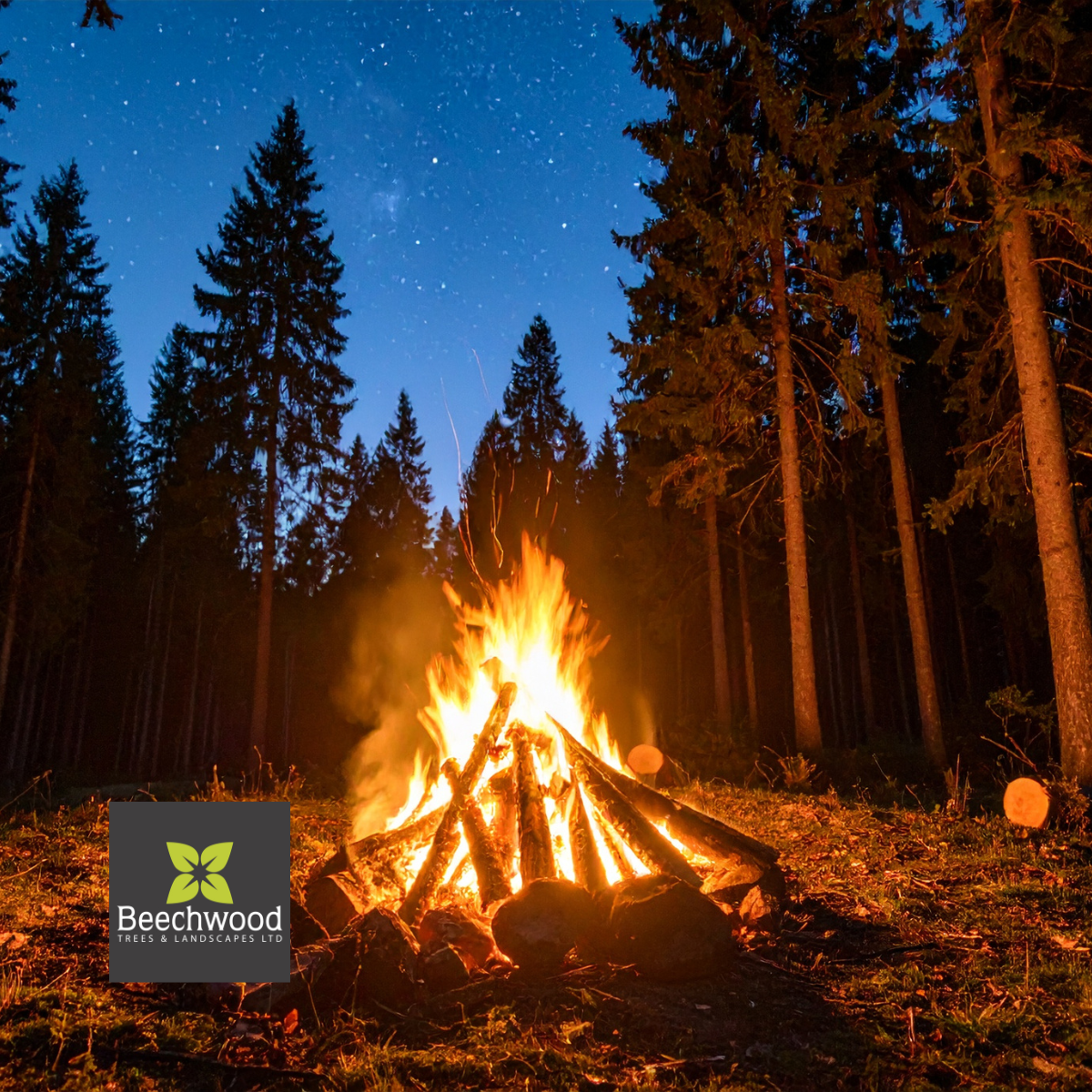
Check Bonfires Before Lighting Them
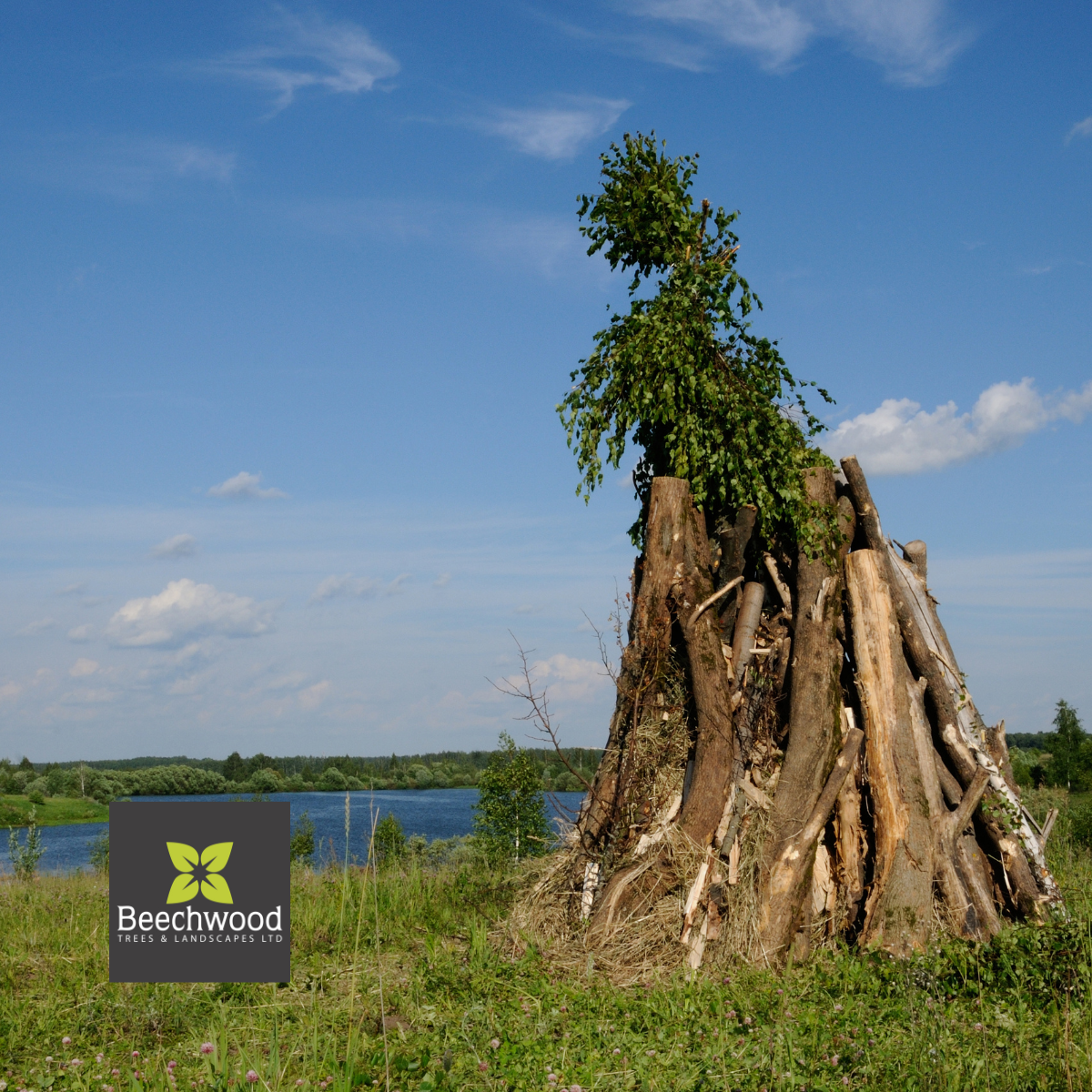
Bonfires can often look like animal habitats, especially if they have been set up in advance of the fire.
One of the biggest risks to wildlife comes before the bonfire has even been lit.
A pile of logs, branches and leaves can look like the perfect shelter to animals such as hedgehogs, frogs, toads and insects. The longer a bonfire is left standing before Bonfire Night, the more opportunity wildlife has to move in. The RSPCA recommends building bonfires on the day where possible and thoroughly checking them before they are lit.
If a bonfire has already been built, carefully checking and moving the materials before lighting can give any animals hiding inside a chance to escape.
The Fire Might Be Finished, but the Heat Isn’t
Once the flames have died down, it can be easy to assume the bonfire is finished.
However, ash and embers can remain hot after the event, and larger bonfires can continue to hold heat for some time. Leaving the site while it is still hot can create a risk to wildlife and the surrounding area.
The fire should be completely extinguished and the area checked before it is left unattended.
Smoke and Air Quality
Bonfires also have an impact on the air around them.
Burning wood and other solid materials releases particulate matter into the air, while wet wood generally produces more smoke than dry wood. Government guidance for community bonfires advises using visibly clean wood and avoiding painted, treated or chemically preserved timber.
That is also why it matters what goes onto a bonfire. Plastics, rubber, painted materials and household waste should not simply be added to the pile.
A cleaner bonfire starts with knowing what you are actually burning.
Fireworks Leave More Than a Flash Behind
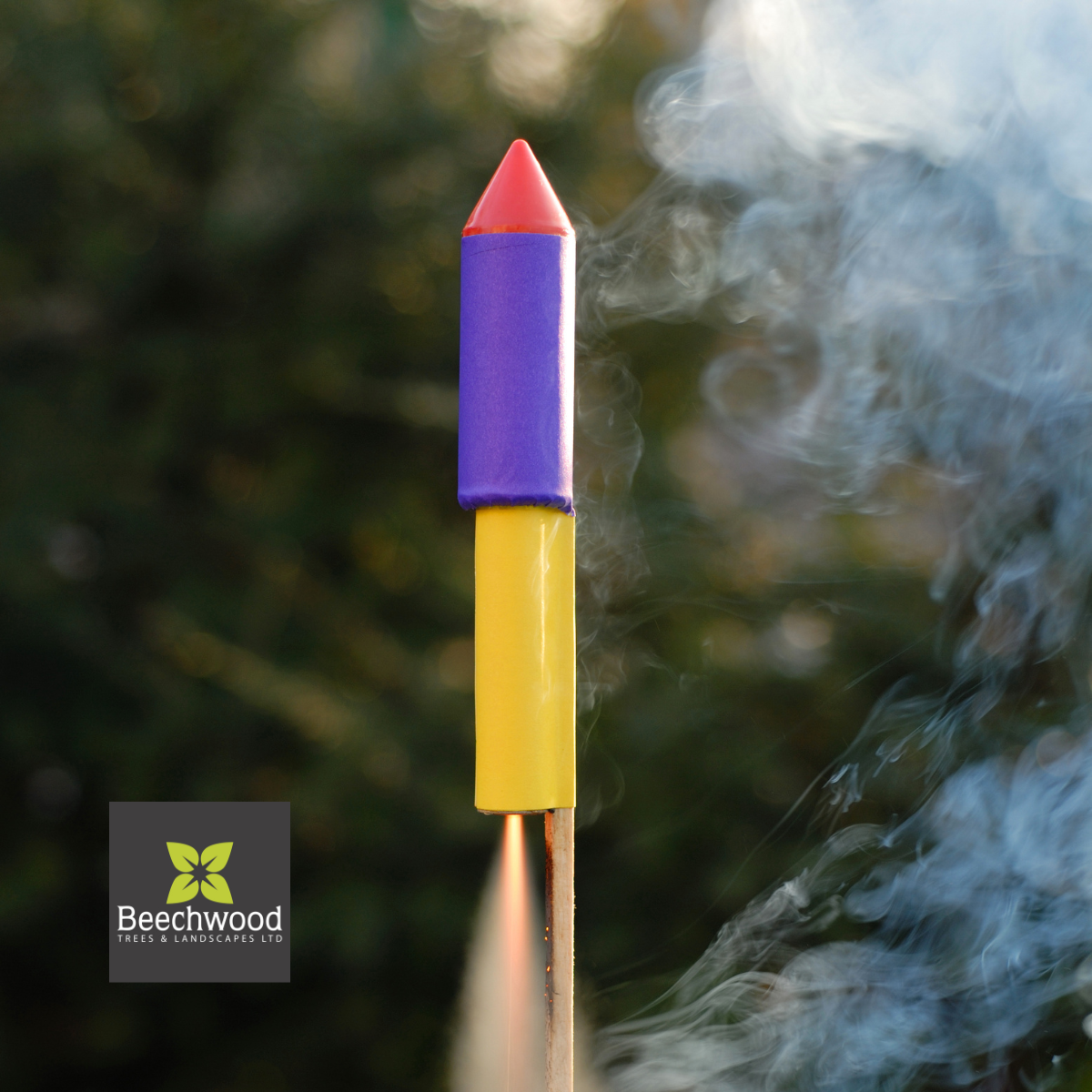
Fireworks may disappear within seconds, but parts can still end up on the ground afterwards.
Spent fireworks, packaging and other debris should be collected once everything has cooled and disposed of properly. Government advice recommends soaking spent fireworks and debris before disposal rather than leaving them scattered around gardens, parks or other outdoor spaces.
The RSPCA also warns that discarded firework debris can injure wildlife if it is left behind.
A quick check of the area the following morning can make a real difference.
Think About the Noise Too

The environmental impact of Bonfire Night is not only about what is left on the ground.
The loud bangs and flashes from fireworks can disturb wildlife, particularly animals that are resting, feeding or roosting nearby. Birds may leave their roosts and mammals can be frightened into fleeing an area.
Where possible, keeping displays away from known wildlife habitats, trees used by roosting birds and areas with livestock can help reduce disturbance. Lower-noise alternatives are also available for those looking to celebrate with less impact.
Keep an Eye on Trees, Hedges and Dry Vegetation
Bonfires and fireworks both involve open flames, sparks and hot material, so where they are positioned matters.
Trees, hedges, dry vegetation and other habitats should be given plenty of space. The Environment Agency advises that the size and location of a bonfire should be appropriate so that the fire does not spread or create a risk to plants, animals, soil, water or the surrounding environment.
This is particularly important if conditions have been dry or the surrounding vegetation is easily combustible.
A Little Preparation Goes a Long Way
Bonfire Night can still be enjoyed without forgetting about the environment around us.
Before the evening starts:
Build or check bonfires as close to lighting time as possible.
Look carefully for wildlife before lighting.
Only burn appropriate, untreated materials.
Keep fires and fireworks away from trees, hedges and known habitats.
Make sure the fire is fully extinguished before leaving.
Clear up spent fireworks and other debris once everything has cooled.
Consider how noise may affect wildlife, pets and livestock nearby.
Most of these steps only take a few extra minutes, but they can help make Bonfire Night safer for the wildlife and green spaces we share.
This Guy Fawkes Night, enjoy the fireworks, but don’t forget to look at what is happening around them too.
