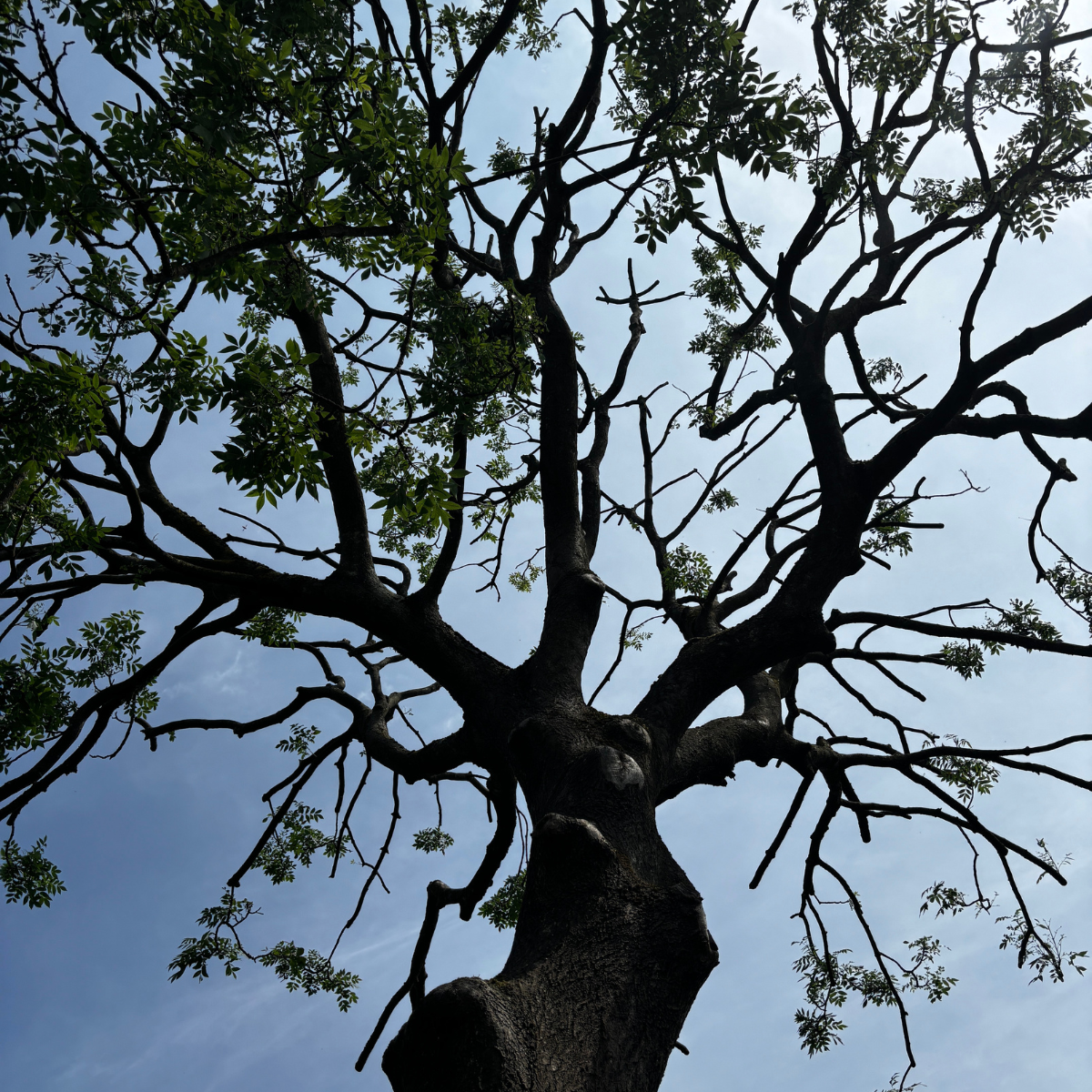
Subsidance

Can a tree contribute to subsidence?
Trees can contribute to subsidence, particularly when:
Large trees are growing close to buildings
Trees are taking significant moisture from the soil
The property is built on shrinkable clay soil
Dry weather causes the soil to shrink
Tree roots are growing beneath or close to foundations
Get in Touch
We’d love to hear from you! Whether you have a project in mind or need advice, we're here to help. You can reach us in two easy ways:
Signs to look out for
Cracks appearing in walls
Doors or windows sticking
Uneven or sloping floors
Changes to brickwork or masonry
Cracks becoming wider over time
A nearby tree doesn't automatically mean it's causing subsidence. Soil conditions, tree species, root growth and foundations all need to be considered.
How can Beechwood help?
We can provide professional arboricultural advice to help determine the appropriate course of action, which may include:
Tree assessment
Pruning
Monitoring
Root management
Tree removal, where appropriate
Testimonials
-
![Innovation Group logo with blue stylized lines and text.]()
"Beechwood complete a range of jobs for us every week, from small shrub removal to large complex jobs, without any hassle. Whenever we receive feedback from our customers regarding Beechwood’s staff, this is always positive. They clearly go that extra mile."
Paul Sampson, Environmental Services - Innovation Property (UK) Ltd
-
![Coventry University logo with a stylized bird in blue.]()
"Beechwood has now worked with Coventry University for a number of years and established themselves as a local company who can be relied upon to always deliver quality work on time and to schedule. Their knowledge of the profession and ability to be flexible in delivery has helped develop our green flag-winning campus."
Stephen Beasley, Coventry University
-
![Worcestershire County Council logo with a maroon background and white text]()
"I have used Beechwood for approximately eight years as the approved contractor of tree and landscaping services on behalf of Worcestershire schools. They provide sound advice, and safe, professional service. The operatives are courteous and adaptive to the changing situations that often occur in a school environment."
Sarah Breen, Worcestershire County Council
-
![Outco logo with bold dark blue letters.]()
"Thanks to Mark and his buddy on Saturday It was a big day and a lot was done and they could not of been more helpful a credit to your company and will have pleasure working with them in the future"
Andrew Tid, Landscape Oporations Manager - OUTCO