
Is Spring Arriving Earlier Than It Used To?
Every year we notice subtle signs that spring might be arriving sooner than it used to: birdsong earlier in the morning, daffodils pushing up through soil that should still be cold, or trees beginning to bud weeks ahead of schedule. But are these observations simply seasonal anecdotes, or is spring truly shifting earlier in the calendar? And what does that mean for trees, gardens and the work we do as arborists?
In this blog, we explore how seasonal change is trending in the UK, what science says about the timing of spring, and how gardeners and tree professionals can adapt to an earlier season.
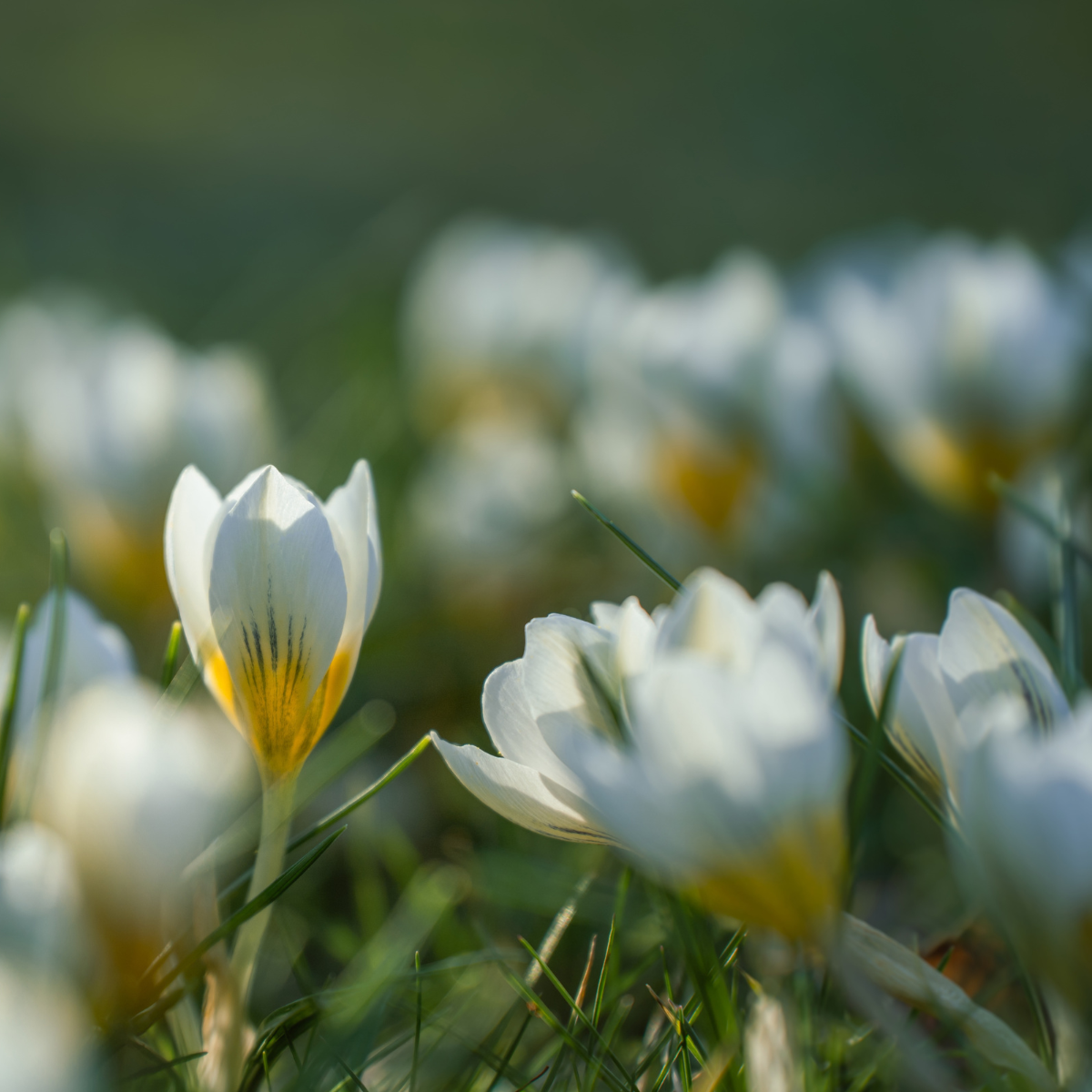
Flowers beginning to spring.
The Evidence: Spring Trends Over Time
Long-term weather records and ecological studies show that, in many parts of the UK, spring is arriving earlier on average than it did decades ago. Scientific indicators include:
Earlier first leaf-out dates
Sooner flowering of spring bulbs
Earlier emergence of insects
Warmer late-winter temperatures
These patterns have been tracked over years of climate data and biological observation, suggesting changes are more than just a one-off seasonal quirk.
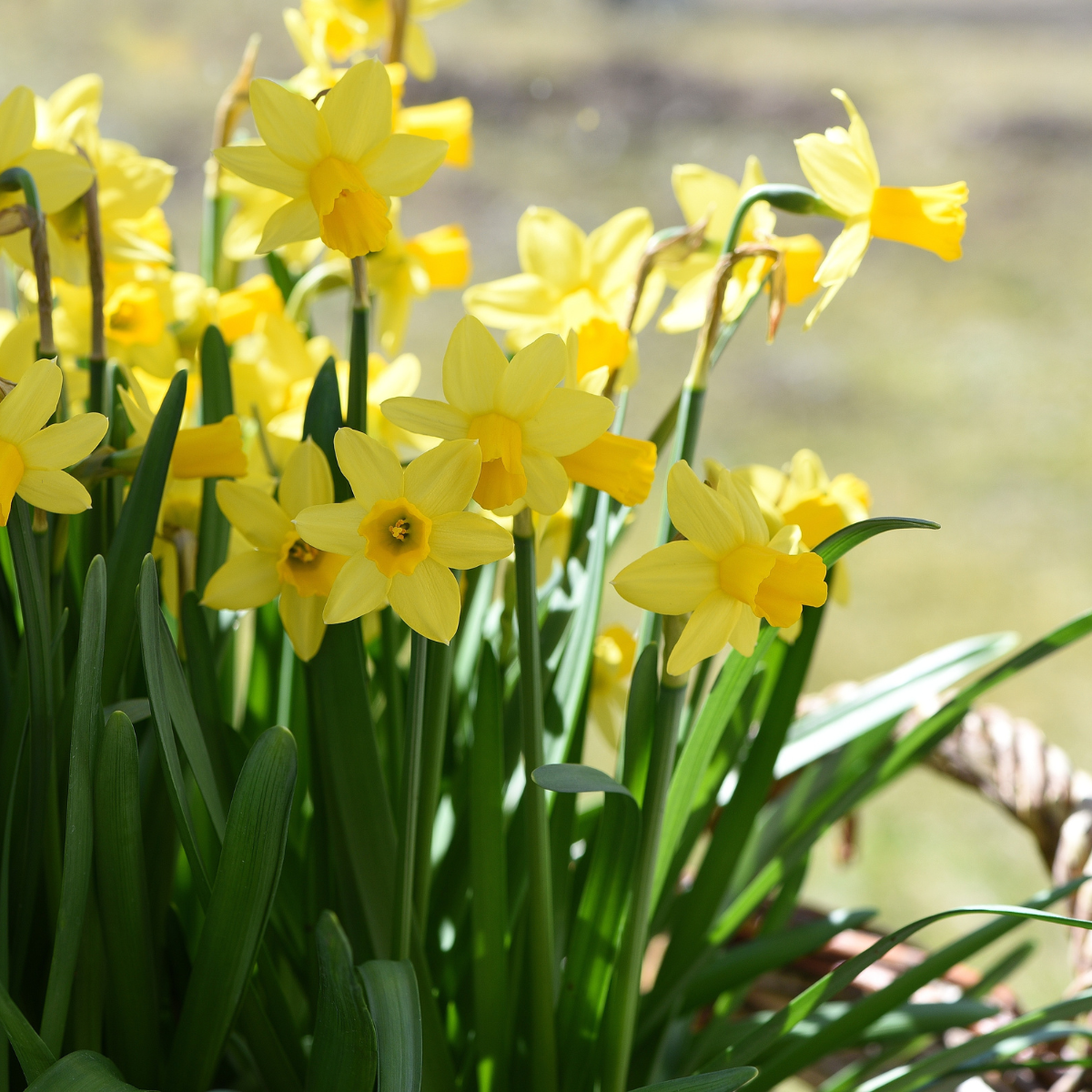
Daffodils standing strong in the spring.
Why Spring May Be Starting Sooner
Warmer Winters
Higher average winter temperatures mean dormant trees and plants receive fewer of the cold days they traditionally use to stay dormant. When warmer weather arrives earlier, biological processes begin sooner.
Shifting Climate Patterns
Changes in atmospheric conditions, more frequent mild spells and fewer prolonged cold periods can confuse the internal “clocks” of trees and plants, nudging them toward early activity.
Longer Growing Seasons
An extended growing season may seem beneficial, but it can also create stress for plants that rely on firm seasonal cues. Early growth followed by cold snaps can damage sensitive buds and shoots.
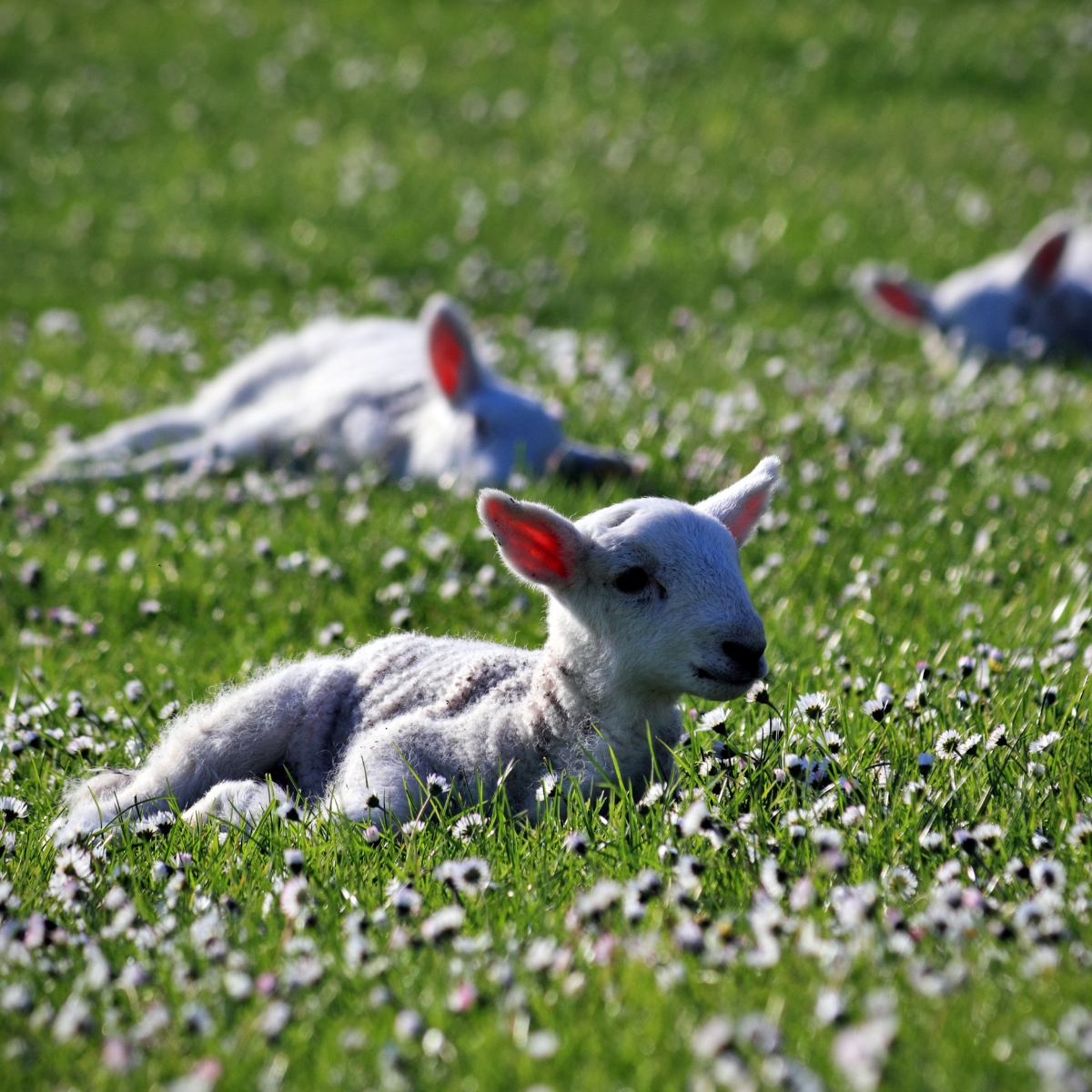
Three lambs laying down in the grass.
What This Means for Trees and Wildlife
Trees Bud and Leaf Out Sooner
Many species are pushing new growth earlier in the year. While this can result in a longer growing season, it also brings risks if late frosts occur after buds have formed.
Wildlife Schedules Shift
Insects, birds and mammals use environmental triggers to time their behaviour. If insects hatch early but birds haven’t yet migrated, food supply can be mismatched, creating stress for wildlife.
Garden and Landscape Impacts
For gardens and managed landscapes, the timing of fertilising, pruning and planting may change. Traditional schedules may no longer align with plant cycles.
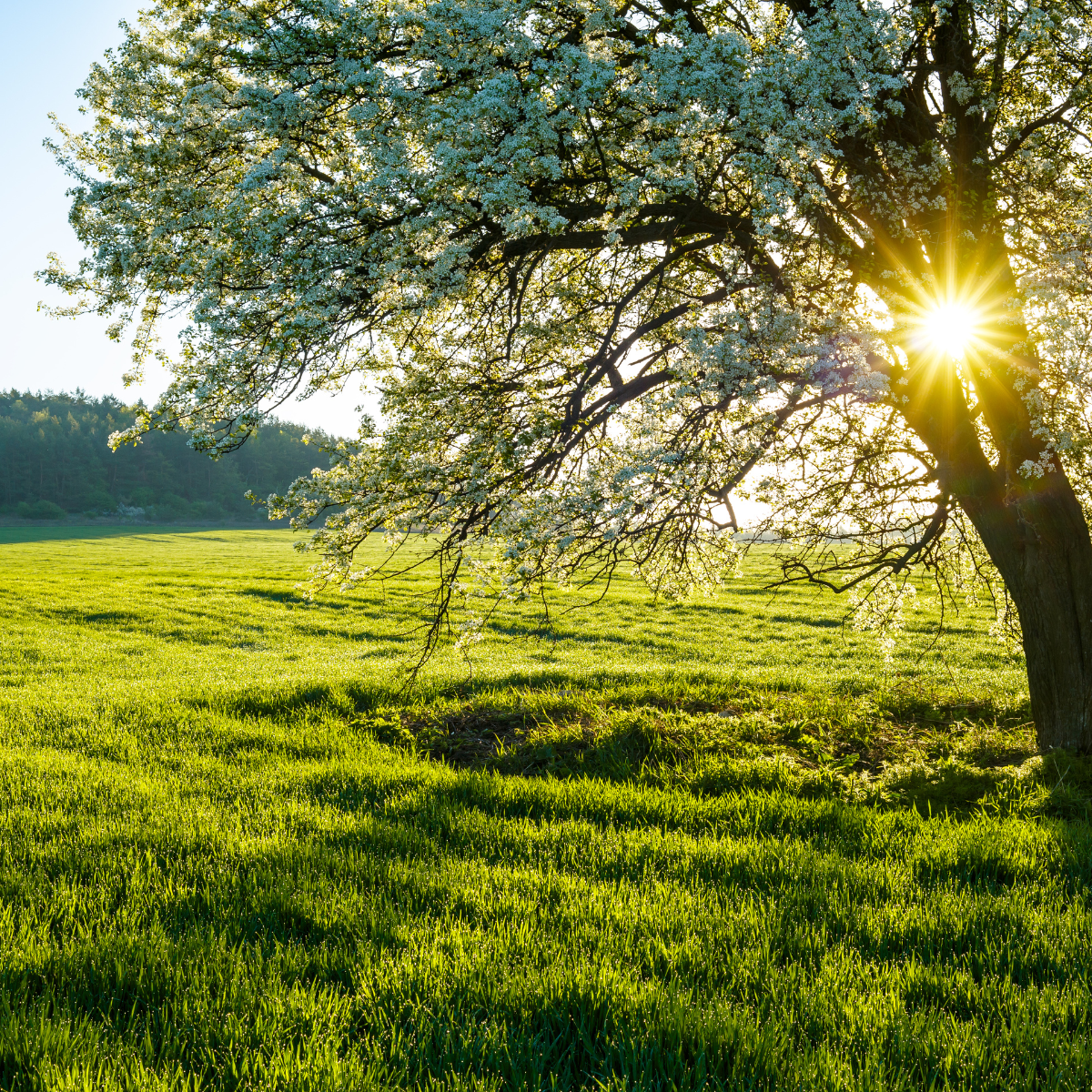
Aesthetic photo of a tree in the spring with the sun beaming from behind.
How to Prepare Your Garden and Trees
Check trees early for storm damage
Frozen soil and winter storms can weaken structure, and early leafing makes issues more obvious sooner.
Delay major pruning until true dormancy ends
Doing work too early risks cutting away emerging buds.
Plan planting for optimal soil and root conditions
Monitor soil temperature and moisture, not just the calendar.
Watch for pest and disease signs earlier
Longer warm periods can allow pests to emerge earlier in the year.
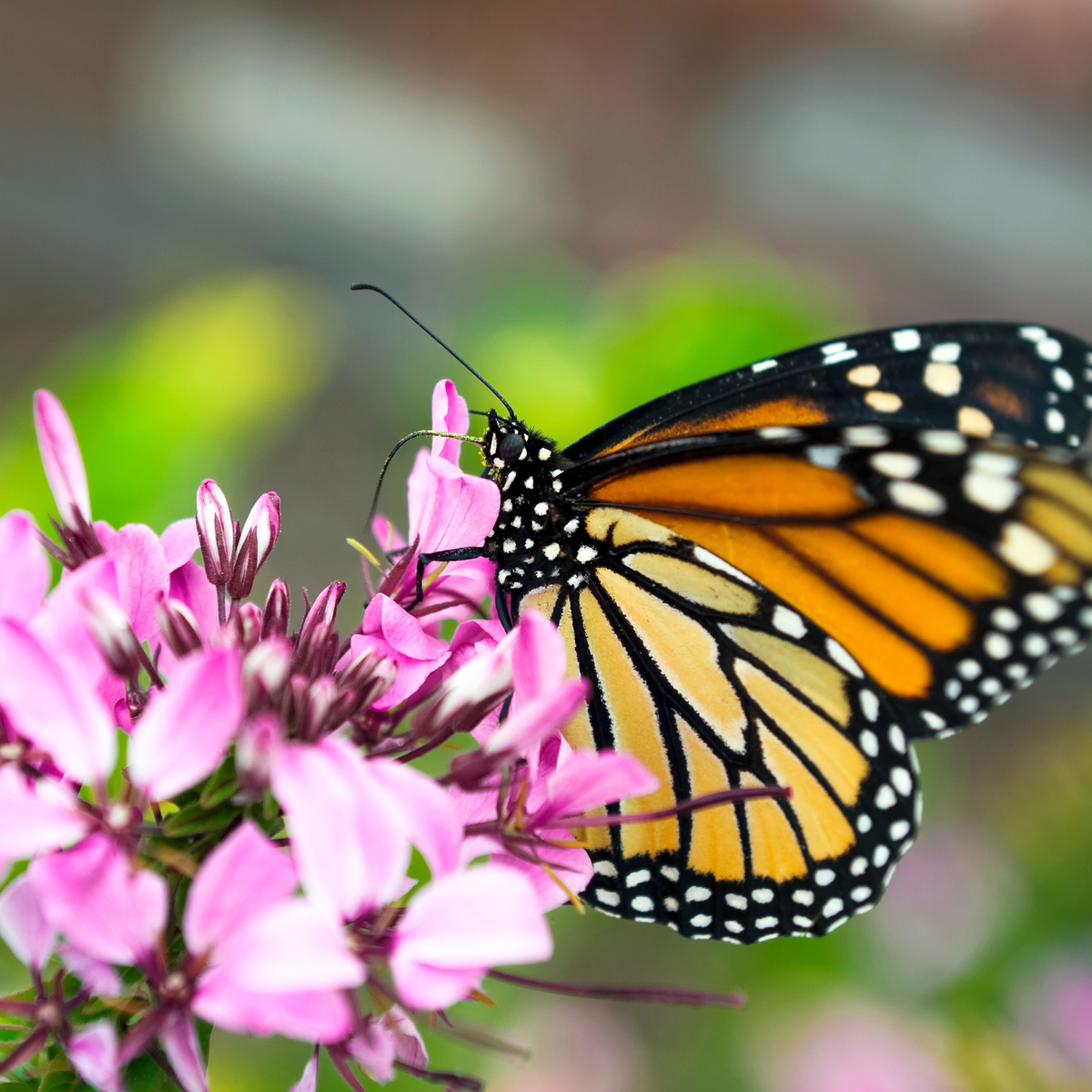
Butterfly collecting nectar from pink flowers.
Looking Ahead
Whether or not spring arrives earlier every year, the trend challenges us to rethink how we care for gardens and trees. By observing seasonal cues, not just dates, you can give your landscape the best start to the growing season, no matter when it begins.
If you’d like help planning tree care or garden work around seasonal change, our team is here to assist you with expert advice and practical support.
