
How Tall Do Conifer Trees Grow?
A Practical Guide for UK Gardens and Landscapes
Conifer trees remain a popular choice across the UK thanks to their evergreen screening, fast growth, aesthetic appeal, and relatively low maintenance. They are widely used for privacy hedges, windbreaks, and woodland planting.
However, one factor often overlooked is just how tall conifers can grow. Understanding their growth potential is essential to avoid future problems with neighbours, property boundaries, or local regulations.
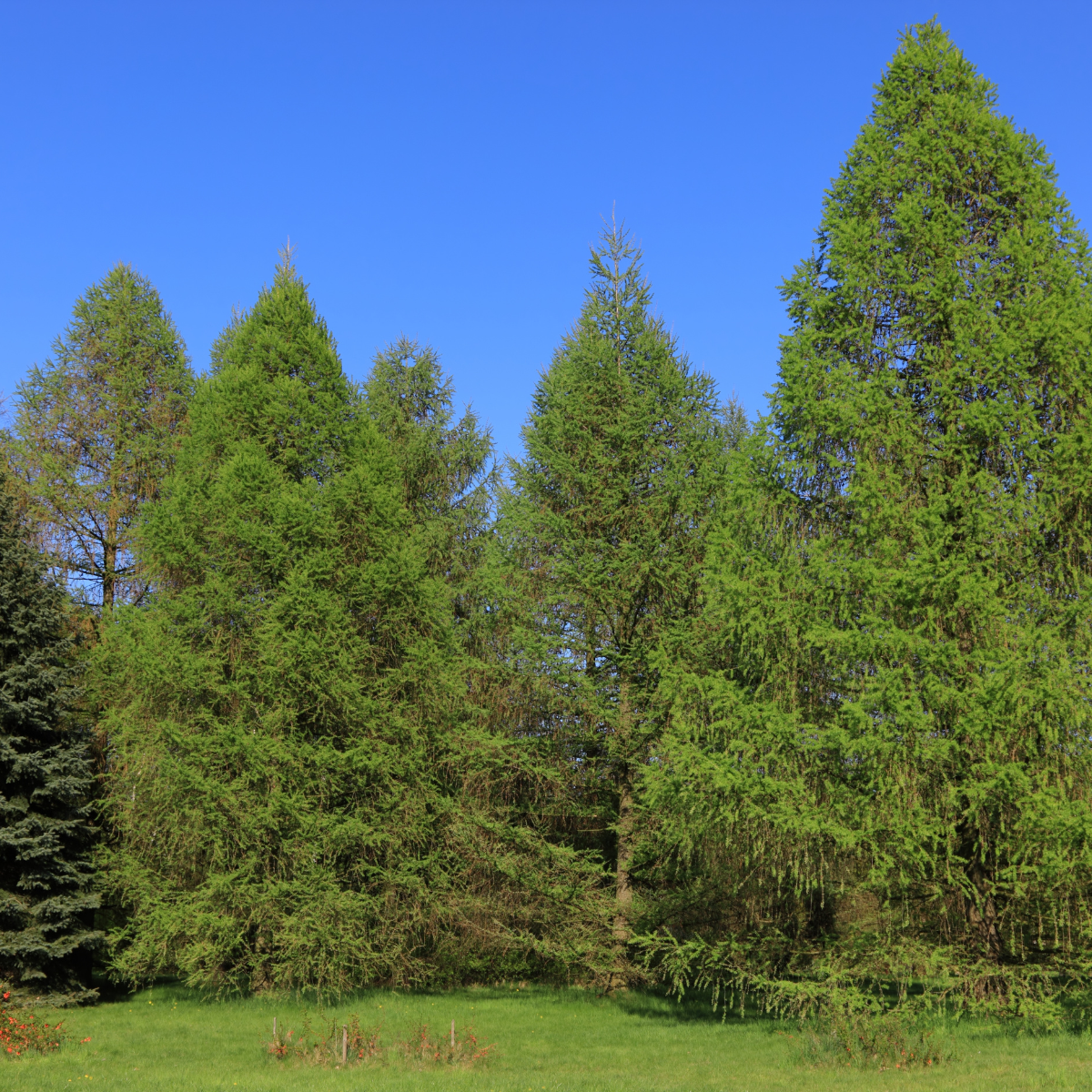
Fluffy, soft green conifer trees with a gentle, full-bodied appearance
Conifers and UK Regulations
Tall conifers in gardens or near boundaries can:
Overshadow neighbouring properties.
Cause disputes between neighbours.
Fall under local council guidelines or restrictions.
The High Hedge Law in the UK (Part 8 of the Anti-Social Behaviour Act 2003) gives local councils powers to intervene where evergreen or semi-evergreen hedges are causing problems. Specifically, a “high hedge” is defined as a line of two or more trees or shrubs that are over 2 metres in height and form a barrier to light or access. If a neighbour believes such a hedge is adversely affecting their reasonable enjoyment of their property, for example, blocking daylight or outlook, they can make a formal complaint to the local authority
Councils can issue enforcement notices requiring the hedge to be reduced and maintained at a manageable height.
For this reason, many homeowners now choose slower-growing or dwarf conifer varieties for hedging, to avoid long-term disputes and costly remedial works. A conifer that looks modest when planted can easily reach 10–15 metres or more within a couple of decades.
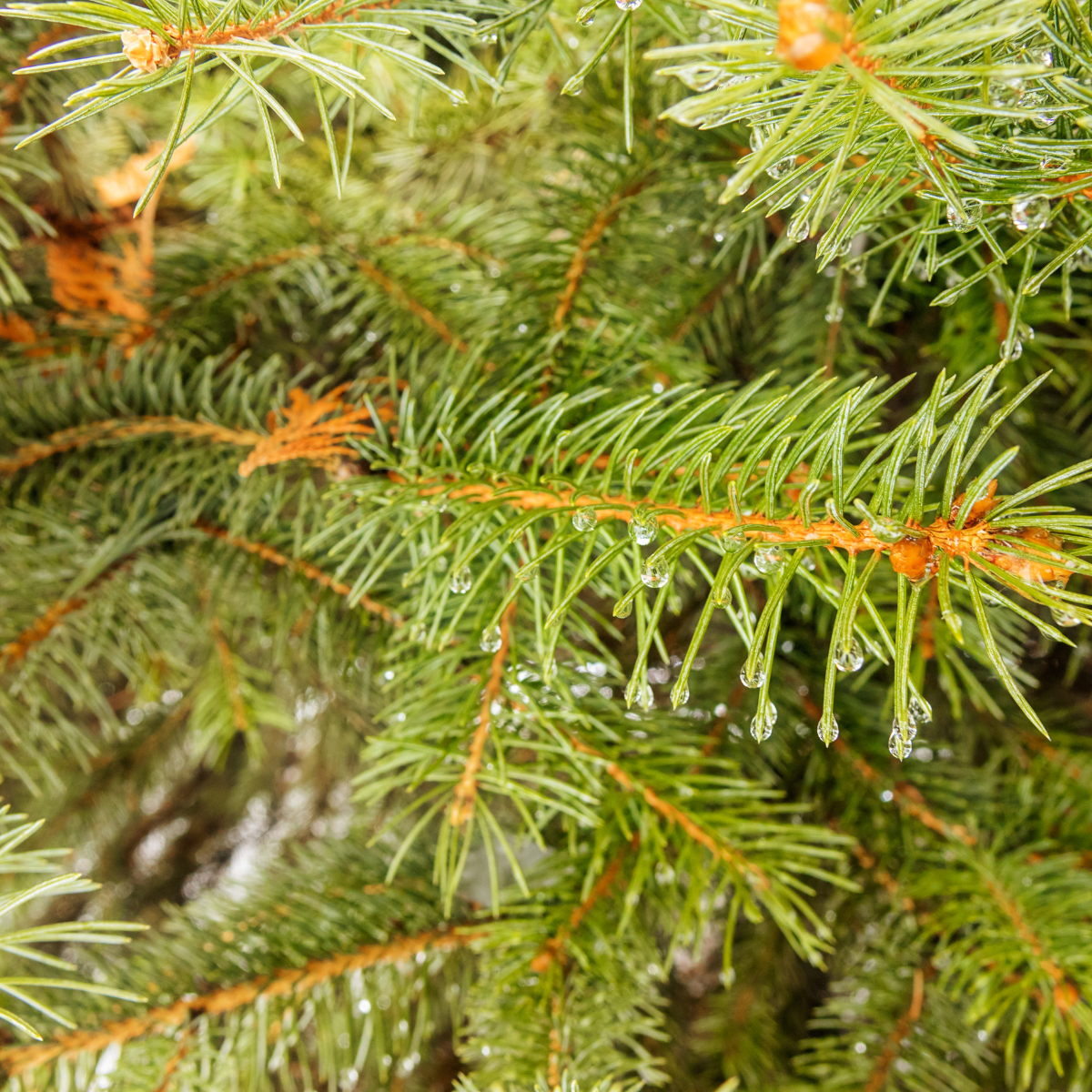
Conifer pine needles up close, glistening and dripping with fresh water.
Factors That Influence Conifer Height
Species genetics – Some conifers are naturally compact, while others are forest giants.
Soil quality and drainage – Healthy soil supports taller growth. Poor drainage can stunt development.
Light and climate – Conifers thrive in full sun; shaded or exposed sites may alter growth rates.
Maintenance – Regular trimming and pruning can limit height, while unmanaged trees reach their full potential.
Age – Many conifers grow slowly but steadily; full height can take decades.
Practical Guidance for Planting and Managing Conifers
Choose species wisely – Opt for slower-growing or dwarf varieties for hedges.
Plan for soil and space – Allow adequate root space and distance from boundaries.
Maintain regularly – Trim, thin, or top trees before they become too tall or dense.
Consider alternatives – Smaller ornamental trees or shrubs may be easier to manage in limited spaces.
Think long-term – Consider where your trees will be in 10, 20, or even 40 years.
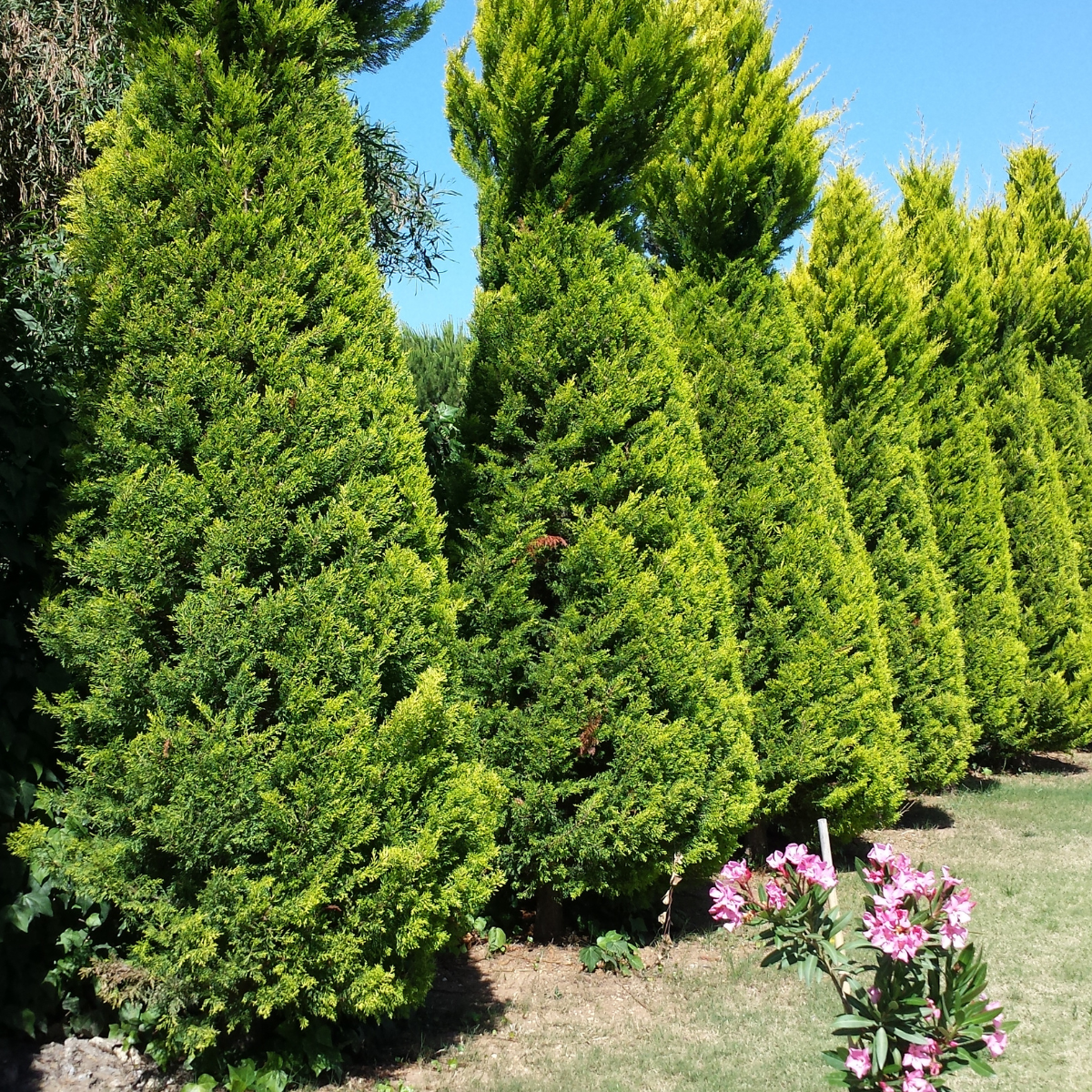
Conifer trees basking in the bright sun
How Beechwood Can Help
At Beechwood Trees & Landscapes Ltd, we don’t just plant and prune, we provide specialist advice and management support to help you make the right decisions for your property:
Guidance on species selection and long-term suitability.
Professional hedge and tree management to keep growth under control.
Advice on compliance with the High Hedge Law and local council requirements.
Risk assessments and safe working practices for larger conifers.
Ongoing maintenance plans to ensure your trees remain an asset, not a liability.
Conifers offer excellent benefits for UK gardens and landscapes, evergreen privacy, windbreaks, and aesthetic appeal. But with their impressive growth potential comes responsibility.
By choosing the right species, planning carefully, and maintaining consistently, you can enjoy decades of beauty and protection without future headaches.
Beechwood Trees and Landscapes Ltd is here to support you with expert advice, practical management, and compliance guidance, ensuring your conifers remain a positive feature of your landscape.
